

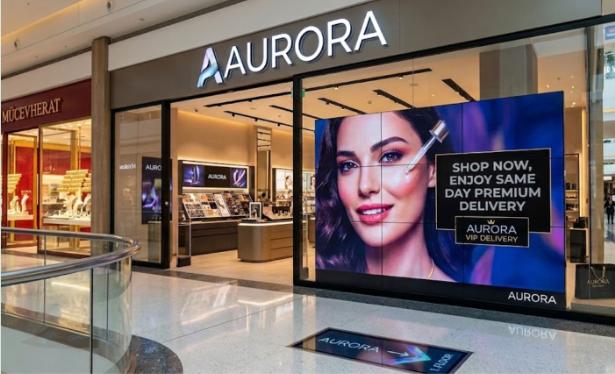
You will notice that things are different today if you walk through Dubai, Riyadh, or Singapore. Buildings are covered in giant LED screens. Digital signs line busy streets. The screens in metro stations provide live traffic updates. It’s not all about advertising. Digital displays are now a vital part of the way modern smart cities operate. Cities use them to communicate with residents, make money through advertising, and improve the appearance of buildings. One screen at a time is building the future of urban infrastructure.
The global digital signage market was worth USD 28.8 billion in 2024. It is expected to grow to USD 45.9 billion by 2030. That kind of growth shows just how seriously cities and businesses are taking this technology.
What Is a Smart City Digital Display?
Smart city digital displays are large LED or LCD screens installed in public spaces to display information and ads, or to enhance a city’s appearance. These screens differ from printed signs in that they can be instantly updated from a central PC. In just a few minutes, a person in a control centre can update thousands of screens across an entire city.
You find these screens on building walls, at bus stops, inside airports, along highways, and near shopping areas. In a true smart city, all these screens are connected. They can pull in live data like weather, traffic, or breaking news and update automatically.
Why Cities Are Switching From Printed Signs
Printed signs can only show one message. A digital screen can display dozens of messages every day. A city can use the same screen to run a health campaign in the morning, show a traffic warning at noon, and display a cultural event poster in the evening.
Cities with these screen networks react more quickly when something goes wrong. In an emergency, all screens in a district can display the same message. This kind of speed would be impossible to achieve with printed signs.
Why the Middle East Is Leading the Way
The Middle East is the only region that has built more large-scale digital display infrastructure than any other. By 2030, the smart display market in the Middle East is expected to reach USD 2.59 billion. Saudi Arabia, the UAE, and Qatar spend billions to build cities where technology is used in every aspect of everyday life.
Saudi Arabia is working on NEOM, a new, massive city in which digital screens and smart infrastructure are built in from the beginning. The same concept is used in other large projects, such as Qiddiya or Red Sea Global. Saudi Arabia has the fastest-growing digital signage market worldwide and is expected to reach USD 1.14 billion by 2030.
Dubai Lights Up Around the Clock
Dubai is one of the world’s most screen-intensive cities. The Burj Khalifa has a massive LED system that is visible from miles away. Large digital screens are displayed 24 hours a day along Sheikh Zayed Road. They show ads, city information, weather updates, and other news.
Dubai’s Smart City program connects screens with IoT sensors located around the city. These sensors monitor traffic flow and air pollution. The screens display updated information based on what the sensors detect in real time.
Qatar Is Building Smart From the Ground Up
Msheireb Downtown Doha, the first smart and sustainable city district built in Qatar, is the first to be fully constructed. The building combines digital display technology and energy-saving design.
Qatar’s Digital Agenda 2030 identifies public display infrastructure as one of its goals. Smart City Expo Doha, taking place in November 2025 at the Doha Convention Centre, will bring together global leaders to discuss how AI and digital screens shape the future of Middle Eastern Cities.
LED Building Facades: When a Wall Becomes a Screen
An LED facade is a system in which programmable light panels are attached to the outside of a building, so the entire surface can display video, colours, or patterns. Instead of a plain glass or concrete wall, the building becomes a giant screen that changes throughout the day.
This is now a standard feature in premium buildings across the Gulf region. Developers in Riyadh, Abu Dhabi, and Doha include LED facades in their plans just as they include elevators or parking. It is expected, not optional.
Modern LED panels let sunlight through during the day, so the building still looks normal. At night, the panels come alive with full colour content. These panels can handle temperatures above 50 degrees Celsius, which is especially important in the Gulf. New LED technology also uses up to 70 per cent less power than older models at the same brightness level.
Companies like UNIFYLED help cities and developers plan and install these large LED systems. They handle everything from choosing the right panels to setting up the software that manages the content. Their work helps clients build display systems that last for many years without becoming outdated.
How Digital Screens Make Money for Cities
Digital screens in public spaces are not just tools for sharing information. They are also a way for cities to earn money. When a city owns a network of screens in busy areas, it can sell advertising space on those screens to brands. This turns public infrastructure into a source of regular income.
Transport for London earns hundreds of millions of pounds every year from digital advertising on its screen network alone. Cities in Riyadh, Abu Dhabi, and Doha are building the same kind of system into their smart city plans right now.
Real-Time Ads That React to the World Around Them
Modern city screens support a system called programmatic advertising. Brands can purchase ad space on screens in real time, automatically, based on current conditions. Coffee brands can advertise the moment temperatures drop. Food delivery apps can promote a special offer when restaurants in the area are busy at lunchtime.
In Shanghai, the city installed 5G-powered LED screens at bus stops that display live transit times, weather, and ads simultaneously. That project cut passenger wait-time complaints by 20 per cent and tripled the number of people engaging with the on-screen ads.
Outdoor digital screens are growing at 8.9 per cent per year. Transit displays are growing even faster at 9.3 per cent per year through 2030. Both numbers show that this type of advertising is becoming more popular, not less.
Screens as Public Service Tools
Beyond ads and architecture, digital displays serve a very practical role in daily city life. Governments use them to share important information with large groups of people quickly and clearly.
Singapore and Abu Dhabi both rank among the top smart cities in the world. One big reason is that both cities have built wide networks of public screens that connect to live city data. During a public emergency or major event, those screens can broadcast the same message across the entire city in seconds.
Wayfinding screens at airports, train stations, and busy intersections help visitors find their way without asking for help. These screens update automatically when routes change or trains run late. They reduce confusion and save time for millions of people every year.
Conclusion: Three Things to Remember
Digital screens are not extras in a modern city. They are part of the basic infrastructure, just like roads and water pipes.
First, screens generate real income. Cities that invest in public display networks can earn advertising revenue, increase nearby property values, and attract more business investment.
Second, the Middle East is setting the standard. What is being built in Dubai, Riyadh, and Doha today will be copied by cities around the world over the next decade.
Third, your technology partner matters. A supplier like UNIFYLED brings hardware, software, and smart-city knowledge together in one place. That kind of full-service support is what separates a display network that lasts from one that breaks down.
If you are planning a smart city display project, start by thinking about what the screen needs to do in ten years, not just today. That long-term thinking is what builds cities worth living in.