

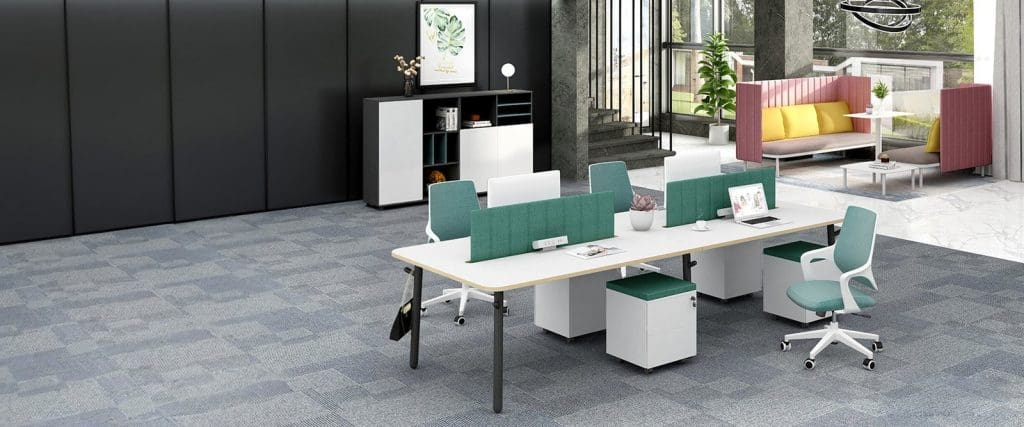
In the symphony of a productive workday, the desk is the conductor’s podium. It is the grounding element where chaotic ideas are organized into actionable plans, where strategies are forged, and where the tangible work of business gets done. Yet, too often, it is treated as a mere surface a slab of wood or metal chosen for its price tag rather than its potential. The truth is, the furniture we surround ourselves with acts as a silent partner in our productivity. A cluttered, uncomfortable, or poorly designed workspace can drain energy faster than a difficult meeting. Conversely, a thoughtfully curated environment can elevate focus and inspire innovation. This is the philosophy driving industry leaders like the Meet&Co who understand that a desk is never just a desk; it is a vessel for human potential.
The Meet&Co Story: Innovating Office Life
To understand the evolution of the modern workspace, one must look at the companies driving its transformation. Founded in 2007 in Guangzhou, Meet&Co has grown from a regional manufacturer into a global workforce solution provider with a presence in Singapore, the Philippines, and beyond. Their rapid ascent is not accidental; it is rooted in a mission to “Make Office Life Innovated.”
Unlike manufacturers who simply churn out mass-produced units, Meet&Co approaches furniture with a human-centric philosophy. They recognize that the needs of a creative agency in Manila differ vastly from a financial firm in Mumbai. Their value proposition lies in this adaptability—blending manufacturing prowess with a deep understanding of workplace psychology. They prioritize “Win-Win” relationships and integrity, ensuring that their designs foster collaboration and well-being. By integrating smart technology and sustainable materials, they have positioned themselves not just as a supplier, but as a strategic partner for over 100,000 enterprise customers worldwide.
Defining the Workspace: The Role of the Desk
The desk is the anchor of the individual workspace. It defines the user’s personal territory within the office ecosystem. Psychologically, it represents a boundary between the “work mode” and the “rest mode.” When you sit down, your brain should instinctively switch gears. However, this cognitive switch is easily disrupted by physical discomfort or functional inadequacy.
This is why selecting the right office desk furniture is a critical investment in your team’s cognitive performance. A desk that wobbles, lacks surface area, or sits at the wrong height creates micro-frustrations that accumulate throughout the day, leading to cognitive fatigue. The goal is to choose pieces that disappear into the background of the workflow—furniture so functional and comfortable that the user effectively forgets it is there, leaving them free to focus entirely on the task at hand.
Ergonomics: The Science of Comfort and Productivity
The era of the “one-size-fits-all” desk is over. The most significant advancement in desk design over the last decade has been the widespread adoption of ergonomic principles. Ergonomics is not just a buzzword; it is the science of fitting the task to the human body.
Static sitting is now recognized as a major health risk, often compared to smoking in its long-term detrimental effects. This has given rise to the popularity of height-adjustable or “sit-stand” desks. These desks allow users to transition between sitting and standing positions, promoting blood circulation and reducing the strain on the lower back. But ergonomics goes beyond standing. It involves the depth of the desk (to ensure monitors are at arm’s length), the edge profile (to prevent wrist strain), and the legroom (to allow for shifting posture). A truly focus-friendly desk supports the body in a neutral position, minimizing physical stress so mental energy can be maximized.
Aesthetics and Atmosphere: The Rise of Modern Design
The visual language of an office speaks volumes about its culture. Heavy, dark mahogany desks once signaled stability and hierarchy, but today they often feel oppressive and dated. The contemporary workforce leans toward lighter, airier, and more adaptable designs that reflect agility and openness.
Current trends favor clean lines, neutral palettes, and minimalist profiles that reduce visual clutter. This shift is not merely stylistic; it is functional. A visually chaotic environment can lead to a cluttered mind. By incorporating modern furniture with sleek silhouettes and integrated technology, businesses can create an atmosphere of calm efficiency. This aesthetic agility allows companies to express their brand identity—whether it’s the raw, industrial look of a tech startup or the sophisticated, warm wood tones of a boutique law firm—without sacrificing the essential utility required for high-level work.
Material World: Durability Meets Style
The material of a desk dictates both its longevity and its tactile experience. When choosing the “foundation of focus,” the surface material is a key variable.
- High-Pressure Laminate (HPL): The workhorse of the corporate world. HPL is incredibly durable, resistant to scratches and stains, and comes in a nearly infinite variety of colors and wood grains. It is cost-effective and practical for high-traffic areas.
- Solid Wood and Veneer: For executive offices or boardrooms, nothing beats the warmth and gravity of real wood. It ages beautifully and adds a touch of prestige, though it requires more care to prevent water rings or scratches.
- Metal and Glass: These materials define the modern industrial aesthetic. Tempered glass tops create a sense of space in smaller offices, while steel frames ensure the desk can support heavy equipment like multiple monitor setups or desktop towers without bowing.
Functionality First: Storage and Organization Solutions
A clean desk is a sign of a structured mind, but maintaining that cleanliness requires tools. The best desk designs integrate storage seamlessly. The “foundation of focus” crumbles if the surface is buried under piles of unfiled paperwork.
Modern desks are increasingly moving away from bulky, built-in pedestals in favor of modular storage. Mobile pedestals that can be rolled under the desk or used as extra seating are popular. Furthermore, cable management is a non-negotiable feature in the digital age. Desks with built-in grommets, cable trays, and spinal cord managers keep the spaghetti of wires hidden, reducing visual noise and preventing accidental unplugging. The best desks act as a docking station for work, organizing not just the paper, but the technology that drives modern business.
The Shape of Success: Selecting the Right Desk Configuration
The shape of the desk dictates the flow of work and interaction.
- Rectangular/Straight Desks: The classic choice. They are space-efficient and perfect for rows or “bench” style seating in open-plan offices.
- L-Shaped Desks: The multitasker’s dream. These utilize corner space effectively and provide two distinct zones—one for computer work and one for paperwork or meetings.
- U-Shaped Desks: The command center. Typically reserved for executives, these offer the maximum amount of surface area and storage, enveloping the user in their work.
- 120-Degree Desks: A modern twist, these “dog-bone” shapes allow for organic, collaborative clusters that break the monotony of grid-like office layouts.
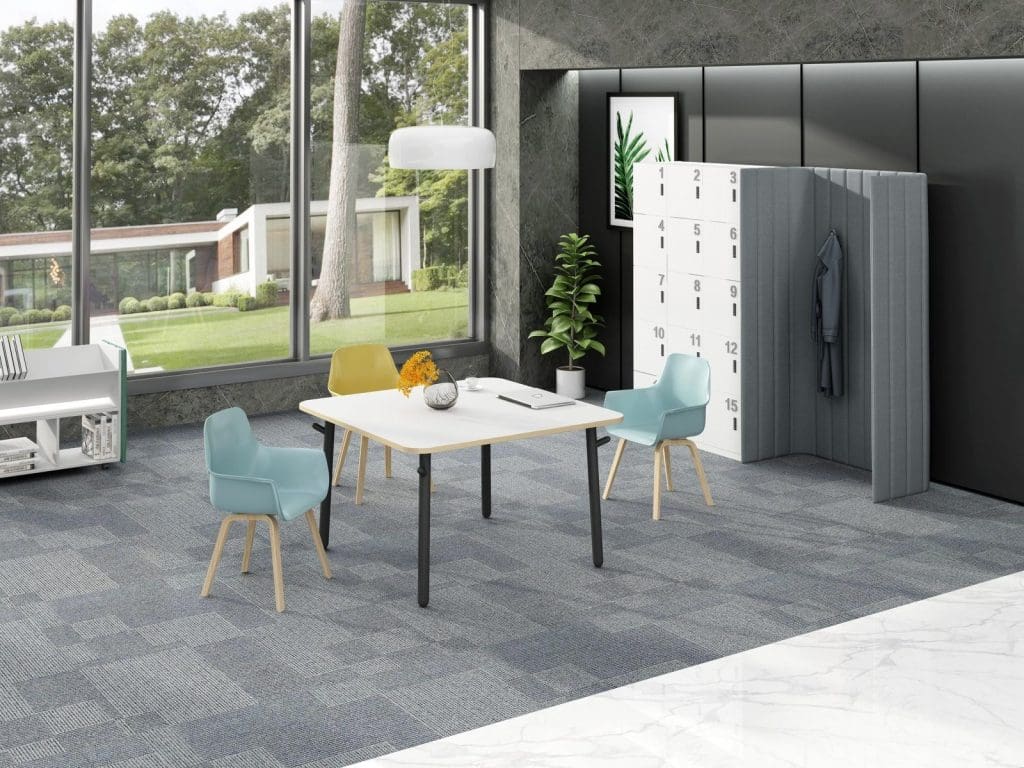
Future-Proofing Your Office: Smart Desks and Sustainability
As we look to the future, the desk is becoming “smarter” and greener. We are seeing the integration of IoT (Internet of Things) sensors that can track desk usage, helping facility managers optimize real estate. Some desks now feature built-in wireless charging pads and occupancy sensors that remind users to stand up or take a break.
Simultaneously, sustainability has moved from a “nice-to-have” to a “must-have.” Leading manufacturers are using recycled materials, low-VOC finishes to improve indoor air quality, and designing for disassembly so that parts can be replaced rather than discarding the whole unit. Future-proofing your office means selecting desks that are durable, adaptable to new technology, and kind to the planet.
Conclusion
The desk is the stage upon which the drama of business is enacted. It is where problems are solved, deals are closed, and visions are realized. Choosing the right desk is not a trivial administrative task; it is a strategic design decision that impacts the health, happiness, and output of your workforce. By considering factors like ergonomics, material durability, and the adaptability offered by brands like Meet&Co, you lay a solid foundation for focus. In a world of constant distraction, providing your team with a sanctuary of structured, comfortable, and beautiful workspace is perhaps the ultimate competitive advantage.
