
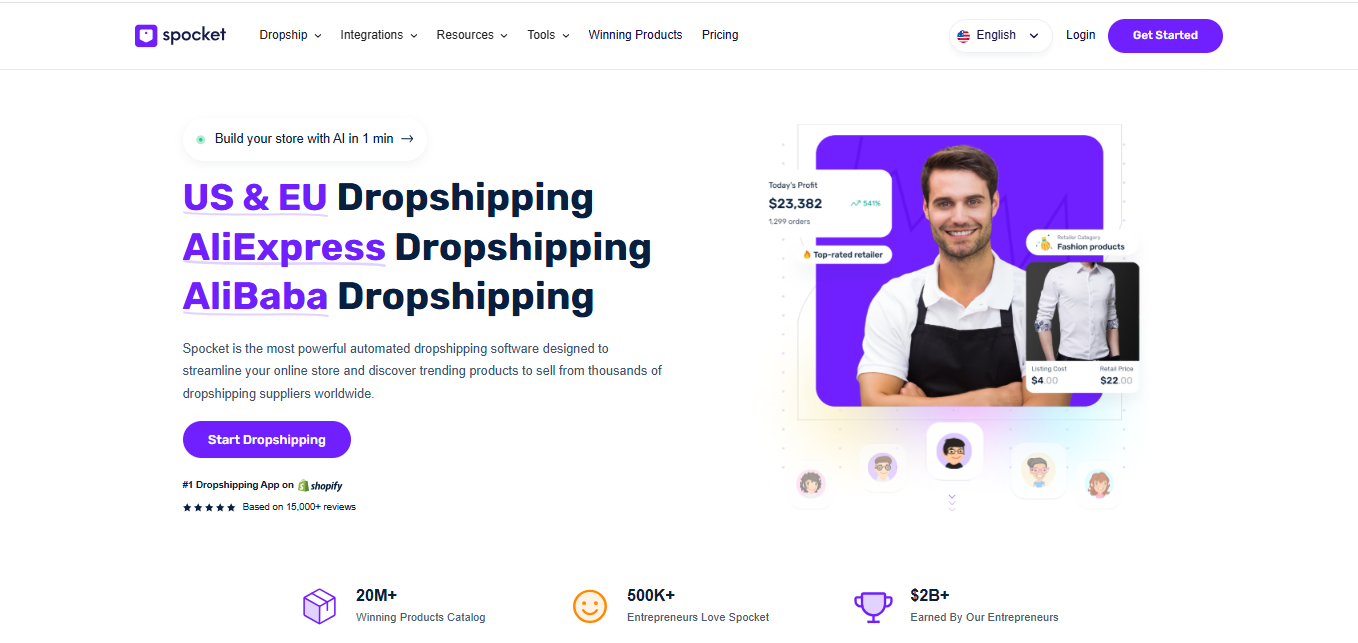
For those entering the world of e-commerce, dropshipping offers a flexible business model with minimal upfront costs. However, managing a competitive operation can quickly become challenging without the proper tools. This is where specialized dropshipping software steps in, streamlining workflows and unlocking automation that transforms everyday operations for modern online retailers.
What defines dropshipping software?
Dropshipping software is much more than a basic online store manager. It serves as an integrated solution designed to handle every key aspect of an online retail business, where products are sourced directly from suppliers and shipped straight to customers. By reducing manual tasks and offering tools tailored specifically for e-commerce entrepreneurs, these platforms place a strong emphasis on supplier integration and process centralization—covering everything from product research to order processing and auto fulfillment.
Given the unique requirements of dropshipping, such solutions help retailers discover trending items, keep inventory management seamless, and ensure orders flow smoothly. The days when spreadsheets or manual supplier messaging were necessary are rapidly disappearing, thanks to the evolution of automated dropshipping software that removes repetitive tasks and increases efficiency.
Core features that power successful dropshipping automation
The rise of dropshipping automation has fundamentally changed how businesses operate. Today’s leading systems include numerous features designed to connect directly with suppliers, efficiently process customer orders, and maintain accurate stock levels—all while minimizing human intervention. Each capability contributes to greater accuracy and productivity throughout daily routines.
Choosing the right platform involves understanding which core features distinguish the best dropshipping software. Retailers seeking scalability and reliability will find value in platforms that go beyond simple inventory tracking, providing advanced tools for growth.
Inventory management and supplier integration
Inventory management sits at the core of any robust dropshipping system. Advanced tools synchronize inventory across multiple sales channels, preventing overselling and missed opportunities. With real-time updates, shop owners gain confidence that displayed stock levels align with actual supplier availability.
Supplier integration is equally essential. Direct connections to trusted suppliers allow for automatic catalog imports, making product sourcing faster and less error-prone. Reliable integrations mean stores always have access to up-to-date products and pricing, staying agile as markets shift.
Order management and auto fulfillment
Streamlined order management accelerates the journey from purchase to delivery. Dropshipping platforms track every order from placement through shipment, sending alerts if issues arise or if supplier action is needed. Features like batch processing, automated status notifications, and internal transparency enhance the buyer experience and make operations smoother.
The concept of auto fulfillment further advances automation. Instead of manually updating each order or entering shipping details, modern systems automatically send orders to suppliers who manage fulfillment and often provide tracking information instantly. This not only saves time but also reduces errors, supporting effortless scaling during peak periods.
How do free and paid software options compare?
Deciding between free and paid dropshipping software depends on several factors, including budget and long-term business goals. Free versions tend to attract newcomers with straightforward setups, limited product imports, and basic support. While ideal for initial experimentation, these options may become restrictive as order volumes increase or operational needs grow.
Paid solutions, by contrast, unlock advanced features that enable sustained growth. Enhanced automation, richer product research capabilities, customizable analytics dashboards, and expanded platform comparison options are all part of premium offerings. Subscription tiers typically scale with order volume or catalog size, making them accessible as a business develops.
- Free software often limits the number of products or monthly orders that can be managed.
- Paid platforms introduce advanced automation, comprehensive reporting, and priority support.
- Free trials are standard, providing an opportunity to evaluate before committing.
Ultimately, the best choice aligns with the strategic vision and anticipated workload. Businesses managing multiple stores, integrating several suppliers, or aiming for personalized experiences usually transition to feature-rich premium platforms over time.
Product sourcing and research: finding the best sellers
Succeeding in a crowded marketplace requires constant attention to trends and profitable niches. Leading dropshipping software includes built-in product research tools that help identify high-demand items with optimal margins or untapped audiences. These solutions simplify analysis so retailers can make informed decisions and confidently enter new markets.
Premium platforms offer advanced search filters, keyword trend insights, and market performance estimates—removing guesswork from product sourcing. Store owners monitor global sales patterns and react swiftly to shifts, ensuring catalogs remain fresh and appealing to customers.
- Integrated research modules highlight trending or bestselling products within seconds.
- Automated competitor analysis delivers valuable context for dynamic pricing strategies.
With technology handling routine updates and listing generation, entrepreneurs enjoy more freedom to focus on branding and customer service while their software maintains a competitive product selection.
Platform comparison: how to select the right dropshipping software?
Finding the ideal dropshipping software begins with aligning business objectives with the strengths of available platforms. A thorough platform comparison weighs factors ranging from pricing and onboarding simplicity to the level of automation offered. Exploring trial versions and gathering user feedback helps narrow choices efficiently.
Retailers looking for powerful, scalable solutions should examine inventory management, automation features, multi-channel integrations, and overall usability. The best fit combines affordability, comprehensive functionality, and responsive support—ensuring smooth scaling as needs evolve.
- Prioritize platforms with robust supplier integrations and dependable customer support.
- Compare feature sets focused on automation, analytics, and scalability potential.
- Check user reviews and communities to gauge ongoing satisfaction and frequency of updates.
Making a thoughtful decision early can prevent future bottlenecks and streamline expansion into new product categories or regions as order volumes grow.
