

In the world of high-performance metallurgy, heat treatment is far more than a simple heating and cooling cycle; it is the definitive process that dictates a component’s ultimate strength and operational lifespan. Whether you are hardening tool steels or annealing aerospace alloys, the environment inside the furnace is often hostile. This is where Stainless Steel Foil steps in as a critical protective medium, shielding high-value parts from oxidation, decarburization, and surface contamination.
From vacuum furnaces to sintering lines, this ultra-thin material ensures that “what goes in” comes out with its surface integrity intact. In this guide, we dive into why Stainless Steel Foil is the secret weapon for thermal processing professionals worldwide.
Understanding the Role of Foil in Thermal Processing Shutterstock
Stainless steel foil is a precision-engineered material, typically measured in microns, produced through rigorous cold-rolling stages. According to metallurgical standards (and detailed on Wikipedia), the minimum 10.5% chromium content is what gives this foil its “passive layer.” This microscopic shield remains stable even as temperatures climb toward 1,000°C, providing a reliable barrier against the atmospheric gases that cause scaling and soot.
Why Heat Treatment Professionals Demand Stainless Steel Foil
- Oxidation Prevention: By tight-wrapping components, you create a localized “micro-atmosphere” that prevents oxygen from reaching the metal surface, eliminating the need for aggressive post-process cleaning.
- Thermal Integrity: Unlike lower-grade wraps, stainless steel strip and foil products do not become brittle or melt during standard hardening cycles.
- Chemical Neutrality: It does not “outgas” or release volatile compounds, making it ideal for the pristine environments required in stainless steel coils for hydrogen energy systems.
- Surface Finish Retention: Parts wrapped in foil often emerge from the furnace with a “bright” finish, saving hours of manual polishing and grinding.
Critical Applications Across Industries
1. Protective Tool & Die Wrapping
For tool makers, stainless steel foil for heat treatment is an industry standard. It acts as a sacrificial barrier during the “soak” time, ensuring that the carbon content on the surface of the tool steel remains consistent (preventing decarburization).
2. Vacuum and Brazing Shielding
In high-tech brazing, foil is used to prevent parts from inadvertently bonding to the furnace hearth or to each other. Its precision thickness allows for even heat distribution, which is vital for the stainless steel foil market in the electronics and medical device sectors.
3. Aerospace and Automotive Stress Relieving
Advanced components, such as those discussed in stainless steel strip for automotive manufacturing, often require stress-relief cycles after machining. Foil shielding ensures these parts maintain tight dimensional tolerances without surface degradation.
Selecting the Right Grade for the Furnace
| Grade | Thermal Limit (Approx.) | Best For |
| 304 | 870°C | General-purpose wrapping, hardening tool steels. |
| 316 | 925°C | High-corrosion environments, medical implants. |
| 309/310 | 1,000°C+ | Extreme temperature cycles and prolonged soaking. |
For many high-volume operations, sourcing these materials from a reliable stainless steel coil supplier is the only way to guarantee the chemistry and thickness tolerances required for certified aerospace or medical work.
From Raw Material to Precision Foil
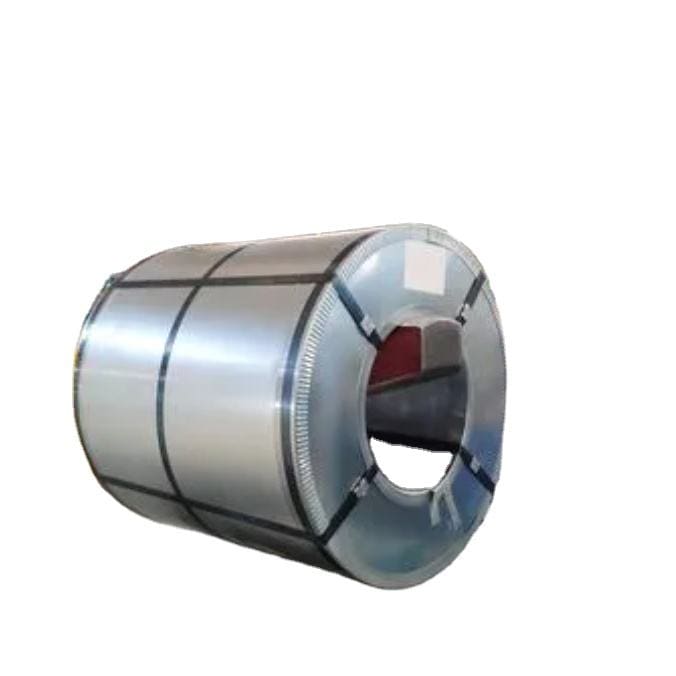
The journey of a stainless steel coil into an ultra-thin foil involves:
- Multiple Cold-Reduction Passes: Gradually thinning the metal to the desired gauge.
- Bright Annealing: Restoring flexibility so the foil can be tightly wrapped around complex geometries without tearing.
- Slitting and Degreasing: Ensuring the stainless steel foil is free of oils that could flash-off and contaminate the furnace.
Summary
Stainless steel foil is the unsung hero of the thermal processing industry. It provides a cost-effective, high-performance solution for protecting the surface chemistry and physical beauty of metal components. By choosing the correct grade and thickness, manufacturers can significantly reduce scrap rates and improve the overall throughput of their heat treatment department.
To explore our full range of thermal processing materials, visit Stainless Steel Foil or contact us for technical assistance on your specific furnace requirements.