
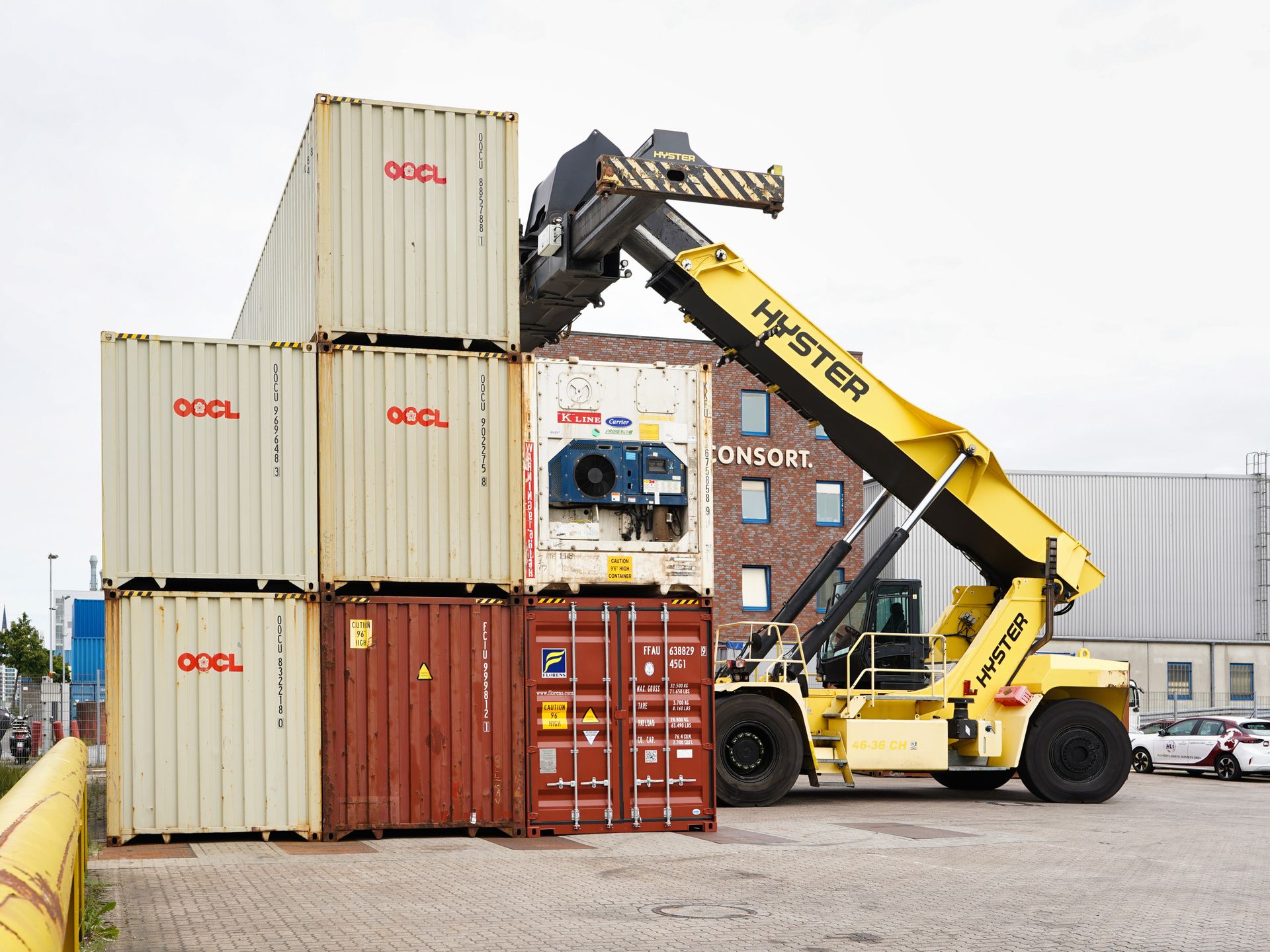
Selecting the right reefer container maintenance partner in Singapore isn’t just about fixing breakdowns—it’s about protecting millions in perishable cargo before spoilage happens. With our unique position as a global transshipment hub and high humidity levels, a proactive maintenance strategy is essential. A repair that works for an empty container might be useless—or catastrophic—for a fully loaded 40ft reefer bound for Europe.
This practical guide walks you through common reefer failures, pre-trip inspection (PTI) best practices, and when to call professionals for servicing of the reefer container.
Background: Why “Break-Fix” Maintenance Fails Your Cold Chain
Many logistics managers wait for a temperature alarm before acting, only to discover the root cause—like a faulty reefer socket or slow refrigerant leak—has been destroying cargo value for days. The three biggest mistakes are ignoring pre-trip protocols, underestimating port-side turnaround delays, and treating all refrigerated container repairs as equal when compressor vs. insulation failures require completely different responses.
Here is your component-by-component roadmap.
Component #1: The Reefer Socket (Power = Everything)
Your container is only as reliable as its power connection. A corroded, loose, or arcing socket can shut down an entire unit within hours.
Common Failure Signs: Intermittent power loss, burnt smell near plug, or alarms indicating “high supply impedance.”
Maintenance Rule: Inspect socket pins for pitting and spring tension before every dispatch. For terminal-side operations, schedule quarterly thermal imaging of all active plugs.
Pro Tip: A professional servicing of reefer container should include socket contact resistance testing—not just visual inspection. AML provides fast terminal-side plug-in maintenance across Singapore ports to prevent exactly this failure.
Component #2: The Refrigeration Unit (Compressor & Controls)
The compressor is the heart of your reefer container. When it fails, cargo temperature rises within hours—not days.
Common Failure Signs: Unusual vibration, longer pull-down times, frequent cycling, or error codes on the controller display.
Maintenance Rule: Log pre-trip (PTI) results, including high/low pressure readings, superheat, and subcooling. Any drift from baseline warrants immediate investigation.
Pro Tip: Don’t wait for a full breakdown. Many repair container specialists can replace control boards or valve assemblies on-site, avoiding costly depot-to-depot transfers. Stock OEM-grade machinery parts for Carrier, Thermo King, Daikin, and Mitsubishi to minimize wait times.
Component #3: The Insulation & Door Seals (Hidden Spoilage)
A perfectly running compressor cannot overcome breached insulation or worn door gaskets—warm air infiltrates, condensation forms, and cargo temperature gradients appear.
Common Failure Signs: Frost lines on exterior panels, water pooling inside, or temperature sensors showing inconsistent readings across the container floor.
Maintenance Rule: Perform quarterly door seal compression tests using a dollar bill test (close bill in seal; resistance should be firm across entire perimeter). For insulation, schedule annual thermographic scanning.
Pro Tip: Gasket replacement is inexpensive compared to cargo claims. Order spare seals ahead of peak shipping seasons.
Component #4: The Data Logger & Remote Monitoring (Your Early Warning)
Even a mechanically perfect reefer container is vulnerable if you don’t see problems coming. Wireless monitoring transforms maintenance from reactive to predictive.
Key Feature: Real-time temperature, humidity, and GPS location alerts sent to your phone or email. Set custom thresholds—receive an alert the moment a parameter drifts.
Pro Tip: For high-value pharma or perishable shipments, require your rental partner to provide a wireless remote monitoring for container system as standard. AML’s system sends instant alerts before spoilage occurs, not after.
A Cost Comparison: Repair vs. Replacement
Before you authorize major repairs, ask yourself these five questions:
| Factor | Repair (Servicing of Reefer Container) | Full Replacement |
|---|---|---|
| Compressor failure (major) | 3,000–8,000 | 12,000–25,000 (new unit) |
| Control board failure | 800–2,000 | Same as above |
| Insulation repair | 1,500–4,000 | Same as above |
| Door seal replacement | 200–600 | N/A (repair only) |
| Reefer socket repair | 150–400 | N/A (repair only) |
| Downtime (days lost) | 1–5 days (if parts in stock) | 7–14 days (procurement + delivery) |
The Verdict: Minor to moderate repairs are almost always cost-effective. For units over 10 years old with compressor failure, replacement may be the better long-term investment.
Checklist of Questions to Ask Before Hiring a Repair Partner
Before you call a service provider, ask these five questions:
- Do you stock OEM-grade reefer machinery parts locally, or will I wait weeks for imports?
- Can you perform on-site (terminal or depot) repairs, or must containers be towed to your workshop?
- What is your average response time for emergency reefer socket failures at Tuas or Pasir Panjang?
- Do you offer wireless remote monitoring for container systems as a service or rental add-on?
- What warranties do you provide on repair work and replacement parts?
Conclusion: Build a Resilient Cold Chain
Choosing the right reefer container maintenance partner doesn’t have to be guesswork. Match inspection frequency to cargo value, prioritize power-side components (reefer sockets), and invest in remote monitoring for early warning. For ageing units, a cost-benefit analysis between repair and replacement saves money long-term.
Ready to protect your perishable cargo with fast, reliable, and professional servicing? Contact AML Singapore for reefersocket repairs, OEM machinery parts, and 24/7 cold chain support.