
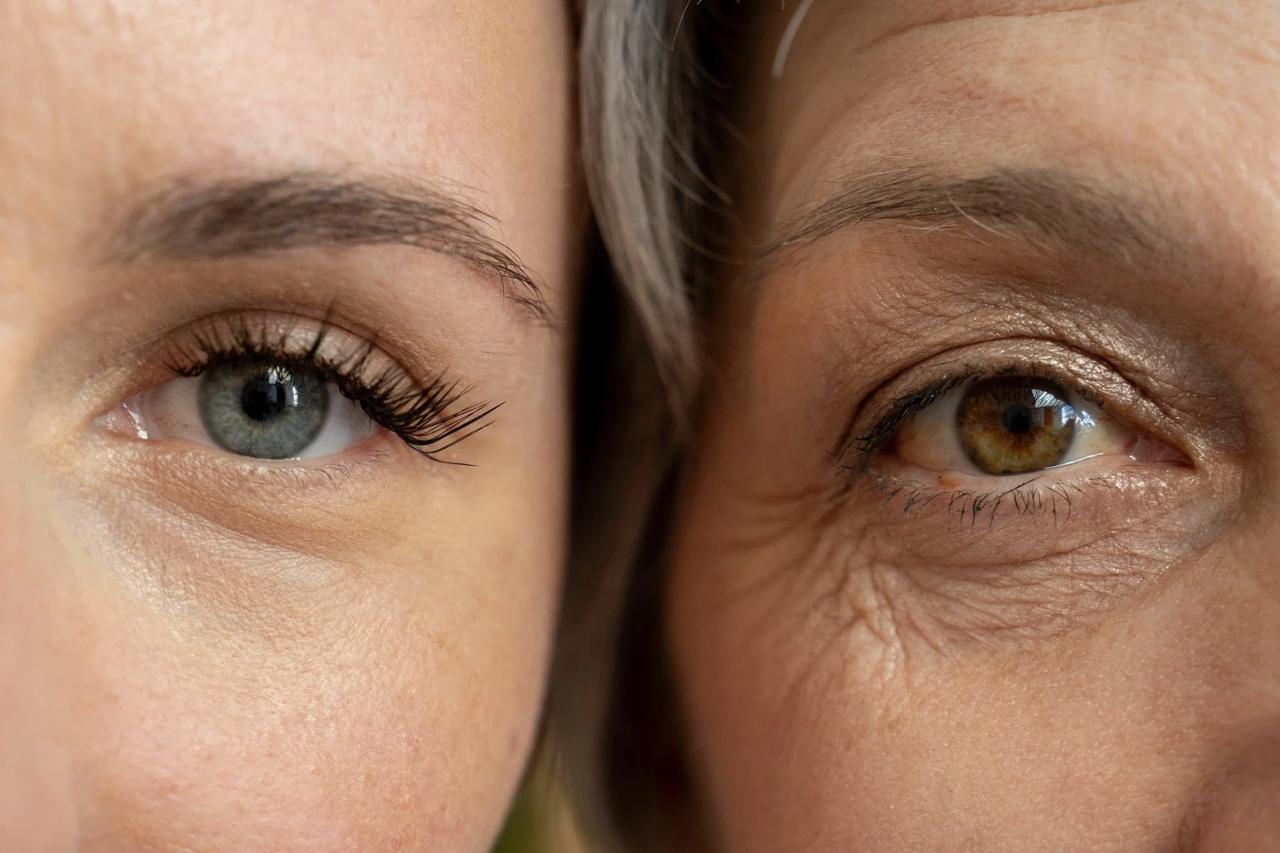
Most people define their age by the number on their birth certificate. But in modern medicine and longevity science, there is a far more meaningful measure — biological age. Understanding the difference between biological age and chronological age could be the most important step you take toward a longer, healthier life.
What Is Chronological Age?
Chronological age is simply how long you have been alive — the number of years since your date of birth. It is fixed, universal, and entirely beyond your control. Two people born on the same day share the same chronological age, yet their health, vitality, and physical condition can differ dramatically. This is where chronological age falls short as a true measure of health.
What Is Biological Age?
Biological age refers to how old your body actually is at the cellular and molecular level. It reflects the cumulative impact of your lifestyle, environment, stress, nutrition, sleep, and genetics on your body’s internal systems. Unlike chronological age, biological age can be measured, managed, and even reversed.
Scientists measure biological age through several biomarkers, including:
- Telomere length — the protective caps on chromosomes that shorten with age and cellular stress
- DNA methylation patterns — epigenetic changes that reflect how genes are expressed over time
- Inflammatory markers — elevated inflammation is a key driver of accelerated aging
- Gut microbiome composition — a diverse, healthy microbiome is strongly associated with slower biological aging
Why the Gap Between the Two Matters
Research consistently shows that biological age is a far stronger predictor of disease risk, cognitive decline, and mortality than chronological age. A 45-year-old with poor lifestyle habits may have the biological profile of a 60-year-old, while a disciplined 60-year-old may biologically function more like someone in their mid-40s.
The good news? The gap between your biological and chronological age is not fixed. It responds directly to the choices you make every day — what you eat, how you sleep, how you manage stress, and whether you take a proactive approach to your health.
Key Factors That Accelerate Biological Aging
- Chronic stress and elevated cortisol levels
- Poor sleep quality and disrupted circadian rhythms
- Processed food diets high in sugar and refined carbohydrates
- Sedentary lifestyle and lack of physical activity
- Gut dysbiosis — an imbalanced microbiome
- Environmental toxin exposure and inadequate detoxification
How to Reduce Your Biological Age
Reducing biological age is not about quick fixes — it requires a sustained, holistic approach that addresses the root causes of cellular aging. The most evidence-backed strategies include therapeutic nutrition, targeted physical activity, stress regulation, microbiome restoration, and regular diagnostic monitoring.
Medical wellness programs at specialized longevity clinics have emerged as one of the most effective ways to address biological aging comprehensively. These programs combine advanced diagnostics with personalized treatment plans, going far beyond generic health advice.
For those seeking a structured, science-based approach to longevity, facilities like https://revita-clinic.eu/ offer specialized programs designed to activate the body’s natural repair mechanisms, restore balance at the cellular level, and help individuals genuinely reverse markers of biological aging.
The Takeaway
Your chronological age tells the world when you were born. Your biological age tells the truth about how well you have lived. The distance between the two is not inevitable — it is manageable. By understanding what drives biological aging and taking deliberate steps to address it, you can reclaim vitality, reduce disease risk, and live not just longer, but better.
The science of longevity is no longer a niche pursuit. It is becoming one of the most important areas of modern medicine — and the sooner you engage with it, the greater your advantage.
