
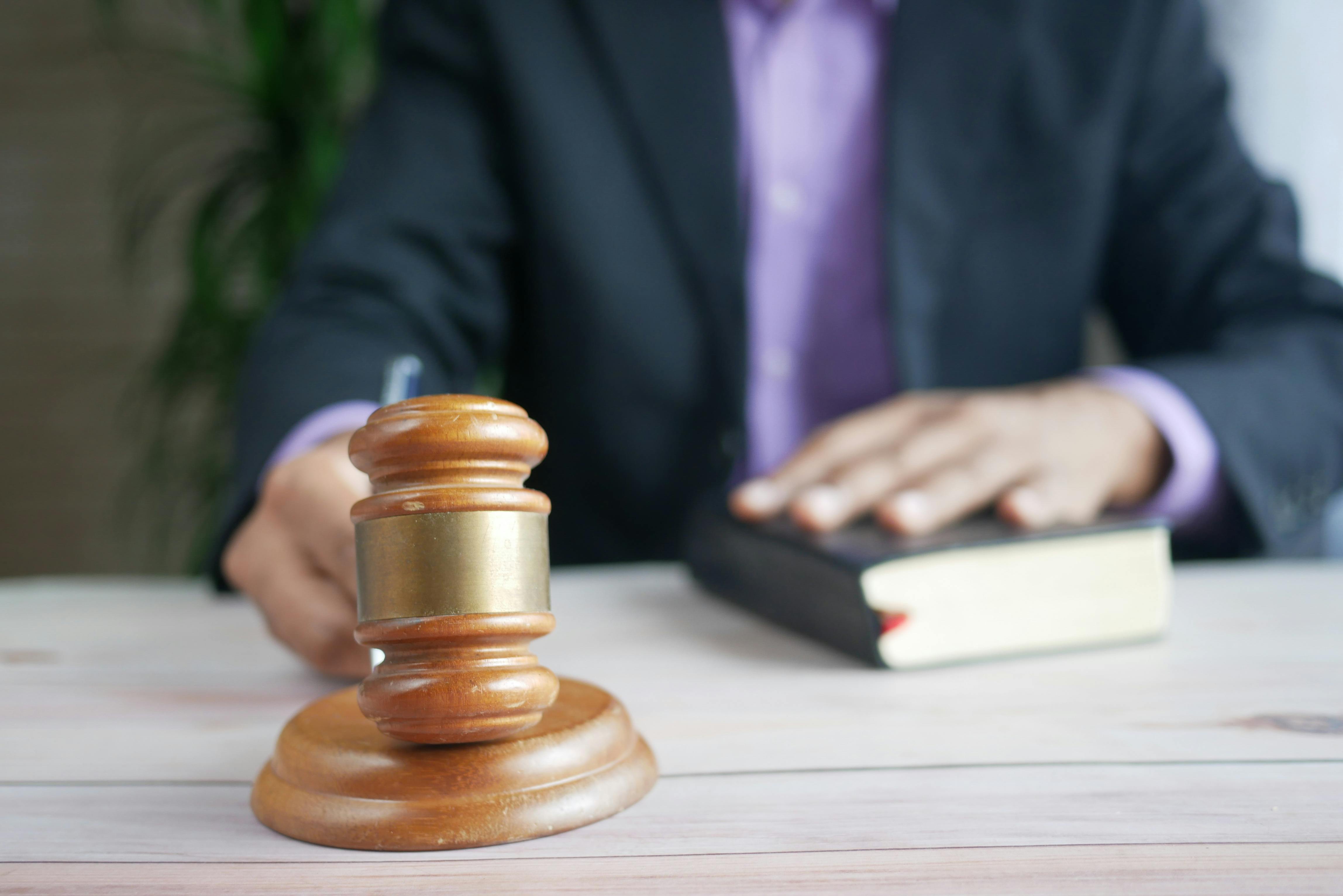
Understanding how the court system is structured is the starting point for anyone who needs to navigate a legal dispute, whether as a plaintiff, a defendant, a witness, or someone seeking to enforce an existing right. The structure of the courts, how cases move through the system, and what the practical experience of litigation involves are things people rarely know until they need to know them urgently.
This guide provides a practical overview of how court systems are typically organized, what types of matters are handled at each level, and what to expect if you are involved in a court proceeding.
At vehicules-incendie.com you will find a legal magazine covering the court system, laws and legislation, legal proceedings, and practical guidance for anyone involved in legal matters.
The Structure of the Court System
Court systems in most countries are organized hierarchically, with lower courts handling the majority of cases and higher courts serving as courts of appeal and handling the most serious matters. Understanding which court handles which type of case determines where to file and what procedural rules apply.
Trial courts are where most cases begin and where evidence is heard. They may be divided by subject matter (civil courts, criminal courts, family courts) or by the value or severity of the matter (small claims courts for lower-value disputes, trial courts of general jurisdiction for more substantial matters).
Courts of appeal review decisions of the trial courts when a party believes that an error of law or procedure affected the outcome. Appellate courts generally do not re-hear evidence but review the trial court record and consider whether the law was correctly applied.
Courts of justice serve as institutions established by law to adjudicate disputes and administer justice according to applicable laws. The highest court in a legal system (whether called a Supreme Court, Court of Final Appeal, or another name) typically has the final word on questions of law and sets binding precedent for all lower courts.
Civil Courts: Resolving Private Disputes
Civil courts handle disputes between private parties: individuals, companies, and organizations. Civil matters include contract disputes, property claims, personal injury and negligence cases, debt recovery, employment claims, and family law matters.
Small claims procedures exist in most court systems for lower-value civil disputes. These procedures are simplified, faster, and less expensive than full civil proceedings. Legal representation may not be required or permitted, making these courts accessible to individuals without legal training.
Courts of general civil jurisdiction handle more substantial claims. These courts follow formal procedural rules: the parties exchange written pleadings, disclose relevant documents, examine witnesses at trial, and the judge issues a written judgment explaining the decision.
The standard of proof in civil cases is the balance of probabilities (sometimes called preponderance of the evidence): the claimant must show that their version of events is more likely than not to be correct. This is a lower standard than the criminal standard of proof beyond reasonable doubt.
Criminal Courts: Prosecuting Offenses
Criminal courts handle cases in which the state prosecutes an individual or organization for violating criminal law. The criminal process begins with investigation, followed by a decision by the prosecution authority whether to charge the accused.
If charges are filed, the accused appears in court, is informed of the charges, and enters a plea. A guilty plea results in sentencing. A not guilty plea leads to trial, where the prosecution presents its case, the defense responds, and the court determines guilt or innocence.
The standard of proof in criminal cases is proof beyond reasonable doubt, a substantially higher standard than in civil cases. This reflects the serious consequences of criminal conviction: loss of liberty, permanent criminal record, and social stigma.
Sentencing follows conviction. The range of available sentences depends on the offense and the sentencing guidelines applicable in the jurisdiction. Options typically include fines, community service, suspended sentences, and imprisonment. Factors including the accused’s history, the circumstances of the offense, and expressions of remorse affect the sentence within the available range.
Specialized Courts and Tribunals
Beyond the general civil and criminal courts, most legal systems include specialized courts or tribunals with jurisdiction over specific subject matter areas. Common examples include family courts (dealing with divorce, custody, and adoption), employment or labor tribunals (handling workplace disputes), tax courts, immigration tribunals, and administrative courts (reviewing decisions of government authorities).
Specialized courts typically have expedited procedures suited to their subject matter and judges or tribunal members with specific expertise in the relevant area. Cases involving family matters, employment rights, or challenges to government decisions are usually better handled in the specialized forum than in the general civil courts.
How a Case Proceeds: From Filing to Judgment
A civil case begins when the claimant files a claim with the appropriate court. The claim is served on the defendant, who files a defense. After the initial pleadings, the court schedules preliminary hearings to clarify the issues and encourage settlement. Many cases settle before trial.
If the case proceeds to trial, both parties present their evidence, examine and cross-examine witnesses, and make legal submissions. The judge evaluates all of this and issues a judgment.
A criminal case begins with charging and arraignment. Pre-trial hearings address procedural matters and may include applications to suppress evidence obtained improperly. The trial itself follows, after which the court issues a verdict. Sentencing, if the verdict is guilty, takes place in a subsequent hearing.
Appeals from both civil and criminal decisions follow defined procedures and grounds. Not every case has an automatic right of appeal: in some court systems, permission must be obtained, and permission is granted only where the case raises a genuine point of legal significance or where there is a real prospect of a different outcome.