
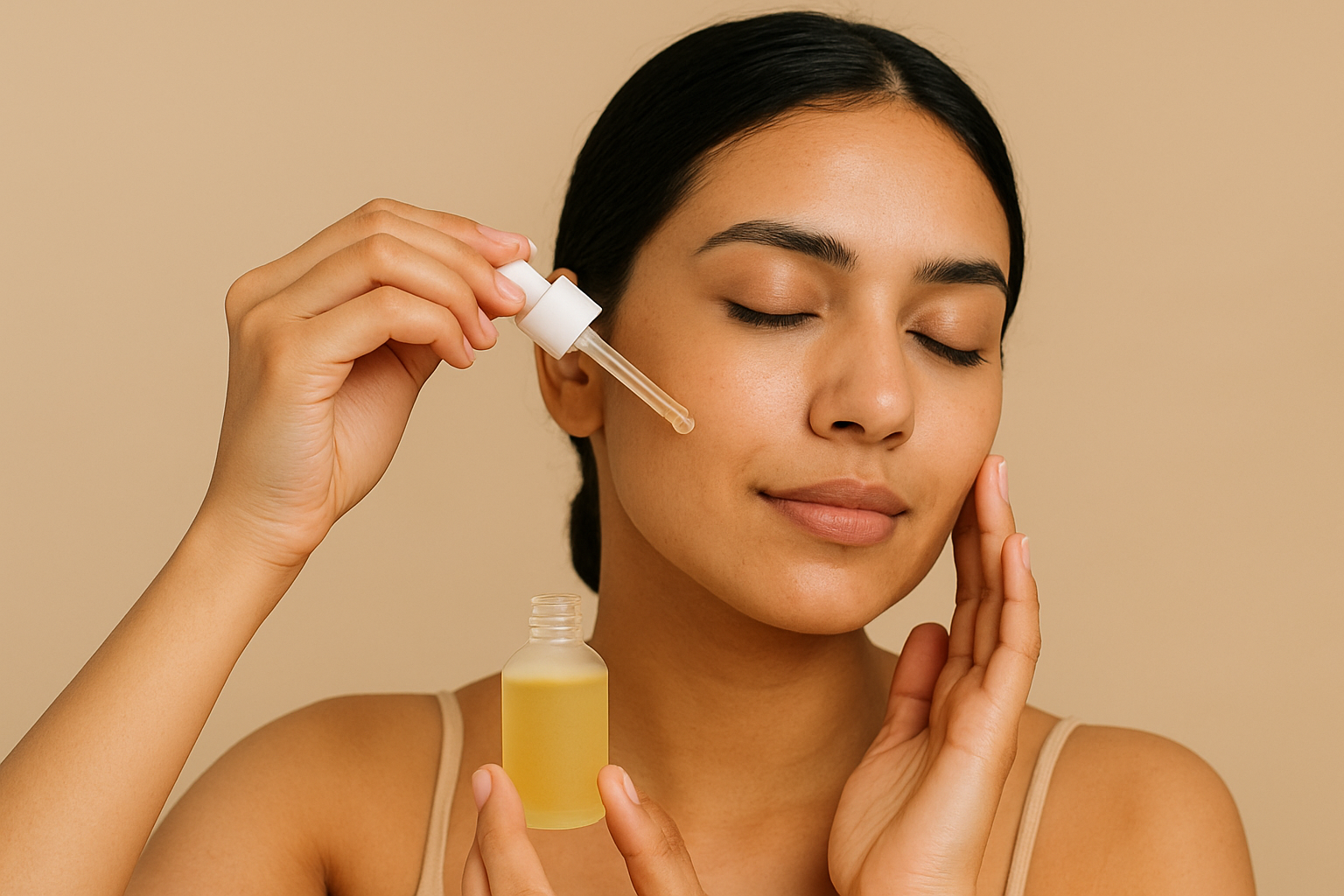
Serums have become one of the most potent skincare steps for treating acne, pigmentation, and dullness. Their lightweight textures and high concentration of active ingredients make them essential for anyone looking to improve their complexion. If you struggle with breakouts, dark spots, uneven tone, or lack of glow, a well-structured serum routine can transform your skin.
This complete guide explains how to layer serums correctly, the best types of serums for acne and pigmentation, and how to build a simple yet effective routine for glowing skin.
Why Serums Matter for Acne and Pigmentation
Serums penetrate deeper into the skin compared to regular creams. They target specific skin concerns such as:
- Pigmentation and dark spots
- Acne and redness
- Dullness and lack of glow
- Uneven texture
- Wrinkles and fine lines
- Dehydration
Using the right serum routine helps repair the skin barrier, reduce breakouts, fade spots, and brighten the complexion.
Best Serum Ingredients for Clear, Even and Glowing Skin
Different serums deliver different results. Here are the most effective ingredients for acne-prone and pigmented skin.
Niacinamide Serum: Controls Oil and Reduces Pigmentation
Niacinamide serum is one of the best products for glowing skin and controlling excess oil. It helps tighten pores, fade dark spots, and reduce acne scars. It’s gentle, suitable for all skin types, and especially helpful for people with oily skin or recurring breakouts.
Vitamin C Serum: The Best for Brightening and Glow
Vitamin C serum is one of the top face serums for dullness and pigmentation. It fades dark spots, boosts collagen, and creates a natural radiance. Many people also prefer organic vitamin C serums or organic face serums because they are gentle and rich in antioxidants.
When used consistently, vitamin C serum improves uneven tone and gives a long-lasting glow.
AHA/BHA Serums: Perfect for Acne and Texture
AHA/BHA peeling solutions or gentle exfoliating serums work well for clogged pores, blackheads, and textured skin. AHA targets the top layer while BHA penetrates deep into pores, making it one of the best solutions for acne-prone skin. However, these should be used only 1–2 times a week.
Bakuchiol Serum: A Natural Anti-Aging Alternative
Bakuchiol serum is becoming popular because it provides anti-aging benefits similar to retinol but without irritation. It helps with wrinkles, fine lines, and pigmentation. People who prefer natural or organic skincare products often choose a bakuchiol serum in Pakistan for its gentle nature.
Hyaluronic Acid and Peptide Serums: Hydration + Barrier Repair
Hydrating serums, such as hyaluronic acid or peptide serums, keep the skin plump, glowing, and moisturized. These are important even for oily skin, as dehydrated skin produces more oil, which can lead to breakouts. Peptide serums also support skin repair and smooth the complexion.
How to Layer Serums Correctly (Morning & Night Routine)
Using serums in the correct order ensures maximum results. Here is a simple dermatologist-approved layering guide.
Morning Serum Routine for Acne, Pigmentation and Glow
- Gentle Cleanser
Prepares the skin for serum absorption. A good skin cleanser keeps pores clean.
- Hydrating Toner
Helps serums spread easily and improves absorption.
- Niacinamide Serum
Best for oil control, minimizing pores, fading dark spots, and preventing breakouts.
- Vitamin C Serum
Brightens the skin and offers antioxidant protection throughout the day.
- Moisturizer
Choose the best moisturizer for dry skin or an oil-free moisturiser, depending on your skin type.
- Sunscreen
Mandatory for preventing pigmentation, dark spots, and acne marks from worsening.
This routine improves glow, reduces oil, and protects from environmental damage.
Night Serum Routine for Repair and Pigmentation Treatment
- Face Wash
- A good face wash removes dust, sweat, and sunscreen.
- Toner
Helps prep the skin for treatment serums.
- AHA/BHA Serum (2–3 nights per week)
Clears pores, reduces acne, and improves texture.
- Bakuchiol Serum (Alternate Nights)
Helps reduce wrinkles, improve pigmentation, and support skin repair.
- Niacinamide Serum (Daily)
Calms inflammation, reduces redness, and helps treat acne scars.
- Hydrating Serum
Hyaluronic acid or a peptide serum helps maintain glow and elasticity.
- Moisturizer
Choose the best skin moisturizer for dry skin or a lightweight option for oily skin.
This routine repairs damage, fades pigmentation, and helps achieve healthy, glowing skin.
Best Serum Routine for Acne
Acne-prone skin needs ingredients that unclog pores and control oil without irritating.
The ideal serum routine includes:
- Niacinamide
- BHA exfoliating serum
- Peptide serum
- Lightweight hydrating serum
Avoid heavy creams, oily serums, or too many layers.
Best Serum Routine for Pigmentation and Dark Spots
Pigmentation requires consistent use of brightening and exfoliating serums.
Effective serum combination:
- Vitamin C serum
- Niacinamide serum
- AHA serum
- Bakuchiol serum
- Natural glow drops like niacinamide.
Consistency is more important than using many products at once.
Serum Routine for Glowing Skin
For naturally glowing skin, focus on hydration and brightening ingredients.
Works best:
- Vitamin C
- Hyaluronic acid
- Peptides
- Niacinamide
- Best whitening serum or brightening serums
- Organic skincare products, if preferred
These ingredients improve radiance and keep skin healthy and luminous.
Tips to Use Serums Safely
- Introduce one serum at a time.
- Use sunscreen daily
- Do not mix strong exfoliating products.
- Avoid AHA/BHA with vitamin C in the same routine.
- Patch test new products
- Keep routine simple
A safe and consistent routine delivers better long-term results.
FAQs About Serums for Acne, Pigmentation & Glow
Which serum is best for acne?
Niacinamide serum and BHA serum work best for acne-prone skin.
Which serum is best for pigmentation?
Vitamin C, niacinamide, and bakuchiol serums help fade pigmentation.
How many serums can I use?
Use 2–3 serums maximum: one for treatment, one for hydration.
Can oily skin use serums?
Yes—oil-free moisturiser + lightweight serums work best.
Final Thoughts
A well-planned serum routine can improve acne, reduce pigmentation, and deliver glowing skin. Using the right serums at the right time makes a huge difference in your overall complexion. Keep your routine simple, focus on consistency, and choose products that match your skin type—whether you prefer organic skincare, natural skin care products, or the best skin care line for your concerns.