

Welding is one of those trades where the quality of your output is only as good as the quality of your inputs. You can have years of experience and a steady hand, but if you’re working with substandard welding supplies, welding wire, or welding electrodes, your joints will show it. Whether you’re a professional fabricator, a hobbyist building a custom trailer, or a contractor maintaining heavy equipment, understanding what goes into your welding setup makes a measurable difference in the final result.
Why Welding Supplies Matter More Than You Think
Every weld is a chemical and metallurgical process happening in real time. The metal you’re joining, the filler material you’re adding, and the shielding method you’re using all interact under intense heat to create a bond that’s supposed to be as strong—or stronger—than the base material itself. That means your welding supplies aren’t just accessories; they’re active participants in the process.
Cheap or mismatched supplies can lead to porosity, cracking, poor penetration, and joints that look fine on the surface but fail under stress. This is especially critical in industries like construction, automotive repair, pipeline work, and manufacturing, where a failed weld isn’t just an inconvenience—it can be a safety hazard. That’s why sourcing from a reliable supplier matters. Companies like Cobalt Industrial have built their reputation on providing consistent, quality-tested welding supplies that professionals can trust on every job, from small repairs to large-scale industrial projects.
Understanding Welding Wire
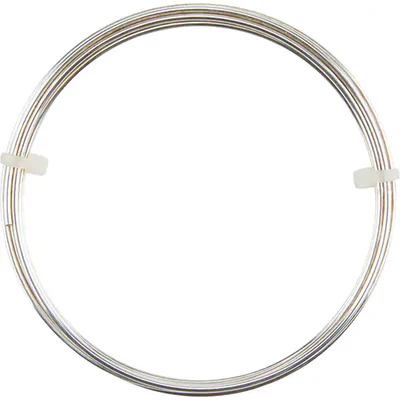
Welding wire is the filler metal used primarily in MIG (Metal Inert Gas) and flux-cored welding processes. It’s fed continuously through the welding gun, melting into the joint to create the bond. Choosing the right wire isn’t a one-size-fits-all decision—it depends on the base metal, the thickness of the material, the welding position, and the desired finish.
Solid Wire (ER70S-6, for example) is one of the most common choices for mild steel projects. It’s versatile, produces clean welds, and works well with shielding gas like a mix of argon and CO2. This type of wire is a staple in automotive bodywork, fabrication shops, and general repair work.
Flux-Cored Wire contains a core of flux that creates its own shielding gas when it burns, which makes it ideal for outdoor work or windy job sites where gas shielding might get disrupted. It also tends to offer deeper penetration, making it popular for thicker materials and structural steel work.
Aluminum Wire requires a different approach altogether. Aluminum has a lower melting point and higher thermal conductivity than steel, so the wire needs to be specifically formulated, and often a specialized feeder setup (like a spool gun) is recommended to avoid feeding issues caused by the softness of the wire.
When shopping for welding wire, diameter matters too. Thinner wires (like 0.023″ or 0.030″) work well for sheet metal and thinner gauge materials, while thicker wires (0.035″ to 0.045″) are better suited for heavier structural work. Suppliers like Cobalt Industrial typically stock a range of diameters and alloy types, which is helpful because having the wrong wire size on hand can stall a project at the worst possible moment.
The Role of Welding Electrodes
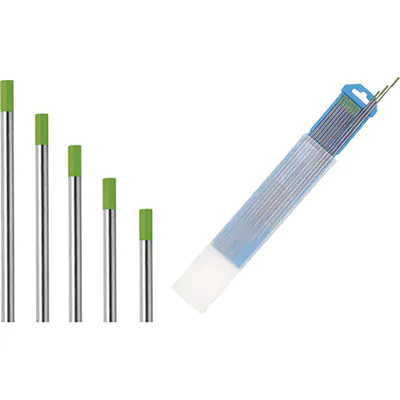
While wire feeds continuously in MIG welding, welding electrodes are the backbone of Stick welding (SMAW—Shielded Metal Arc Welding) and play a role in TIG welding as well. These electrodes are coated rods that serve a dual purpose: they act as the filler metal and, in the case of stick welding, the coating burns to produce a protective gas shield around the weld pool.
Electrode selection is often categorized by a numbering system—for example, E6010, E6011, E7018—where each number communicates something about the electrode’s tensile strength, welding position capability, and the type of current it’s compatible with (AC, DC, or both).
E6010 and E6011 electrodes are known for their deep penetration and ability to cut through rust, paint, and dirty surfaces, making them popular for pipeline work and field repairs where surface prep isn’t always ideal.
E7018 electrodes are prized for producing smooth, strong welds with low hydrogen content, which reduces the risk of cracking. These are often the go-to choice for structural steel work where weld integrity is non-negotiable.
For TIG welding, tungsten electrodes are used to create the arc, and they come in various compositions—pure tungsten, thoriated, ceriated, and lanthanated—each suited for different metals and applications.
Storage matters here too. Electrodes, especially low-hydrogen types like E7018, can absorb moisture from the air, which compromises weld quality. Keeping them in a dry rod oven or sealed container is a small step that prevents big headaches down the line.
Building a Reliable Supply Chain
For anyone running a welding operation—big or small—consistency in supply is just as important as quality. Running out of the right wire or electrode mid-project causes delays, and switching brands or specs unexpectedly can introduce variability into your welds that’s hard to troubleshoot later.
This is where working with a dedicated supplier pays off. Cobalt Industrial has positioned itself as a resource for welders who need dependable access to welding supplies, wire, and electrodes without compromising on quality or consistency. Having a trusted source means less time worrying about whether your materials will perform and more time focused on the actual craft.
Final Thoughts
Welding is equal parts science and skill, and the supplies you choose are a foundational part of that equation. Whether you’re stocking up on welding wire for a high-volume fabrication shop or sourcing electrodes for a one-off repair job, taking the time to match your materials to your application pays dividends in weld quality, safety, and efficiency. Partnering with a supplier that understands these nuances like Cobalt Industrial Supply & Services Inc. can make the difference between a frustrating project and a smooth one.