

Why UV Protection Matters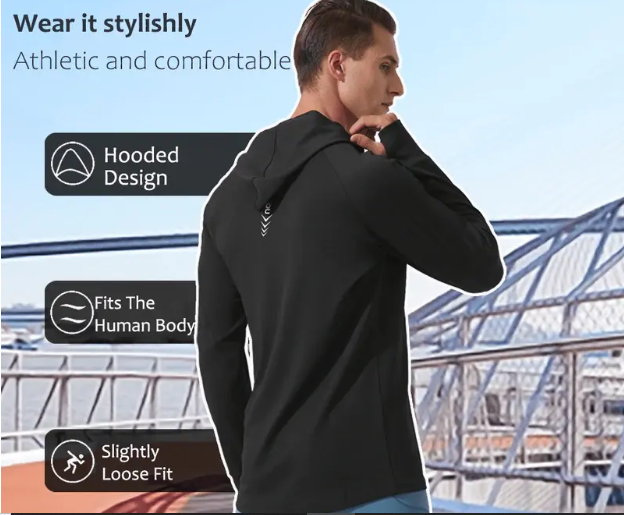
We all know the familiar routine when the sun finally decides to shine or when we pack our bags for a summer holiday. You grab a bottle of sun cream, slather it on, and hope you do not miss a spot. Yet, despite our best efforts, many of us still end up with a painful, red sunburn after a day out. There is a much simpler, highly effective solution that you might be overlooking sun protection clothing.
Before diving into the clothing itself, we must understand the invisible threat we face every time we step outside. The sun emits two main types of ultraviolet radiation that reach the earth: UVA and UVB. UVA rays penetrate deeply into the skin and are primarily responsible for premature ageing, leading to wrinkles and sunspots. UVB rays affect the superficial layers of the skin, causing sunburn. Both types contribute significantly to the development of skin cancer, which remains one of the most common cancers in the UK.
A common misconception is that you only need to worry about UV rays on a boiling hot, cloudless day on the beach. In reality, up to 80% of UV rays can pass through clouds. You can easily sustain sun damage on a breezy, overcast afternoon walking the dog in the Peak District. Protecting your skin is not just a holiday requirement; it is a daily necessity.
What is Sun Protection Clothing?
Sun protection clothing is specially designed and treated to block out harmful UV radiation. While standard clothing does offer some protection, it is often not enough. For instance, a standard white cotton t-shirt only has a UPF rating of about 5, meaning it allows one-fifth of the sun’s UV rays to pass through to your skin. If that t-shirt gets wet, the protection drops even further to around UPF 3.
UPF stands for Ultraviolet Protection Factor. It measures the amount of UV radiation that penetrates a fabric and reaches the skin. A garment with a UPF 50 rating blocks 98% of the sun’s rays. Unlike SPF (Sun Protection Factor), which only measures protection against UVB rays, UPF measures protection against both UVA and UVB rays.
Why Clothing Beats Relying Solely on Sun Cream
Sun cream is a brilliant tool, but relying on it as your sole line of defence leaves plenty of room for human error. Here is why sun protection clothing often provides a better alternative:
Consistent and Reliable Coverage
Sun cream requires a generous application to reach the SPF advertised on the bottle. Most people apply less than half the required amount. Clothing, on the other hand, provides a consistent, physical barrier. As long as you are wearing the garment, you are fully protected.
No Need to Reapply
To maintain protection, you must reapply sun cream every two hours, and immediately after swimming or heavy sweating. This is easily forgotten when you are enjoying a good book or playing sports. UPF clothing removes this hassle entirely. You put it on once, and you are protected for the entire day.
Better for Sensitive Skin and the Environment
Many chemical sun creams contain ingredients that can irritate sensitive skin and cause breakouts. Furthermore, certain UV filters in traditional sun lotions wash off in the sea and cause severe damage to coral reefs and marine life. Wearing UPF clothing minimises the amount of exposed skin, allowing you to use significantly less sun cream and reduce your environmental footprint.
Types of Sun Protection Clothing
The market for sun protection clothing has evolved dramatically. You no longer have to sacrifice style for safety. Here are the most common types of UPF-rated gear available today.
UPF-Rated Shirts and Tops
Long-sleeved UPF shirts are the backbone of any sun-safe wardrobe. They come in various styles, from casual button-downs ideal for a pub garden to moisture-wicking athletic tops perfect for hiking or running. Look for designs featuring ventilation panels under the arms or down the back to keep you cool.
Wide Brimmed Hats
Your face, ears, and neck are incredibly vulnerable to sun damage. A standard baseball cap leaves your ears and neck completely exposed. Instead, opt for a wide-brimmed hat with at least a three inch brim. Many UPF hats also feature a drape at the back for extra neck protection, which is particularly useful for gardening or hiking.
Swimwear and Rash Guards
If you are spending time in the water, standard swimwear leaves too much skin exposed to reflective UV rays bouncing off the water’s surface. Rash guards long or short-sleeved swim shirts provide excellent UPF 50+ protection. You can also find UPF-rated swim leggings and board shorts. They dry quickly and keep you safe while you swim, surf, or paddleboard.
Trousers and Leggings
Protecting your legs is just as important as protecting your upper body. UPF-rated trousers are usually made from lightweight, breathable nylon or polyester blends. They are perfect for outdoor activities where shorts might leave your legs exposed to both the sun and biting insects.
How to Choose the Right Sun Protection Clothing
With so many options on the market, selecting the right pieces can feel overwhelming. Keep these practical tips in mind when building your sun-safe wardrobe.
Check the UPF Rating
Always look for the UPF label before purchasing. Aim for a rating of UPF 30 or higher. A UPF 30 garment blocks nearly 97% of UV radiation, while UPF 50+ blocks 98% or more. Anything above UPF 50 offers excellent protection.
Consider the Fabric
The tightness of the weave is the most crucial factor in blocking UV rays. Hold the fabric up to a light; if you can see light shining through, UV rays can get through, too. Synthetic fibres like polyester and nylon inherently offer more sun protection than natural fibres like cotton or linen. Additionally, many modern UPF garments feature moisture-wicking technology to draw sweat away from your body, keeping you comfortable in the heat.
Pay Attention to Fit and Coverage
Loose-fitting clothing provides better protection than tight clothing. If a garment is stretched too tightly across your body, the fibres pull apart, allowing more UV light to penetrate the fabric. Opt for a relaxed fit. Furthermore, prioritise maximum coverage. Choose long sleeves over short sleeves, and trousers over shorts whenever the temperature allows.
Look for Durability
High quality UPF clothing retains its protective qualities wash after wash. However, fabrics will eventually wear down. Check the manufacturer’s care instructions carefully. Washing garments in cold water and avoiding the tumble dryer will significantly extend the life of your sun protection clothing.
Embrace a Sun Safe Lifestyle
Taking care of your skin does not mean hiding indoors all summer. By integrating high quality sun protection clothing into your daily routine, you can enjoy everything the outdoors has to offer with complete peace of mind.
Your next steps are simple. Take a quick inventory of your current summer wardrobe. Identify the gaps where your skin is most exposed during your favourite outdoor activities. Invest in a breathable UPF 50+ long sleeved top and a wide-brimmed hat for your next holiday or weekend walk. Reserve your sun cream for the small areas of exposed skin, like your hands and face, and let your sun protection clothing do the heavy lifting. Your skin will thank you for years to come.