
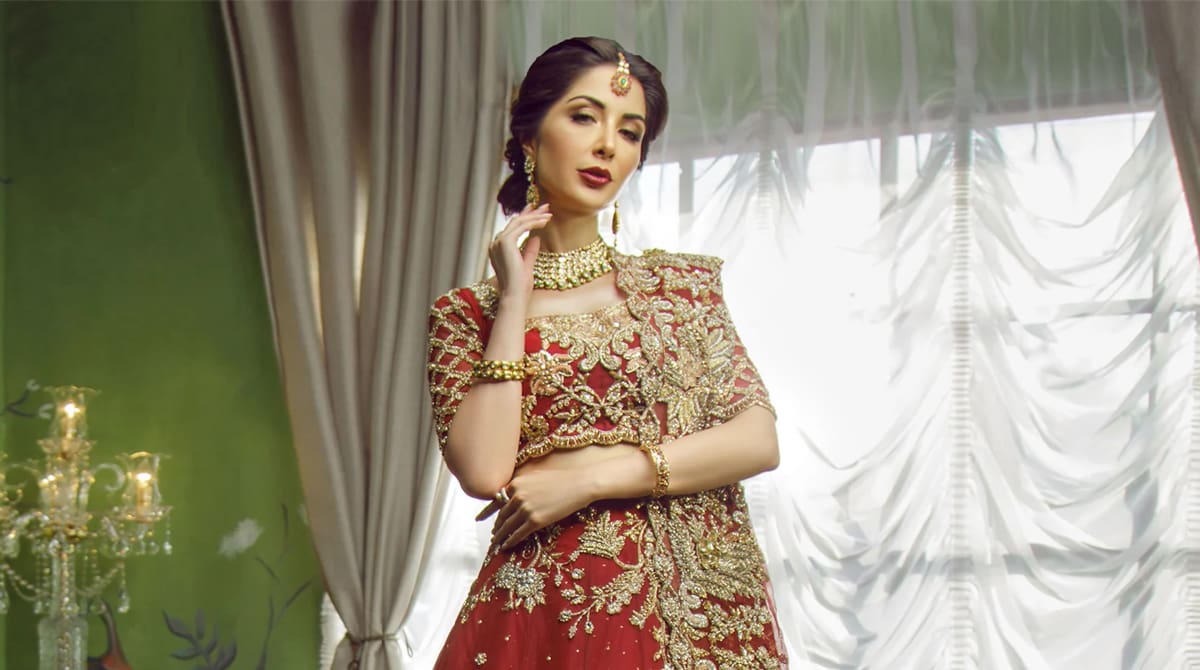
A wedding day represents one of life’s most cherished moments, and choosing the perfect attire holds profound significance in Pakistani culture. Pakistani bridal dresses embody centuries of rich heritage, artistic craftsmanship, and cultural values while embracing contemporary design sensibilities. Understanding the nuances of bridal wear helps every bride make an informed decision that reflects her personality and honors tradition.
The Cultural Significance of Wedding Attire
In Pakistani culture, bridal clothing transcends mere fashion—it represents family heritage, regional identity, and the beginning of a new chapter. Traditional bridal outfits carry deep symbolism through their colors, embroidery patterns, and embellishments. Red bridal lehenga designs have historically dominated wedding ceremonies, symbolizing prosperity and joy, though modern brides increasingly explore burgundy, maroon, and even pastel alternatives.
The bridal ensemble typically consists of multiple components working together to create a cohesive look. The main outfit, dupatta, jewelry, and accessories each play distinct roles in completing the overall appearance. This comprehensive approach to bridal styling distinguishes Pakistani wedding fashion from other traditions worldwide.
Popular Styles in Bridal Fashion
Bridal Lehenga Choli
The lehenga choli remains the most sought-after choice for wedding ceremonies. This three-piece ensemble features a voluminous skirt, fitted blouse, and flowing dupatta. Heavy bridal lehenga options showcase intricate embroidery work, zari embellishments, and stone detailing that catches light beautifully during celebrations. The skirt’s flare creates dramatic movement, making every moment photogenic.
Traditional Sharara Sets
Sharara for brides offers a regal alternative with wide-legged pants that flare from the waist down. This style provides comfort without compromising elegance, making it ideal for brides who prefer mobility during lengthy ceremonies. Embroidered sharara designs feature detailed work on both the pants and kurta, creating a balanced aesthetic.
Elegant Gharara Styles
The gharara distinguishes itself through pants that are fitted till the knee and dramatically flared below. Bridal gharara outfits represent classic Pakistani heritage and work exceptionally well for traditional ceremonies. The unique silhouette flatters various body types while maintaining cultural authenticity.
Contemporary Bridal Gowns
Modern brides increasingly favor fusion bridal gowns that blend Western silhouettes with Eastern embellishments. These designer bridal wear pieces incorporate traditional embroidery techniques like zardozi and gota work onto flowing gown structures, creating stunning hybrid designs.
Understanding Embroidery and Embellishments
The artistry of Pakistani bridal wear lies significantly in its embellishment techniques. Zardozi work involves metallic thread embroidery creating raised, textured patterns that add dimension to fabric. This labor-intensive technique requires skilled artisans and significantly influences the garment’s value.
Dabka embellishment uses thin metallic wires twisted and coiled to form elaborate patterns. When combined with sequins, pearls, and crystals, these elements create the signature sparkle associated with luxury bridal collections. Gota patti work, featuring gold or silver ribbons appliquéd onto fabric, adds traditional charm to contemporary designs.
Thread work embroidery in contrasting or matching colors creates depth and texture. From delicate floral motifs to bold geometric patterns, the embroidery style often reflects regional artistic traditions and family preferences.
Color Choices Beyond Traditional Red
While red remains iconic, today’s brides explore diverse color palettes. Maroon bridal dresses offer depth and sophistication, photographing beautifully in various lighting conditions. Gold and champagne tones create luminous effects, particularly popular for evening ceremonies.
Pastel bridal outfits in blush pink, mint green, and powder blue have gained tremendous popularity for daytime events and mehndi ceremonies. These softer shades complement various skin tones and create fresh, modern aesthetics while maintaining elegance.
Deep jewel tones like emerald, sapphire, and ruby provide rich alternatives that stand out while honoring tradition. The key lies in selecting colors that complement your complexion and photograph well under different lighting conditions.
Selecting the Right Fabric
Fabric choice dramatically impacts comfort, appearance, and overall experience. Silk bridal wear offers natural sheen and drapes beautifully, making it ideal for structured silhouettes. Pure silk withstands heavy embellishment while maintaining elegance.
Velvet bridal dresses suit winter weddings perfectly, providing warmth alongside luxury. The fabric’s pile creates depth in color and showcases embroidery magnificently. However, velvet requires careful consideration for warmer climates.
Chiffon and organza work wonderfully for dupattas and layered elements, adding ethereal quality without excessive weight. These breathable fabrics ensure comfort during extended celebrations while maintaining visual impact.
Customization and Tailoring Considerations
Custom bridal outfits allow complete personalization to match your vision perfectly. Working with experienced tailors ensures proper fit, appropriate embellishment placement, and modifications that enhance your best features. Schedule fittings well in advance, typically starting six months before the wedding date.
Communicate your preferences clearly, including neckline style, sleeve length, embroidery density, and overall silhouette. Bring reference images while remaining open to professional suggestions based on your body type and the outfit’s structure.
Budgeting for Your Dream Outfit
Pakistani bridal dresses span wide price ranges depending on fabric quality, embellishment intricacy, and designer reputation. Entry-level options start around reasonable price points, while high-end designer pieces represent significant investments. Determine your budget early and allocate funds across your complete bridal wardrobe, including ceremony outfit, reception wear, and accessories.
Remember that alterations, accessories, and preservation costs add to the initial purchase price. Quality pieces retain value and can become family heirlooms, making them worthwhile investments beyond single-use purchases.
Caring for Your Precious Outfit
Proper care ensures your bridal dress remains pristine for years. Professional dry cleaning immediately after the event prevents stains from setting. Store the outfit in breathable garment bags away from direct sunlight and moisture. Avoid plastic covers that trap humidity and damage delicate fabrics.
Periodically inspect stored garments for any signs of discoloration or fabric deterioration. Consider professional preservation services that use acid-free materials and climate-controlled storage for valuable pieces you wish to preserve long-term.
Frequently Asked Questions
Q: When should I start shopping for my bridal dress?
A: Begin your search six to eight months before the wedding to allow time for customization and fittings.
Q: What is the average cost of Pakistani bridal dresses?
A: Prices range from affordable options to luxury designer pieces, depending on fabric, embellishments, and brand.
Q: Can I wear colors other than red for my wedding?
A: Absolutely; modern brides choose maroon, gold, pastels, and jewel tones based on personal preference.
Q: How do I choose between lehenga, sharara, and gharara?
A: Consider your comfort, body type, ceremony formality, and personal style preferences when deciding.
Q: What embroidery style is most traditional?
A: Zardozi, dabka, and gota patti work represent classic Pakistani embroidery techniques for bridal wear.
Read More : timebusinessnews