

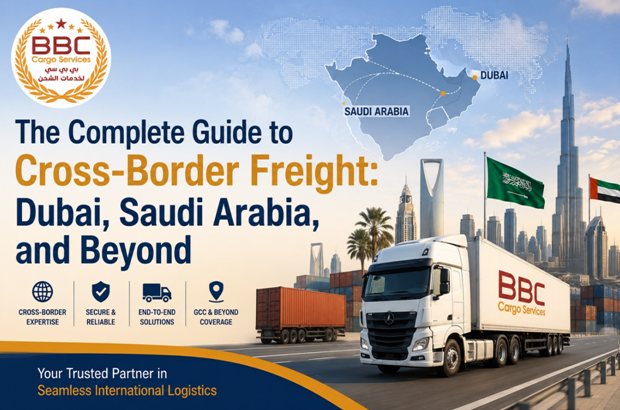
Shipping from Dubai To Saudi Arabia is one of the most active and commercially significant trade corridors in the Middle East. With billions of dirhams worth of goods moving between the UAE and the Kingdom of Saudi Arabia every year, businesses and individual shippers alike need a reliable, well-informed approach to get their cargo across the border safely, cost-effectively, and on time. This guide covers everything you need to know — from documentation and customs clearance to transit times, modes of transport, and how to extend your logistics reach even further across Eurasia.
Why the Dubai–Saudi Arabia Trade Corridor Matters
Dubai has long served as the logistics hub of the Gulf Cooperation Council (GCC). Its world-class port infrastructure at Jebel Ali, its strategically positioned free zones, and its seamless air freight connectivity make it the natural gateway for goods entering or exiting the Arabian Peninsula.
Saudi Arabia, on the other hand, is the largest economy in the Arab world and one of the fastest-growing consumer markets globally. The Kingdom’s Vision 2030 initiative has accelerated infrastructure development, industrial diversification, and import activity across sectors ranging from construction and manufacturing to consumer goods and healthcare.
This combination — Dubai as a distribution powerhouse and Saudi Arabia as a high-demand market — creates a freight corridor that is both high-volume and high-value. Whether you are shipping electronics, food products, machinery, textiles, or raw materials, the route between the two countries demands professional handling and a thorough understanding of bilateral trade regulations.
Modes of Transport: Choosing the Right Option
Road Freight
The most common method for cargo moving between Dubai and Saudi Arabia is road transport. The King Fahd Causeway connects the UAE and Saudi Arabia via Bahrain, while direct land crossings such as the Ghuwaifat border point serve as key transit gateways. Road freight is ideal for full container loads (FCL), less-than-container loads (LCL), and oversized cargo that cannot be easily air-freighted.
Transit times by road typically range from 2 to 5 business days, depending on border congestion, customs clearance efficiency, and the final delivery destination within Saudi Arabia.
Air Freight
For time-sensitive shipments, air freight offers the fastest delivery option. Dubai International Airport and Dubai World Central are among the busiest cargo airports in the world, offering frequent connections to major Saudi cities including Riyadh, Jeddah, and Dammam. Air freight typically clears within 24 to 72 hours but comes at a higher cost per kilogram and is best suited for high-value, low-weight consignments.
Sea Freight
For bulk shipments or cargo originating from or destined for port cities, sea freight via Jebel Ali Port to Saudi ports such as King Abdulaziz Port in Dammam or Jeddah Islamic Port offers a cost-effective solution. Transit times via sea are longer — typically 5 to 10 days — but the reduced freight rates make it an attractive option for large commercial shipments.
Key Documentation Requirements
Ensuring your shipment moves smoothly across the UAE-Saudi Arabia border requires careful attention to documentation. Incomplete or inaccurate paperwork is one of the leading causes of customs delays and cargo holds. The following documents are generally required:
- Commercial Invoice: Must accurately reflect the value, quantity, and description of goods.
- Packing List: Provides a detailed breakdown of the cargo by weight, dimensions, and packaging type.
- Certificate of Origin: Required to determine tariff applicability under GCC preferential trade agreements.
- Bill of Lading or Airway Bill: The primary transport document issued by the carrier.
- Import License (if applicable): Certain regulated commodities such as pharmaceuticals, chemicals, and food products require prior approval from Saudi authorities.
- Saudi Customs Declaration: Must be submitted electronically through the Saudi Customs portal.
Working with an experienced freight forwarder ensures that all documentation is prepared and verified before the shipment departs, significantly reducing the risk of delays at the border.
Customs Clearance: What to Expect
Saudi Customs operates under the General Authority of Zakat, Tax and Customs (ZATCA), and the authority has been progressively modernising its processes under the Vision 2030 framework. The Customs Duties rate for most goods imported from non-GCC countries is 5 percent, though certain product categories are subject to higher rates or import restrictions.
As both the UAE and Saudi Arabia are members of the GCC Customs Union, goods of GCC origin benefit from a preferential tariff rate of zero percent, provided the Certificate of Origin clearly establishes GCC manufacturing or production status.
Value Added Tax (VAT) at 15 percent applies to most goods imported into Saudi Arabia and must be accounted for in the total landed cost of your shipment.
Expanding Your Reach: Shipping Beyond the Gulf
Once your supply chain is optimised for the GCC corridor, many businesses look to extend their freight operations further afield. One increasingly popular route is shipping from UAE to Russia, which has gained significant traction in recent years due to shifts in global trade patterns and growing bilateral trade between the UAE and the Russian Federation. This route typically involves a combination of sea freight via major transshipment hubs and overland connections, making it essential to work with a freight partner experienced in multi-modal logistics and international compliance.
Choosing the Right Freight Partner
Not all logistics providers are created equal. When selecting a freight company for the Dubai–Saudi Arabia route, consider the following:
- Experience with GCC regulations: A provider that understands the nuances of Saudi customs, documentation requirements, and border procedures will save you time and money.
- Established agent networks: The best freight forwarders have trusted partners on both sides of the border who can facilitate smooth handovers and last-mile delivery.
- Real-time shipment tracking: Visibility into your cargo’s location and status is essential for supply chain planning.
- Competitive pricing with transparent fees: Hidden charges such as demurrage, documentation fees, or customs handling surcharges can erode your margins if not disclosed upfront.
- Insurance options: All commercial shipments should be covered by cargo insurance appropriate to the commodity type and declared value.
Frequently Asked Questions
How long does it take to ship goods from Dubai to Saudi Arabia by road? Road transit from Dubai to major Saudi cities such as Riyadh or Dammam typically takes between 2 and 5 business days, depending on the border crossing used, customs clearance speed, and the final destination within the Kingdom.
What is the customs duty rate for goods imported into Saudi Arabia from the UAE? Goods of GCC origin are subject to a zero percent duty rate under the GCC Customs Union agreement. Non-GCC origin goods are generally subject to a 5 percent ad valorem duty, with certain categories subject to higher rates.
Is a Certificate of Origin mandatory for shipments from Dubai to Saudi Arabia? Yes. A Certificate of Origin is required to determine the applicable duty rate and to confirm GCC preferential tariff eligibility where relevant. It must be issued by an authorised body such as the Dubai Chamber of Commerce.
Can I ship personal effects and household goods from Dubai to Saudi Arabia? Yes, personal effects and household goods can be shipped, but specific documentation including a detailed inventory list and proof of residency or employment transfer in Saudi Arabia is typically required for duty exemption.
What goods are restricted or prohibited from import into Saudi Arabia? Saudi Arabia prohibits the import of alcohol, pork products, gambling materials, and certain types of media content. Restricted goods — including pharmaceuticals, chemicals, and weapons — require prior approval from the relevant Saudi government ministry before import.
How do I get a quote for shipping from Dubai to Saudi Arabia? Contact a professional freight forwarder with your shipment details including commodity type, weight, dimensions, origin, and destination. They will provide a comprehensive quote covering freight, documentation, customs clearance, and delivery charges.
What is the role of a freight forwarder in cross-border shipping? A freight forwarder acts as your logistics partner, managing the end-to-end movement of your cargo. This includes arranging transport, preparing and verifying documentation, coordinating with customs authorities, tracking shipments, and ensuring timely delivery to the final consignee.