

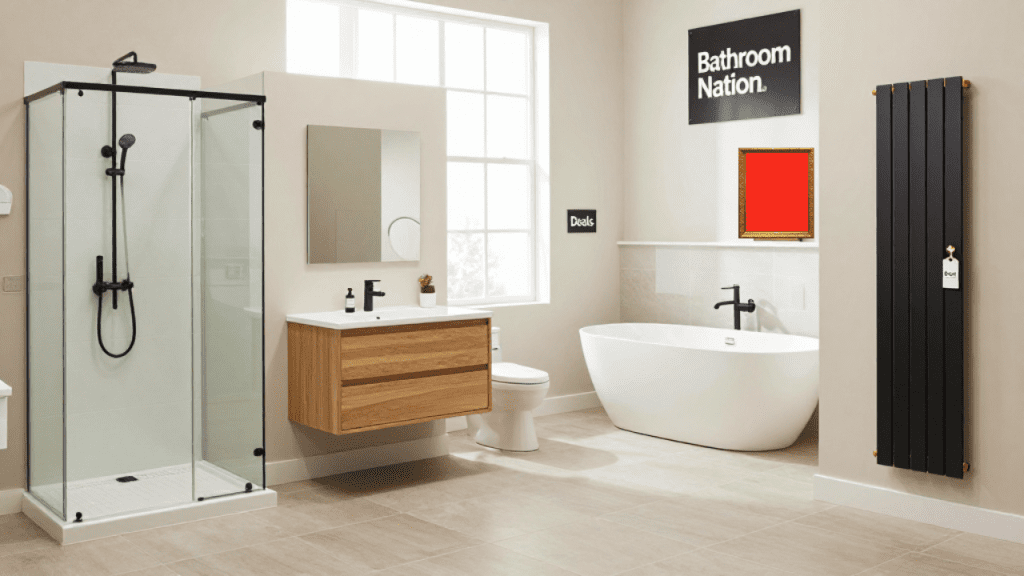
There’s a quiet revolution happening in British bathrooms. Homeowners are increasingly turning away from traditional close-coupled toilets with their exposed cisterns and visible pipework, instead embracing cleaner, more contemporary alternatives. At the forefront of this shift sits the back to wall toilet – a design that delivers the streamlined aesthetics of wall hung models without the complex installation requirements.
If you’ve been browsing bathroom showrooms or scrolling through renovation inspiration online, you’ve almost certainly encountered these elegant fixtures. Their smooth, uncluttered appearance seems to whisper sophistication, promising a bathroom that feels more like a boutique hotel than a functional family space. But beyond the visual appeal, what exactly makes a back to wall toilet worth considering for your own home?
Understanding the Back to Wall Toilet Design
A back to wall toilet positions the pan directly against the bathroom wall, with the cistern concealed either within the wall cavity or behind furniture. This arrangement eliminates the visible cistern that characterises traditional toilets, creating a seamless, minimalist appearance.
The toilet pan itself extends outward from the wall, providing the same comfortable seating position as conventional toilets. However, everything behind – the cistern, flush mechanism, and pipework – remains hidden from view. The result is a bathroom fixture that appears to float against the wall, its clean lines uninterrupted by bulky tanks or unsightly pipes.
This concealment can be achieved in two primary ways. Some installations use a dedicated furniture unit that houses the cistern while providing additional storage or a surface for decorative items. Others employ a concealed cistern frame built into a false wall or stud partition. Both approaches achieve the same visual outcome – a beautifully streamlined toilet that transforms bathroom aesthetics.
Why Homeowners Are Choosing Back to Wall Toilets
The growing popularity of back to wall toilets reflects broader trends in interior design, but practical benefits drive many purchasing decisions.
Streamlined Aesthetics
The most immediately obvious advantage of a back to wall toilet is its appearance. Without a visible cistern disrupting the visual flow, bathrooms feel calmer and more cohesive. The clean horizontal line where the toilet meets the wall creates a sense of order that cluttered traditional toilets simply cannot match.
This streamlined look particularly suits contemporary bathroom designs, where minimalism and clean lines dominate. However, back to wall toilets also work beautifully in transitional spaces, providing modern functionality whilst complementing classic design elements elsewhere in the room.
Easier Cleaning
Anyone who has wrestled with a toilet brush behind a traditional cistern understands the cleaning challenges conventional toilets present. Dust accumulates on cistern tops, grime builds up around exposed pipes, and reaching every surface requires awkward contortions.
A back to wall toilet eliminates these frustrations. With the cistern hidden away, there’s simply less surface area to clean. The smooth, curved pan has no awkward crevices where dirt can accumulate, and the floor beneath remains fully accessible for mopping. Many homeowners report that cleaning time reduces significantly after switching to back to wall designs.
Space Efficiency
While back to wall toilets don’t necessarily occupy less floor space than traditional models, they create an impression of spaciousness that makes bathrooms feel larger. The concealed cistern removes visual bulk, and the clean lines draw the eye smoothly around the room rather than stopping at a prominent tank.
In smaller bathrooms, this psychological effect proves particularly valuable. A back to wall toilet can make a compact space feel less cramped, even when actual dimensions remain unchanged.
Design Flexibility
Concealing the cistern opens interesting design possibilities. The furniture unit housing the cistern can provide valuable storage – shelving for toiletries, towels, or decorative items. Alternatively, a tiled false wall creates a seamless backdrop that integrates the toilet into your overall design scheme.
Some homeowners extend the concealment unit to create a full-width feature wall, incorporating the toilet alongside a vanity unit for a completely coordinated look. This flexibility allows back to wall toilets to adapt to virtually any bathroom layout or style preference.
Reduced Noise
Concealed cisterns operate more quietly than exposed alternatives. The surrounding structure muffles the sound of filling and flushing, creating a more peaceful bathroom environment. In en-suites adjacent to bedrooms, this noise reduction proves particularly welcome during night-time visits.
Comparing Back to Wall Toilets with Other Options
Understanding how back to wall toilets compare with alternatives helps clarify whether they suit your specific requirements.
Back to Wall vs Close-Coupled Toilets
Traditional close-coupled toilets feature a visible cistern mounted directly on the pan. They’re straightforward to install, widely available, and generally the most affordable option. However, their bulky appearance and cleaning challenges make them less appealing for contemporary bathroom designs.
A back to wall toilet costs more initially and requires more complex installation, but delivers superior aesthetics and easier maintenance. For those prioritising visual appeal and willing to invest accordingly, back to wall designs represent a worthwhile upgrade.
Back to Wall vs Wall Hung Toilets
Wall hung toilets take minimalism further, suspending the entire pan from the wall with no floor contact whatsoever. This creates the ultimate streamlined appearance and makes floor cleaning effortless – you can mop directly beneath the toilet.
However, wall hung toilets require robust wall mounting capable of supporting significant weight. Installation is more complex and costly, and not all walls suit this approach. A back to wall toilet achieves much of the same visual effect with simpler installation requirements, making it an excellent compromise for many situations.
Back to Wall vs Comfort Height Toilets
Comfort height toilets feature taller pans that make sitting and standing easier, particularly for taller individuals or those with mobility considerations. Many back to wall toilets are available in comfort height versions, combining ergonomic benefits with streamlined aesthetics. This isn’t an either/or choice – you can have both.
Choosing the Right Back to Wall Toilet
The market offers numerous back to wall toilet options, varying in shape, size, features, and price. Understanding these variations helps you select the perfect model for your bathroom.
Pan Shape
Back to wall toilet pans come in several shapes, each creating a different visual effect.
Round pans offer a soft, traditional appearance that suits classic and transitional bathroom designs. Their curved form feels welcoming and familiar.
Square pans deliver bold, contemporary aesthetics with sharp angles and geometric precision. They make strong design statements and suit modern, minimalist spaces.
D-shaped pans combine a curved front with a flat back, creating a versatile shape that works across various design styles. This popular option balances visual interest with practical comfort.
Elongated pans provide additional seating comfort, particularly appreciated by taller users. Their extended bowl shape offers more room whilst maintaining elegant proportions.
Projection from Wall
The distance a back to wall toilet projects from the wall affects both aesthetics and practicality. Compact projections suit smaller bathrooms where space is precious, whilst standard projections provide generous comfort for everyday use.
Short projection models typically extend 480mm to 520mm from the wall. Standard projections range from 520mm to 580mm. Consider who will use the toilet and whether compact dimensions might feel restrictive.
Rimless Design
Traditional toilet pans feature a rim around the bowl’s inner edge, beneath which water flows during flushing. This rim creates hidden areas where bacteria and limescale can accumulate, making thorough cleaning difficult.
Rimless back to wall toilets eliminate this problematic rim entirely. Water flows directly around the bowl in a smooth, powerful flush that reaches every surface. The result is superior hygiene and dramatically easier cleaning. Many homeowners consider rimless design essential for modern toilets.
Soft Close Seats
Most quality back to wall toilets include soft close seats that lower gently rather than slamming shut. This feature prevents startling noises, protects the seat and pan from damage, and adds a touch of refinement to everyday use. If your chosen toilet doesn’t include a soft close seat, purchasing one separately is highly recommended.
Flush Systems
The concealed cistern powering your back to wall toilet significantly impacts performance and water efficiency. Dual flush systems offering different volumes for liquid and solid waste have become standard, allowing water conservation without compromising effectiveness.
Quality concealed cisterns from reputable manufacturers provide reliable, powerful flushing whilst minimising water consumption. Look for cisterns meeting current water efficiency standards and backed by solid warranties.
Installation Considerations
Installing a back to wall toilet involves more complexity than fitting a traditional close-coupled model, but remains well within the capabilities of competent plumbers and experienced DIY enthusiasts.
Concealment Options
The first decision involves how you’ll conceal the cistern. Purpose-built furniture units offer the simplest approach – the unit houses the cistern whilst providing a finished appearance without additional construction work. These units come in various sizes and finishes to coordinate with other bathroom furniture.
Alternatively, building a false wall or boxing creates a custom concealment that can be tiled to match surrounding surfaces. This approach offers maximum design flexibility but requires more extensive work.
Cistern Frames
Concealed cistern frames provide the mounting structure for the cistern and flush mechanism. These frames fix securely to the floor and wall, supporting the cistern at the correct height and position. Quality frames include adjustable feet for levelling and accommodate various wall thicknesses.
When selecting a frame, ensure compatibility with your chosen toilet pan. Many manufacturers offer matched sets, guaranteeing proper fit and function.
Access for Maintenance
While concealed cisterns are reliable, occasional maintenance may be necessary. Flush mechanisms can require adjustment or replacement over time. Ensure your installation includes an access panel – typically positioned behind the flush plate – allowing future servicing without demolishing the concealment structure.
Quality flush plates incorporate removable covers providing access to the cistern mechanism. This thoughtful design detail proves invaluable should problems arise years after installation.
Plumbing Connections
Back to wall toilets require standard waste and water connections, though their positions may differ from traditional toilets. The waste pipe typically exits horizontally through the wall rather than vertically through the floor, though adapters accommodate various configurations.
Water supply connects to the concealed cistern, usually via flexible hoses that simplify installation. Isolation valves allow the water supply to be shut off for maintenance without affecting other fixtures.
Professional Installation
Given the complexity involved, professional installation is advisable for most homeowners. A skilled plumber ensures correct cistern positioning, secure mounting, watertight connections, and proper flush mechanism adjustment. The modest cost of professional fitting provides peace of mind and guarantees reliable operation.
Maintaining Your Back to Wall Toilet
Once installed, back to wall toilets require minimal maintenance beyond regular cleaning.
Cleaning the Pan
Clean your toilet pan regularly using appropriate bathroom cleaners. Rimless designs simplify this task considerably – a quick wipe around the bowl reaches all surfaces without struggling to clean beneath hidden rims.
Avoid abrasive cleaners or scouring pads that might scratch the ceramic surface. Most marks and stains yield to standard toilet cleaners with gentle brushing.
Cleaning the Exterior
The smooth exterior surfaces of back to wall toilets wipe clean easily with a damp cloth and mild cleaner. Pay attention to the area where the pan meets the wall, where dust can accumulate over time.
Seat Care
Soft close seats benefit from occasional hinge lubrication to maintain smooth operation. Clean seats with non-abrasive cleaners, avoiding harsh chemicals that might damage the finish or affect the soft close mechanism.
Cistern Maintenance
Concealed cisterns rarely require attention, but periodic checks ensure continued reliability. Listen for running water that might indicate a faulty fill valve, and address any issues promptly to prevent water waste.
If flush performance diminishes over time, the flush mechanism may need adjustment or cleaning. Access through the flush plate allows inspection and maintenance without major disruption.
Cost Considerations
Back to wall toilets typically cost more than basic close-coupled alternatives, reflecting their superior design and the additional components required.
The toilet pan itself ranges from budget-friendly options around £100 to premium designs exceeding £500. Concealed cistern frames and mechanisms add £80 to £200 depending on quality and features. Furniture units, if chosen, contribute further costs varying with size, material, and finish.
Installation costs exceed those for traditional toilets due to the additional work involved. Budget for professional fitting unless you possess relevant skills and experience.
While initial investment is higher, many homeowners consider the improved aesthetics, easier cleaning, and enhanced bathroom experience well worth the premium. A quality back to wall toilet serves reliably for decades, making the per-year cost remarkably reasonable.
Conclusion
A back to wall toilet represents the perfect balance between contemporary aesthetics and practical installation requirements. It delivers the clean, streamlined appearance that modern bathroom design demands without the structural complexity of wall hung alternatives.
Whether you’re undertaking a complete bathroom renovation or simply upgrading a tired toilet, the back to wall configuration deserves serious consideration. The concealed cistern transforms bathroom aesthetics, easier cleaning saves time and effort, and the overall impression of quality elevates your daily routine.
Take time to explore the options available, considering pan shape, features, and how the toilet will integrate with your broader bathroom design. With thoughtful selection and proper installation, your back to wall toilet will provide years of reliable, stylish service – a small upgrade that makes a significant difference to your bathroom experience.
