
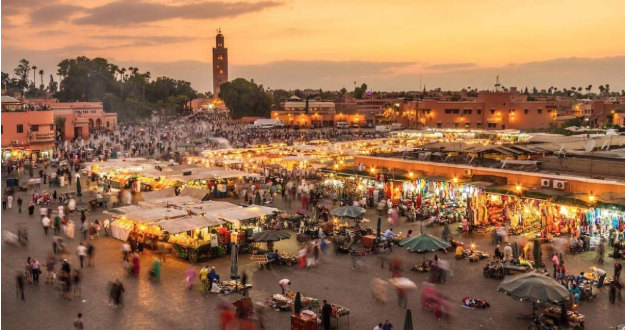
In recent years, the global travel industry has witnessed a significant shift in consumer preferences. Modern travelers are moving away from cookie-cutter vacations and increasingly seeking authentic, immersive, and premium experiences. At the intersection of this evolving demand and rich cultural heritage lies Morocco. As North Africa’s leading economic powerhouse in the hospitality sector, Morocco is rapidly transforming into one of the world’s most sought-after premium travel destinations.
The Moroccan tourism sector is not just recovering; it is experiencing an unprecedented boom. From sprawling desert camps to hyper-luxurious riads hidden within ancient medinas, the country’s travel economy is setting new standards for the global hospitality industry. This article explores the economic drivers behind Morocco’s tourism surge and why it has become the ultimate destination for high-end travel.
The Economic Pillars of Moroccan Tourism
Tourism has long been a foundational pillar of the Moroccan economy, historically contributing significantly to the national Gross Domestic Product (GDP) and providing millions of jobs. However, the current growth trajectory is fueled by highly strategic governmental investments and a sharp pivot towards attracting high-net-worth travelers.
1. Visionary Infrastructure Investments
A premium travel destination requires premium infrastructure. Morocco has invested billions of dollars in upgrading its transport networks. The crown jewel of this initiative is the Al Boraq high-speed rail line. As the first high-speed train on the African continent, it connects the commercial hub of Casablanca with the northern port city of Tangier in record time.
Furthermore, major airports in Marrakech, Casablanca, and Agadir have undergone massive expansions to accommodate an influx of international flights. Direct routes from major North American and European cities have made Morocco more accessible than ever before, seamlessly connecting affluent tourists to the country’s cultural hubs.
2. The Rise of the Luxury Boutique Hotel (The Riad)
The traditional Moroccan home, known as a ‘riad’, features an inward-facing design centered around an open-air courtyard, often containing a garden and a fountain. In recent years, foreign and domestic investors have poured capital into restoring these historic properties, transforming them into ultra-luxury boutique hotels.
These properties offer an unparalleled level of personalized service, privacy, and architectural beauty. This unique accommodation model allows tourists to stay in the heart of chaotic, vibrant medinas while enjoying an oasis of tranquility. The high daily rates commanded by these luxury riads have significantly boosted the revenue per available room (RevPAR) across the country’s hospitality sector.
The Shift Towards Experiential and Premium Travel
Today’s affluent travelers do not just want to see a country; they want to experience it on a profound, personal level. Morocco’s diverse geography—encompassing the Mediterranean and Atlantic coastlines, the towering Atlas Mountains, and the vast Sahara Desert—provides the perfect canvas for experiential travel.
Customized and Curated Itineraries
The days of packing fifty tourists into a massive coach bus are fading. The modern luxury travel market in Morocco is driven by private, highly curated itineraries. Visitors are willing to pay a premium for exclusivity. This includes private cooking classes with renowned Moroccan chefs, exclusive access to historical sites, and private hot air balloon rides over the foothills of the Atlas Mountains at sunrise.
For travelers seeking these highly curated, exceptional itineraries, relying on local expertise is essential. Boutique agencies and localized experts such as Morocco Tours Post are leading the charge in redefining the luxury travel experience, offering bespoke journeys that seamlessly blend comfort, safety, and deep cultural immersion. By utilizing specialized local operators, tourists ensure that their investment yields an authentic experience while directly supporting the local economy.
The Sahara Desert: A High-End Frontier
Perhaps the most striking example of Morocco’s premium travel evolution is found in the Sahara Desert. Historically, traveling into the deep dunes of Erg Chebbi or Erg Chigaga was viewed as a rugged, challenging adventure. Today, the desert experience has been elevated to unprecedented levels of luxury.
Investors have developed luxury desert camps that rival five-star hotels. These camps feature spacious, canvas-walled suites equipped with king-sized beds, en-suite bathrooms with hot running water, and exquisite traditional decor—all situated miles into the golden dunes. Guests enjoy gourmet Moroccan cuisine prepared by private chefs and dine under the stars, blending the raw beauty of nature with absolute comfort.
Sustainability and Eco-Tourism as Business Drivers
As global awareness regarding climate change and environmental conservation grows, sustainability has transitioned from a buzzword into a critical business driver. Premium travelers are increasingly conscious of their carbon footprint and prefer destinations that prioritize ecological preservation.
Morocco has positioned itself as a regional leader in sustainability. The country is home to the Noor Ouarzazate Solar Complex, one of the largest concentrated solar power plants in the world. This commitment to renewable energy extends into the tourism sector. Many luxury resorts and desert camps are now powered entirely by solar energy, utilize advanced water recycling systems, and enforce strict zero-waste policies.
Moreover, “agro-tourism” is gaining massive traction. High-end eco-lodges situated in the Atlas Mountains offer farm-to-table dining experiences, where guests can harvest their own organic ingredients alongside local Berber farmers. This sustainable approach not only preserves the delicate local ecosystems but also creates a highly marketable product for environmentally conscious luxury travelers.
Foreign Direct Investment (FDI) in Hospitality
The lucrative potential of Morocco’s premium travel market has not gone unnoticed by global hospitality giants. Major international luxury brands, including The Four Seasons, Mandarin Oriental, Aman Resorts, and The Ritz-Carlton, have firmly established their presence in cities like Marrakech Tours and Rabat.
This influx of Foreign Direct Investment (FDI) serves a dual purpose. First, it elevates the overall standard of service and luxury available within the country. Second, the presence of these globally recognized brands instills a deep sense of confidence in high-net-worth travelers, signaling that Morocco is a safe, stable, and highly desirable destination.
Conclusion
Morocco’s transformation into a premium travel hub is a textbook example of a successfully executed tourism strategy. By leveraging its unparalleled geographical diversity, rich cultural heritage, and visionary infrastructure investments, the country has successfully pivoted to attract the most lucrative segment of the global travel market.
For business leaders and investors, the Moroccan tourism sector represents a dynamic and highly profitable frontier. For the modern traveler, the country offers an intoxicating blend of ancient history and modern luxury. As the industry continues to evolve towards experiential, sustainable, and high-end travel, Morocco stands out not merely as a gateway to Africa, but as the ultimate destination for those seeking the very best the world has to offer by Rent car agadir.