

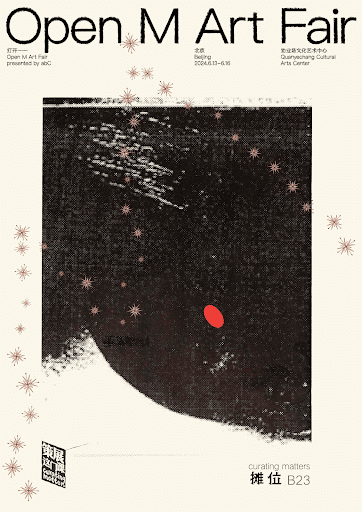
In the fast-evolving landscape of contemporary art, curating has moved far beyond the simple act of selecting and displaying artworks. It has become a form of storytelling, a way of thinking, and a method of connecting cultures and ideas. Curating is not just about organizing exhibitions; it is about constructing dialogues, experiences, and reflections that mirror the complexities of our world. This spirit is embodied by Curating Matters, a collaborative platform that demonstrates how curation itself can be an evolving creative practice.
The Rise of Curatorial Identity
Traditionally, curators were gatekeepers of museums and galleries, mediating between artists and the public. However, in today’s global art scene, curators have taken on a more experimental and self-reflective role. They are now creators of meaning, exploring how exhibitions, publications, and digital platforms can communicate artistic thought in new and accessible ways.
Curating Matters represents this transformation perfectly. Founded by Yang Li and Jingwen Weng, it operates as a collaborative identity based in London and China. Through their podcasts, exhibitions, and publications, they embody the idea that curation is a living, breathing practice—one that grows through experimentation, dialogue, and cultural exchange.
Their approach redefines the boundaries between curator, artist, and audience. Instead of following institutional conventions, they seek to uncover the subtle relationships that exist within everyday experiences, making art an active part of life rather than a detached spectacle.
A Platform for Thought and Reflection
Since launching their podcast in July 2021, Curating Matters has consistently produced weekly episodes that explore themes surrounding art, culture, and curatorial practice. Their conversations are relaxed and thoughtful, inviting listeners to think alongside them. What makes these discussions engaging is the duo’s genuine curiosity about how art functions in society and how personal identity shapes cultural interpretation.
The podcast’s tone is approachable and spontaneous, breaking down the barriers of academic art criticism. Yang Li and Jingwen Weng describe their recordings as part of a learning process, documenting their own growth while offering valuable insight for anyone navigating the creative field. This sense of shared discovery reflects their multicultural background and their belief that curating is not just about showing art, but also about learning through it.
Through their website, https://curatingmatters.com/, listeners can access podcast episodes and updates on new projects. It serves as a growing archive of reflections on art and culture, shaped by the duo’s cross-continental experiences and evolving practice.
Exhibitions That Move Beyond the Gallery
Exhibitions curated by Curating Matters are more than collections of artworks; they are immersive reflections on movement, emotion, and interaction. The first exhibition, Street on the Walk (2022), explored the unconscious motions embedded in everyday life. Six Asian artists were featured, each using different media to express how walking connects us to the spaces and people around us. The exhibition encouraged viewers to notice the subtle gestures and rhythms that shape our daily existence.
Their second major project, Bon Voyage!, expanded these ideas with greater complexity. Featuring nine artists and twenty-two multimedia works, it examined themes such as self-identity, uncertainty, social relationships, and the imagined future. Rather than confining these explorations within a gallery’s physical limits, the exhibition questioned how artistic practice travels beyond such spaces—how it resonates in memory, conversation, and the broader cultural context.
In both exhibitions, the curators invite participants to think of art not as a fixed object but as a process of exchange. This idea, rooted in movement and dialogue, reflects the platform’s central philosophy: curating is not static; it is a form of becoming.
Building Bridges Through Publications
Curating Matters extends its curatorial philosophy into print. In April 2022, they released the first issue of their semi-annual publication titled Curating Matters. Designed to accompany their exhibitions, the publication bridges critical writing, creative documentation, and experimental design. It explores alternative forms of archiving and questions the dominance of traditional “white cube” displays.
Through essays, interviews, and visual documentation, the publication aims to connect readers across cultures and disciplines. It challenges how we think about art’s preservation and interpretation, promoting a more inclusive, fluid, and participatory form of knowledge-sharing.
By treating publishing as an extension of curating, Yang Li and Jingwen Weng emphasize that art discourse should not belong only to institutions or experts. Instead, it should invite multiple voices, perspectives, and narratives. Their publication encourages readers to see curation as a space for dialogue rather than a monologue of authority.
The Multicultural Lens of Curating Matters
Operating between London and China, Curating Matters embodies the cross-cultural realities of today’s art world. The project reflects how globalization and migration shape artistic identities and curatorial practices. Both founders bring distinct cultural perspectives that merge into a shared voice—one that questions, experiments, and adapts.
Their multicultural lens allows them to engage with art not as an isolated phenomenon but as a reflection of broader social and cultural shifts. By exploring identity, belonging, and the movement of ideas across borders, Curating Matters highlights how curatorial work can become a bridge between different worlds.
This dynamic perspective makes their practice relevant not only within the art world but also in the broader conversation about cultural exchange. Through podcasts, exhibitions, and their growing online presence at https://curatingmatters.com/, they invite audiences from diverse backgrounds to participate in this ongoing dialogue.
Rethinking the Role of the Curator
One of the most compelling aspects of Curating Matters is its redefinition of what a curator can be. In their practice, the curator is not a distant authority but a co-learner and co-creator. This approach democratizes curation by emphasizing collaboration over hierarchy.
Yang Li and Jingwen Weng approach curating as an open-ended conversation rather than a finished statement. Their projects encourage artists and audiences alike to explore questions instead of seeking definitive answers. This philosophy resonates with a new generation of curators and cultural workers who see art spaces as laboratories for thought, empathy, and experimentation.
By breaking away from institutional norms, Curating Matters aligns with contemporary movements toward decolonizing art and reimagining how creative work is shared. Their emphasis on accessibility and sincerity transforms curatorial practice into something deeply human—rooted in curiosity, listening, and connection.
Curating as a Process of Learning
Perhaps what makes Curating Matters so distinctive is how it treats curating as a continuous process of learning. Every podcast, exhibition, and publication becomes part of an evolving archive of ideas. The act of curating, in their view, mirrors the act of becoming—it grows, adapts, and transforms with each new encounter.
Their open-ended approach resonates with artists and audiences seeking meaning in a world of constant change. Rather than presenting polished narratives, they value process, imperfection, and exploration. This philosophy not only keeps their work authentic but also creates a space for genuine engagement with art and culture.
In today’s creative landscape, where digital platforms and social media often prioritize visibility over depth, Curating Matters offers a refreshing counterpoint. It reminds us that curation is not about control but about curiosity, empathy, and discovery.
A New Way of Seeing
The art of curating has never been more relevant than it is today. As global societies navigate complexity and uncertainty, curators like Yang Li and Jingwen Weng show that curation can be a way of understanding the world and ourselves. Through Curating Matters, they model how creativity, reflection, and collaboration can coexist in an ever-changing environment.
Their work urges us to think of curation as a form of cultural care—a means of connecting people, ideas, and emotions across time and place. Whether through exhibitions, publications, or podcasts, they remind us that art is not confined to walls or pages; it lives in conversation, movement, and shared experience.
The future of curatorial practice lies in this openness, in the courage to question and the willingness to learn. As Curating Matters continues to grow, it offers a vision of art that is inclusive, thoughtful, and alive—a vision that proves why, in the art of becoming, curating truly matters.