
Buying a property in Melbourne without a professional termite inspection is one of the most expensive risks a buyer can take. Termites cause billions of dollars in damage to Australian homes every single year, and the vast majority of that damage happens completely out of sight, inside walls, beneath floors, and through structural timber, long before any visible sign appears. By the time the damage becomes obvious, repair costs can easily reach tens of thousands of dollars. And unlike most building defects, standard home insurance in Australia does not cover termite damage.
This is precisely why a professional termite inspection is not a luxury; it is essential due diligence for every property buyer in Melbourne.
What Does a Termite Inspection Actually Involve?
A termite inspection is a systematic, in-depth assessment of a property for evidence of termite activity, timber damage caused by past infestations, and environmental conditions that create high risk for future termite attack. It is conducted in accordance with Australian Standard AS 3660.2, which sets the national benchmark for timber pest inspections.
A professional termite inspection goes far beyond a visual walkthrough. Qualified inspectors use specialised equipment, including moisture meters and thermal imaging devices, to detect termite activity inside wall cavities, beneath concrete slabs, within subfloor spaces, and in areas that are completely inaccessible to the naked eye. This technology allows inspectors to detect evidence of live colonies and moisture-related conditions that termites rely on without opening up walls or damaging the property.
A thorough termite inspection covers active termite colonies within or adjacent to the structure, existing timber damage from past infestations, high-risk conditions such as poor subfloor ventilation, leaking pipes, timber-to-soil contact, and garden timber features, as well as any existing termite management systems, chemical barriers, physical barriers, or bait stations and their current condition and compliance.
Why Termite Inspections Matter for Pre-Purchase Buyers
If you are purchasing a property and booking a pre-purchase building inspection, combining it with a termite inspection gives you the complete picture. A pre-purchase building inspection focuses on structural integrity, roofing, walls, drainage, and workmanship defects. A termite inspection specifically targets timber pest activity and damage, a separate risk category that a standard building inspection does not fully cover.
Many buyers discover this distinction only after settlement, when a renovation reveals years of hidden termite damage inside a wall frame. The combined building and pest inspection is the most comprehensive option available for pre-purchase due diligence, and it is the format most commonly recommended by property solicitors and conveyancers across Melbourne.
A termite inspection before purchase also gives you direct negotiating power. If live termites or significant timber damage are identified, you can request that the vendor address the issue, negotiate a price reduction, or make an informed decision to walk away, all before you are legally committed.
Termite Risk in New Homes and Construction Stage Inspections
Many buyers assume a brand-new home carries no termite risk. This is a common and costly misconception. Even newly built properties in Melbourne contain significant volumes of structural timber roof framing, wall frames, floor joists, and internal linings that are fully vulnerable to termite attack if the correct management system has not been properly installed.
Under the National Construction Code (NCC), all new homes in Victoria must have a compliant termite management system installed before a Certificate of Occupancy is issued. During new home building inspections at the frame stage, lock-up stage, and completion stage, a qualified inspector can verify that the termite barrier has been correctly installed, is properly documented, and meets current Australian Standards.
Identifying a missing or incorrectly installed termite barrier at the frame stage costs almost nothing to rectify. Discovering the same problem years after the walls have been closed and tiled is fundamentally different and far more expensive.
Termite Inspections as Part of Routine Property Inspections
Whether you are a homeowner, landlord, or investor, annual termite inspections are recommended under Australian Standards for all properties, not just at the point of purchase. Properties with existing timber pest management systems should be re-inspected regularly to confirm that barriers remain effective and that no new activity has established since the last assessment.
As part of broader property inspections, termite assessments are particularly valuable for older Melbourne homes built before 1980, properties with subfloor timber construction, homes surrounded by mature trees or garden timber features, and any property that has not been professionally inspected within the past 12 months. In Melbourne’s eastern suburbs, including areas like Doncaster East, where established homes with significant timber elements are common, routine termite inspections are a straightforward and highly cost-effective form of property protection.
Book a Termite Inspection With Altez Building Inspections
Whether you are purchasing a property, building a new home, or carrying out routine maintenance on an existing one, a professional termite inspection from Altez Building Inspections gives you the accurate, detailed information you need to protect your investment.
Frequently Asked Questions
Q: Will I be able to tell if a property has termites before I book an inspection?
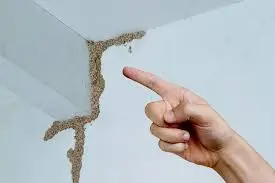
In most cases, no. Termites actively avoid light and work entirely within timber, leaving no surface trace until the damage is already severe. Occasional signs like mud tubes, hollow-sounding timber, or frass may be visible, but a professional termite inspection with the right equipment will detect activity that is completely invisible to an untrained eye.
Q: Does a standard building inspection cover termites?
A standard pre-purchase building inspection focuses on structural and workmanship defects. A termite inspection is a separate, specialist assessment. For complete pre-purchase due diligence, a combined building and pest inspection report covers both.
Q: Are brick homes safe from termites?
No. Even brick veneer and double-brick homes contain timber roof framing, wall studs, window frames, and floor structures that are fully accessible to termites. The external masonry offers no protection to internal timber elements.
Q: How long does a termite inspection take?
A thorough termite inspection of a standard residential property typically takes between 60 and 90 minutes. Larger properties or those with complex subfloor areas may require additional time.
Q: How often should termite inspections be carried out?
Australian Standards recommend annual termite inspections for all properties. Properties in high-risk areas or those without a current management system in place may warrant more frequent inspections.
Q: What happens if termites are found?
The inspection report will document the location, type, and extent of activity. You should engage a licensed pest management professional for treatment options. For property buyers, the report gives you a clear basis to renegotiate, request vendor rectification, or reconsider the purchase.
Q: When will I receive my termite inspection report?
Reports are delivered the same day or within 24 hours so you are never left waiting during a time-sensitive property transaction.