
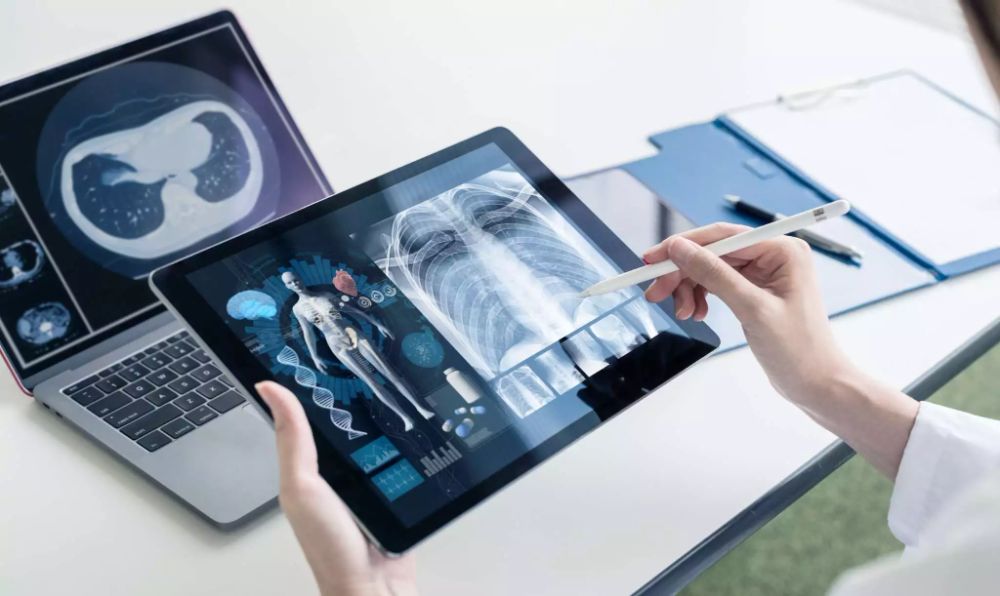
Telehealth has transformed healthcare delivery across Australia, making it easier for patients to access professional medical advice without unnecessary travel or long waiting times. One of the biggest improvements has been the ability to obtain an online radiology referral after a telehealth consultation, allowing eligible patients to arrange important diagnostic imaging quickly and conveniently.
Whether a doctor recommends an MRI, CT scan, ultrasound, or X-ray, digital healthcare simplifies the referral process while maintaining the same clinical standards expected during face-to-face consultations. Patients can now speak with qualified Australian doctors remotely, discuss their symptoms, and, where clinically appropriate, receive a radiology referral online that can be used at participating imaging centres.
This guide explains how telehealth supports diagnostic imaging, when online referrals are appropriate, and how Australians can benefit from modern healthcare services.
What Is an Online Radiology Referral?
An online radiology referral is an electronic request issued by a registered medical practitioner after assessing a patient’s health during a telehealth consultation.
The referral authorises diagnostic imaging such as:
- MRI scans
- CT scans
- X-rays
- Ultrasounds
- Bone density scans
- Other medical imaging investigations
Like traditional referrals, electronic referrals contain clinical information that helps radiologists understand why the imaging has been requested.
The only difference is that the consultation and referral are completed digitally, making healthcare more convenient for many Australians.
How Telehealth Has Changed Medical Imaging
Before telehealth became widely available, patients often needed to visit a medical clinic simply to obtain a referral before booking an imaging appointment.
Today, the process is much more efficient.
Step 1: Book a Telehealth Consultation
Patients schedule an online appointment with a registered Australian doctor.
Step 2: Discuss Symptoms
During the consultation, the doctor reviews:
- Current symptoms
- Medical history
- Previous investigations
- Existing medications
- Recent injuries or illnesses
Step 3: Clinical Assessment
If diagnostic imaging is appropriate, the doctor issues a radiology referral online.
Step 4: Receive the Referral
Patients receive their referral electronically and can arrange imaging at their preferred provider.
This streamlined approach reduces unnecessary travel while maintaining high clinical standards.
When Is an MRI Referral Needed?
An mri referral is commonly recommended when doctors need detailed images of soft tissues, nerves, muscles, joints, or internal organs.
MRI scans may assist in diagnosing:
- Sports injuries
- Persistent back pain
- Neck pain
- Joint damage
- Ligament injuries
- Brain and spinal conditions
Because MRI scans are specialised investigations, doctors carefully assess whether they are the most appropriate imaging option.
An online mri referral provides patients with convenient access to this assessment through telehealth.
Benefits of an Online MRI Referral
An online mri referral offers several advantages for patients.
Convenience
Patients avoid travelling to a clinic solely to obtain paperwork.
Faster Access
Electronic referrals help reduce delays between consultation and imaging appointments.
Better Support for Rural Communities
Regional Australians can access healthcare more easily without long-distance travel.
Improved Continuity of Care
Doctors can review previous imaging and medical history before recommending further investigations.
Healthcare providers such as HelloGP have helped improve access to telehealth services while maintaining professional healthcare standards.
Understanding CT Scan Referral Online Services
A ct scan referral online may be appropriate when detailed cross-sectional imaging is required.
Doctors may recommend CT scans for:
- Bone injuries
- Chest conditions
- Abdominal pain
- Internal injuries
- Certain neurological concerns
- Cancer investigations
Since CT imaging involves radiation exposure, doctors only recommend it when the expected benefits outweigh potential risks.
Professional clinical judgement remains central to every referral decision.
X-Ray Referrals Through Telehealth
An xray referral remains one of the most common imaging requests in Australian healthcare.
Doctors frequently request X-rays for:
- Suspected fractures
- Chest infections
- Joint pain
- Arthritis
- Sports injuries
- Degenerative conditions
An x ray referral online allows patients to receive referral documentation after a telehealth consultation rather than visiting a clinic in person.
This makes healthcare more efficient without compromising patient safety.
Ultrasound Referral Online Services
An ultrasound referral online is another important application of telehealth.
Ultrasounds may be used for:
- Pregnancy care
- Abdominal investigations
- Pelvic examinations
- Soft tissue assessments
- Vascular imaging
- Organ evaluations
Because ultrasounds do not use radiation, they are often recommended for many routine investigations.
Doctors determine whether ultrasound represents the most appropriate imaging option based on individual symptoms and clinical findings.
Why Australians Are Choosing Online Imaging Referrals
More Australians are using telehealth because it provides:
- Faster healthcare access
- Reduced travel
- Flexible appointment times
- Improved access for regional communities
- Convenient digital documentation
Rather than replacing traditional medicine, telehealth complements it by making routine healthcare processes more efficient.
Patients still receive professional assessment before any imaging referral is issued.
Choosing the Right Imaging Test
Not every health concern requires the same type of diagnostic imaging. During a telehealth consultation, a doctor evaluates your symptoms, medical history, and clinical needs before recommending the most appropriate investigation.
MRI Referrals
An mri referral is generally recommended when detailed images of soft tissues, muscles, ligaments, nerves, or the brain are needed. MRI scans are commonly used for:
- Persistent back or neck pain
- Sports injuries
- Joint damage
- Neurological conditions
- Spinal disorders
If appropriate, patients may receive an mri referral online, allowing them to arrange their scan without visiting a clinic solely to collect referral paperwork.
CT Scan Referrals
A ct scan referral online may be recommended when rapid, detailed cross-sectional images are required.
CT scans are commonly used for:
- Internal injuries
- Chest conditions
- Abdominal pain
- Certain neurological concerns
- Complex fractures
Doctors only recommend CT imaging when it is clinically justified because CT scans involve exposure to ionising radiation.
X-Ray Referrals
An xray referral is suitable for many common medical conditions, including:
- Suspected broken bones
- Chest infections
- Joint pain
- Arthritis
- Degenerative conditions
Patients who complete telehealth consultations may receive an x ray referral online when imaging is clinically appropriate.
Ultrasound Referrals
An ultrasound referral online may be suitable for investigations involving:
- Pregnancy care
- Abdominal organs
- Gallbladder conditions
- Kidney assessments
- Pelvic examinations
- Soft tissue injuries
Ultrasound imaging uses sound waves rather than radiation, making it suitable for many routine investigations.
Is a Radiology Referral Online Safe?
Some patients wonder whether a radiology referral online provides the same level of care as a traditional clinic visit.
The answer is yes—when delivered through a reputable Australian telehealth provider.
Doctors continue to:
- Assess symptoms carefully.
- Review medical history.
- Consider previous imaging.
- Recommend the most appropriate investigation.
- Follow Australian clinical guidelines.
Telehealth changes how consultations take place, but it does not change the professional responsibilities of healthcare practitioners.
Common Misconceptions About Online Imaging Referrals
Myth 1: Online Referrals Are Automatically Approved
This is incorrect.
Every online radiology referral is issued only after a doctor determines that diagnostic imaging is clinically appropriate.
Myth 2: MRI Is Always Better Than X-Ray
Different imaging tests answer different clinical questions.
An mri referral online is not automatically superior to an x ray referral. The most suitable investigation depends entirely on the patient’s symptoms and medical history.
Myth 3: Telehealth Cannot Assess Imaging Needs
Many conditions can be assessed effectively through telehealth. Doctors use patient history, symptoms, previous investigations, and clinical judgement to decide whether imaging is required.
If an in-person examination is necessary, patients will be advised accordingly.
Myth 4: Every Injury Needs Advanced Imaging
Many minor injuries recover without MRI or CT scanning.
Healthcare professionals recommend imaging only when it will assist diagnosis or influence treatment decisions.
Benefits of Telehealth for Rural Australians
Telehealth has significantly improved healthcare access for people living in regional and remote Australia.
Benefits include:
- Reduced travel time.
- Faster access to doctors.
- Improved healthcare equity.
- Easier referral management.
- Better continuity of care.
Instead of travelling several hours simply to obtain referral paperwork, eligible patients can receive a radiology referral online from home before arranging imaging locally.
Healthcare providers such as HelloGP have contributed to expanding access to these convenient healthcare services.
The Future of Radiology Referrals in Australia
Digital healthcare continues to evolve rapidly.
Future improvements may include:
- Greater integration with electronic medical records.
- Faster communication between doctors and imaging providers.
- Improved appointment coordination.
- Enhanced patient access to diagnostic services.
- More efficient referral management.
Telehealth will continue to play an important role in improving healthcare accessibility while maintaining high professional standards.
Providers like HelloGP demonstrate how technology can support better patient experiences without compromising safety or clinical quality.
Frequently Asked Questions
1. Can I get an online radiology referral in Australia?
Yes. Following a telehealth consultation, a registered Australian doctor may issue an online radiology referral if diagnostic imaging is clinically appropriate.
2. Is an online MRI referral accepted by imaging providers?
Yes. An online mri referral issued by an authorised medical practitioner is generally accepted by accredited imaging providers throughout Australia.
3. Can I obtain a CT scan referral online?
Yes. A ct scan referral online may be provided following a telehealth consultation if your doctor determines the investigation is medically necessary.
4. Can doctors issue an ultrasound referral online?
Yes. An ultrasound referral online may be issued when ultrasound is considered the most appropriate diagnostic investigation.
5. Can I receive an X-ray referral through telehealth?
Yes. Many patients can receive an x ray referral online after discussing their symptoms with a registered doctor during a telehealth consultation.
Conclusion
Telehealth has made diagnostic imaging more accessible than ever for Australians. Whether you require an online radiology referral, an mri referral, an xray referral, or an ultrasound referral online, digital healthcare provides a convenient way to connect with qualified doctors while maintaining the same clinical standards expected from traditional medical care.
Rather than replacing face-to-face healthcare, telehealth complements existing services by making referrals faster, reducing unnecessary travel, and improving access for patients across metropolitan, regional, and rural Australia.
As healthcare technology continues to evolve, radiology referral online services will remain an important part of delivering timely, patient-centred care.