
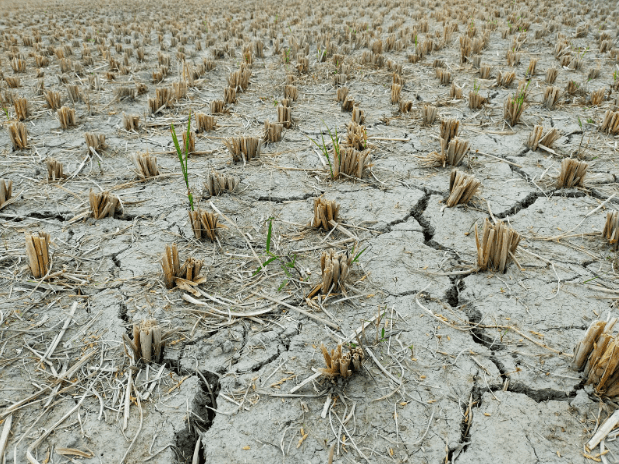
Water is one of the most important parts of farming, but getting enough of it to cattle and crops is becoming harder. As weather patterns change and dry periods last longer, farmers are struggling to keep their animals healthy and their plants growing. Without enough water, cattle can become sick and crops can fail, putting food supplies and farm incomes at risk. That’s why finding reliable ways to get water to both animals and crops is more important than ever.
That’s why finding reliable ways to get water to both animals and crops is more important than ever. When drought strikes, farmers often face major losses in both crops and pastureland, which can lead to lower food production and higher prices for consumers. Some farmers receive help through government disaster assistance, but the wider effects can be felt throughout the economy. Businesses that depend on farm products, like food processors, may also be affected by reduced supply. At the same time, farmers might cut back on buying fertilizer or hiring labor, which impacts other industries. Beyond the financial losses, the stress of dealing with repeated droughts can weigh heavily on the mental health of farmers and their families.
Water shortages also make it harder to grow food and raise animals. As soils dry out and groundwater levels drop, it becomes more expensive and difficult for farmers to irrigate crops and provide drinking water for livestock. Even when rainfall returns to normal, soil moisture usually recovers more quickly than underground water sources, which can take much longer to replenish. Drought can also increase the spread of pests and diseases, especially when combined with heat, which creates even more pressure on farmers. Specialty crops like fruits, vegetables, and nuts are often hit hardest, since they need more water and tend to be more valuable, meaning even small losses can lead to big financial setbacks.
Livestock plays a major role in the U.S. agricultural economy, making up about half of all farm revenue. According to studies by drought.gov, in 2015 alone, farms added $136.7 billion to the national economy and supported 2.6 million jobs, with agriculture- and food-related industries contributing even more. But when drought conditions last for weeks or months, the livestock sector is hit hard. Farmers may be forced to sell off animals due to lack of water and feed, leading to financial loss and long-term setbacks for herd recovery. Property damage, reduced meat and dairy production, and higher costs for water and forage all add to the strain. Drought is one of the most damaging weather events in the U.S., averaging more than $9 billion in losses each year. Its impacts ripple through farming communities and the broader economy, making it one of the most serious environmental threats to agricultural stability.
As the co-founder and CEO of Ranchbot, Andrew Coppin is helping ranchers across the USA combat these dangerous effects of droughts. By using remote monitoring solutions to optimize their water management and operations, Ranchbot is able to help mitigate some of these detrimental impacts. Ranchbot’s mission is to empower ranchers with the tools they need to optimize resource management, enhance productivity, and gain peace of mind. They believe that technology should work for you, making ranch management easier, more efficient, and more effective.
This is where technology is starting to play a vital role in the advancement of agriculture. Technology is becoming an important part of farming’s future. As droughts happen more often and last longer, new tools like remote water monitoring help farmers use water more wisely and take better care of their animals and crops. While these tools can’t fix everything, they make it easier for farmers to save water, reduce waste, and protect their farms. For farmers and ranchers dealing with tough weather, technology offers hope and support. With better tools and information, the farming community can work toward a stronger and more secure future.