
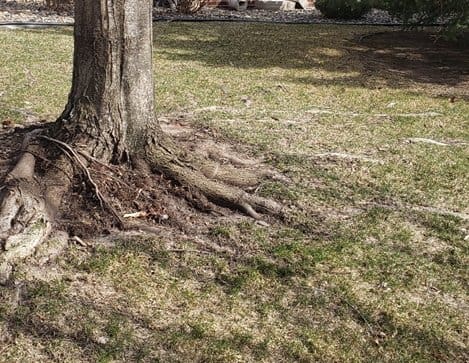
Understanding Surface Root Management and Its Importance
Trees enhance property value, improve air quality, and create inviting outdoor spaces. However, when roots grow close to the soil surface, they can disrupt sidewalks, crack driveways, and interfere with foundations. This is where surface root management becomes essential. At Vema Tree Service, trained arborists evaluate root patterns and apply targeted techniques that protect both trees and structures. Proper management preserves landscape aesthetics while minimizing safety hazards caused by exposed or invasive root systems.
Why Surface Roots Become a Problem
Surface roots often develop when soil conditions restrict deeper growth. Compacted soil, poor drainage, and shallow planting encourage roots to spread horizontally. Over time, these roots can lift concrete, disturb lawns, and create tripping hazards. Without professional root control, minor issues may escalate into costly structural repairs. Effective surface root management addresses the underlying causes while maintaining the health of the tree, ensuring that corrective action does not compromise structural stability or vitality.
Signs You Need Professional Root Control Services
Homeowners may notice uneven pavement, cracks along pathways, or visible roots emerging above ground. These are early indicators that intervention is necessary. Ignoring them can lead to foundation stress or underground utility interference. A certified arborist conducts a detailed site assessment, examining soil composition, moisture levels, and tree species behavior. Through strategic root pruning and soil modification, surface root management restores balance between the tree and its surrounding environment.
The Science Behind Root Growth Patterns
Tree roots naturally seek oxygen, moisture, and nutrients. When these elements are more available near the surface, roots adapt by spreading outward rather than downward. Urban landscapes frequently create such conditions due to irrigation systems and compacted subsoil. Professional surface root management involves understanding root biology and applying arboricultural best practices. Techniques such as selective root pruning and soil aeration redirect growth while preserving essential support structures beneath the tree canopy.
Techniques Used in Surface Root Management
Modern root care strategies combine precision and sustainability. Arborists may implement controlled root pruning, install root barriers, or improve soil structure through aeration. Each technique is tailored to the specific species and site conditions. Surface root management focuses on minimizing stress to the tree while reducing risk to hardscapes. Advanced equipment allows professionals to cut roots cleanly, preventing decay and encouraging healthy regeneration below the soil line.
Benefits of Timely Root Intervention
Addressing root issues early prevents extensive property damage and maintains curb appeal. Proactive surface root management enhances pedestrian safety by eliminating raised surfaces and unstable ground. It also protects underground utilities from intrusion. By correcting growth direction and improving soil health, trees remain structurally sound. This balanced approach reduces the likelihood of storm related failures and extends the lifespan of valuable landscape assets.
Protecting Foundations and Hardscapes
Foundations, patios, and retaining walls are particularly vulnerable to expanding root systems. As roots thicken, they exert pressure on nearby structures. Strategic surface root management reduces this pressure by selectively trimming problematic roots and guiding future growth away from vulnerable areas. Proper planning ensures that structural integrity is preserved without removing the tree entirely. This approach provides a cost effective alternative to complete tree removal.
Environmental Considerations in Root Care
Sustainable practices are central to responsible tree maintenance. Professional surface root management prioritizes ecological balance by preserving soil microorganisms and minimizing chemical use. Organic mulching and soil conditioning encourage deeper root growth and improve moisture retention. These measures support long term tree health while protecting surrounding plant life. Responsible management safeguards both the landscape and the broader ecosystem.
How Soil Improvement Supports Root Stability
Compacted or nutrient deficient soil restricts vertical root expansion. Aeration and soil amendment enhance oxygen flow and nutrient availability, promoting stronger anchoring roots. Surface root management often integrates these techniques to prevent recurrence of shallow growth. By addressing soil structure, arborists create conditions that encourage downward development, reducing surface disruption and improving overall stability during extreme weather events.
Choosing Experienced Arborists for Root Solutions
Not all tree care providers possess the technical expertise required for safe root pruning. Improper cutting can destabilize trees or introduce disease. Professional surface root management relies on certified arborists who understand species specific responses and structural biomechanics. Their knowledge ensures that corrective measures enhance safety without compromising tree health. Engaging qualified professionals reduces liability risks and delivers lasting results.
Long Term Maintenance and Monitoring
Tree root systems continue to evolve over time. Routine inspections allow early detection of emerging issues before they escalate. Surface root management is not a one time task but part of an integrated landscape maintenance plan. Periodic soil testing, mulching, and monitoring help maintain equilibrium between growth and infrastructure protection. Consistent care prevents recurring surface root problems and supports sustainable urban forestry.
Cost Effectiveness of Professional Root Care
Investing in preventive tree root solutions can significantly reduce repair expenses. Replacing damaged sidewalks or repairing foundation cracks often costs far more than proactive surface root management. By implementing targeted interventions, property owners avoid extensive reconstruction and maintain property value. This practical approach balances financial considerations with environmental responsibility.
Safety Standards and Equipment Used
Professional arborists utilize specialized tools designed for precision and minimal disruption. Equipment such as air excavation devices exposes roots without damaging surrounding soil. Surface root management requires adherence to industry safety standards to protect workers and property. By combining technical skill with modern machinery, experts ensure accurate root cutting and efficient site restoration.
Residential and Commercial Applications
Both homeowners and commercial property managers benefit from structured root care programs. Public spaces, parking areas, and landscaped developments are especially susceptible to surface root damage. Surface root management provides scalable solutions tailored to diverse environments. From small gardens to large corporate campuses, customized strategies maintain safety, aesthetics, and tree vitality across varied settings.
Conclusion
Effective surface root management preserves the harmony between thriving trees and functional infrastructure. Through precise pruning, soil improvement, and ongoing monitoring, property owners can prevent costly damage while maintaining healthy landscapes. Vema Tree Service delivers comprehensive assessments and tailored solutions that prioritize safety and sustainability. With expert guidance, trees remain valuable assets rather than structural liabilities.
Call to Action
If exposed or invasive roots are affecting your property, schedule a professional evaluation today. Call Now and Contact Vema Tree Service for reliable surface root management that protects your landscape and structural investments. Our certified arborists are ready to restore balance, enhance safety, and ensure long term tree health with proven root control solutions.