

If you’ve spent even one evening scrolling through education consultancy pages in Kathmandu, you already know the feeling — ten tabs open, ten different opinions, and somehow you’re more confused than when you started. Should you go for the USA because everyone talks about it? Is Germany really “free”? Does Japan actually hire foreigners after graduation? These aren’t small questions. For most Nepali families, sending a child abroad to study is one of the biggest financial and emotional decisions they’ll make.
So let’s slow down and actually go through it properly.
Right now, the USA, Japan, Germany, and South Korea are the four destinations coming up again and again in conversations with Nepali students — and for good reason. Each one offers something different: research-heavy universities, cutting-edge technology, low-cost degrees, or a fast-growing job market. None of them is “the best” in every category. The right one depends on your subject, your budget, and honestly, your personality.
This guide walks through study in USA from Nepal, study in Japan from Nepal, study in Germany from Nepal, and study in South Korea from Nepal — the admission requirements, the real costs (not the rounded-off numbers agents like to quote), scholarships worth knowing about, and what the visa process actually looks like.
Why Do So Many Nepali Students Choose to Study Abroad?
It’s rarely just about the degree on paper. Ask ten students why they’re leaving, and most will tell you some version of the same thing — they want an education system that actually prepares them for a job, not just an exam.
A few reasons come up over and over:
Access to better labs, better libraries, and professors who are still active in their field. A degree that’s recognized internationally, not just locally. The chance to work part-time while studying, which — let’s be honest — also helps cover the bills. And for many, the real goal is a pathway to settle abroad through a post-study work visa.
The USA, Japan, Germany, and South Korea each answer these needs differently, which is exactly why comparing them matters more than picking whichever country your cousin went to.
Study in USA from Nepal: Universities, Cost and Requirements
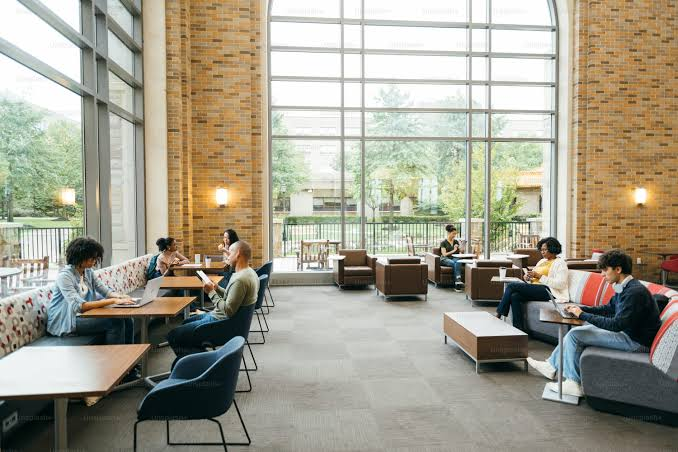
Why the USA Still Tops the List
The United States isn’t the most affordable option on this list, not even close — but it remains the dream destination for a reason. American universities give students flexibility that’s hard to find elsewhere. You can start in one major, discover halfway through that you’re actually good at something else, and switch without starting over.
Popular fields among Nepali students heading to the US include computer science, business administration, engineering, data science, and increasingly, artificial intelligence and biotechnology. The name recognition of a US degree also opens doors that other countries’ degrees sometimes don’t — at least in certain industries.
What You’ll Need to Apply
The paperwork side of a US application is fairly standard once you know what’s coming. Universities generally ask for your academic transcripts, an English proficiency score (IELTS, TOEFL, or increasingly PTE, depending on the school), a Statement of Purpose that actually sounds like you and not a template downloaded from Google, letters of recommendation from teachers who know your work, your passport, and financial documents proving you can cover your first year.
Graduate applicants in certain fields might also need GRE or GMAT scores, though a growing number of universities have dropped this requirement — worth double-checking before you spend months preparing for a test you didn’t need.
The Real Cost of Studying in USA from Nepal
This is where families get their first real shock. Undergraduate tuition typically runs USD 20,000 to 50,000 per year, and master’s programs land somewhere between USD 18,000 and 45,000, depending heavily on whether it’s a state university or a private one.
Then there’s living — and this is the part people forget to budget for. Expect roughly USD 10,000 to 20,000 a year for accommodation, food, transportation, health insurance, and general expenses. Health insurance alone can be a nasty surprise if you haven’t priced it in advance.
Scholarships genuinely do bring this number down, sometimes significantly, so it’s worth applying even if you assume you won’t get one.
Study in Japan from Nepal: Education, Scholarships and Living Costs
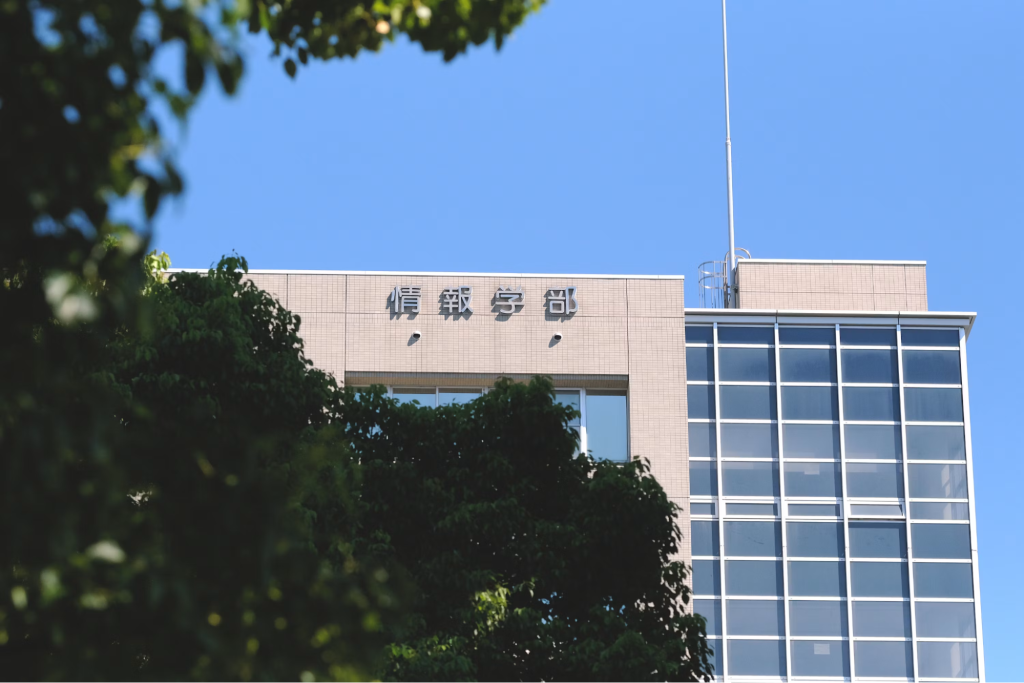
Why Japan Is Quietly Gaining Ground
Japan doesn’t get talked about as much as the US in Nepali households, but that’s changing fast. The country’s reputation in robotics, automotive engineering, and technology research is hard to ignore, and Japanese universities are known for discipline and academic rigor that translates well into serious job prospects.
A growing number of programs are now taught fully in English, which has made Japan far more accessible to Nepali students who don’t want to spend a year learning Japanese before they can even start their degree.
Requirements for Studying in Japan from Nepal
If you’re applying for an English-taught program, you’ll typically need IELTS or TOEFL, your academic records, a completed application, financial proof, and the standard student visa documentation. If your program is taught in Japanese, expect to need proof of Japanese language ability as well — usually the JLPT.
Cost of Study in Japan from Nepal
Tuition for undergraduate programs generally falls between NPR 600,000 and 1,500,000 per year, while master’s programs run closer to NPR 700,000 to 1,800,000. Living costs vary a lot depending on where you’re based — Tokyo will eat your budget faster than smaller cities like Fukuoka or Sendai. On average, students spend somewhere between NPR 80,000 and 150,000 a month.
Scholarships in Japan Worth Knowing About
Japan actually offers a fair number of scholarship routes for international students — government-funded scholarships, university-specific grants, and research funding for those going into graduate study. These aren’t easy to get, but they’re not mythical either, and they can make a real dent in your overall cost.
Study in Germany from Nepal: Affordable Education and Career Opportunities

Why Choose Germany for Higher Education?
If budget is your biggest concern, Germany usually wins the conversation. Many public universities charge little to no tuition fees, regardless of nationality — a policy that’s made Germany hugely popular among international students looking for engineering courses in Germany without the crushing debt. For Nepali students, studying in Germany from Nepal offers a pathway to affordable world-class education, globally recognized degrees, and strong career opportunities in one of Europe’s leading economies.
Institutions like the Technical University of Munich, Heidelberg University, and RWTH Aachen University are known worldwide for engineering, research, and technical education. And Germany’s job market — particularly in automotive, manufacturing, and tech sectors — tends to be generous toward graduates who stick around after finishing their degree.
Requirements to Study in Germany from Nepal
You’ll need your educational certificates and meet the university’s admission qualifications, which vary by course and institution. For English-taught programs, IELTS is generally sufficient; for German-taught programs, you’ll need a recognized German language certificate.
The part that catches students off guard is the blocked account requirement — proof that you have enough funds set aside to cover a year of living expenses before your German student visa gets approved. It’s not optional, and it needs to be arranged well in advance.
Cost of Studying in Germany from Nepal
Public universities usually charge only a semester contribution — roughly EUR 150 to 350 — rather than actual tuition. Private universities are a different story, charging anywhere from EUR 10,000 to 30,000 annually. Living costs average EUR 850 to 1,200 per month, covering accommodation, food, transport, and health insurance.
Study in South Korea from Nepal: Technology, Universities and Costs
Why South Korea Is on More Radars Than Before
South Korea’s rise as a study destination has a lot to do with its economy — global companies, a booming tech sector, and universities that are investing heavily in research. Students interested in electronics, AI, business, and media studies are finding South Korea increasingly worth the trip, not just for the education but for the culture that comes with it.
Requirements for South Korea
Applications typically need academic documents, a university acceptance letter, language proficiency (Korean or English depending on the program), financial documents, and your visa application. Some universities are flexible on Korean language requirements if the program is taught in English, so it’s worth checking course by course.
Cost of Studying in South Korea from Nepal
This is where South Korea becomes genuinely appealing on a budget level. Undergraduate tuition usually runs USD 3,000 to 10,000 per year, and graduate programs sit around USD 4,000 to 12,000. Monthly living costs range from USD 600 to 1,200, depending heavily on the city and your lifestyle.
USA vs Japan vs Germany vs South Korea: Which Country Is Best for Nepali Students?
| Country | Best For | Cost Level | Major Advantage |
| USA | Technology, Business, Research | High | Global universities & job market |
| Japan | Technology, Engineering | Medium | Innovation and safety |
| Germany | Engineering, Science | Low-Medium | Affordable, quality education |
| South Korea | Technology, Business | Medium | Modern education, growing opportunities |
There isn’t a universal winner here. If your priority is name recognition and career networking, the USA still leads. If you want a technically strong degree without heavy debt, Germany is hard to beat. Japan suits students drawn to precision engineering and a safe, structured environment, while South Korea works well for those chasing tech-driven fields on a tighter budget.
Step-by-Step Process to Study Abroad from Nepal
Start by narrowing down your destination and course — this should come before anything else, because everything downstream depends on it. Once that’s decided, gather your academic documents: certificates, transcripts, passport, and recommendation letters from teachers who can actually speak to your abilities.
Next comes language prep — IELTS, TOEFL, or PTE for English-speaking programs, and Japanese, Korean, or German tests where required. After that, you’re applying to universities, ideally well before deadlines rather than in the final week when everyone else is also scrambling.
Finally comes the visa stage, where financial proof, admission letters, and embassy-specific requirements all need to line up. Students who prepare this properly, rather than rushing it a week before their interview, tend to have a noticeably smoother experience.
How Studination Helps Students Planning Overseas Education
Every country on this list has its own admission logic, its own document checklist, and its own visa quirks — and keeping track of all four at once is genuinely a lot for one student or one family to manage alone. This is where a bit of guidance helps. Studination works with students to make sense of these moving parts — comparing options, understanding what a specific university actually expects, and figuring out realistic timelines based on where you’re starting from.
Good guidance doesn’t replace your own research, but it does save you from the kind of mistakes that cost time and money.
Common Mistakes Nepali Students Should Avoid When Applying Abroad
A lot of avoidable stress comes down to a handful of repeated mistakes. Picking a country because it sounds impressive rather than because it fits your subject and budget. Underestimating living costs and only budgeting for tuition. Submitting incomplete or last-minute documents. Waiting too long to start the process, then panicking over deadlines. And choosing a program without thinking about what it actually leads to career-wise.
None of these are complicated to fix — they just require starting earlier than feels necessary.
Final Thoughts
Studying abroad from Nepal isn’t a decision you make in an afternoon, and it shouldn’t be. Whether you’re leaning toward study in USA from Nepal, study in Japan from Nepal , study in Germany from Nepal, or study in South Korea from Nepal, each path comes with its own costs, timelines, and trade-offs — and none of them are one-size-fits-all.
Before you commit to anything, dig into the actual universities, price out the real cost of living (not just tuition), get your documents in order early, and pick a program that lines up with where you actually want to be in five years, not just where your friends are going.
Getting the right guidance along the way won’t make the decision for you, but it will make the process a lot less overwhelming — and that alone is worth something when you’re navigating four very different countries at once.
Frequently Asked Questions
Which country is cheapest to study abroad from Nepal? Germany usually comes out on top here, since many public universities charge little beyond a semester contribution fee, making it one of the more affordable options for a genuinely high-quality degree.
What is the cost of studying in USA from Nepal? All-in, including tuition and living expenses, most students end up spending somewhere between USD 30,000 and 70,000 per year, though this swings a lot based on the university and city.
Is IELTS mandatory for studying abroad from Nepal? Not always. It depends on the university and the country — some accept TOEFL or PTE instead, and a number of institutions offer exemptions if you’ve studied in English-medium schools.
Which country is best for Nepali students after graduation? It really comes down to what you want next. The USA has the strongest career networks in tech and business, Germany offers a generous post-study work window, Japan is strong for engineering-focused careers, and South Korea is opening up fast in innovation-driven fields.
Can Nepali students work while studying abroad? Yes, in all four countries, though the rules on hours and conditions differ — it’s worth checking your specific visa category before assuming you can work full-time part-year or vice versa.
