

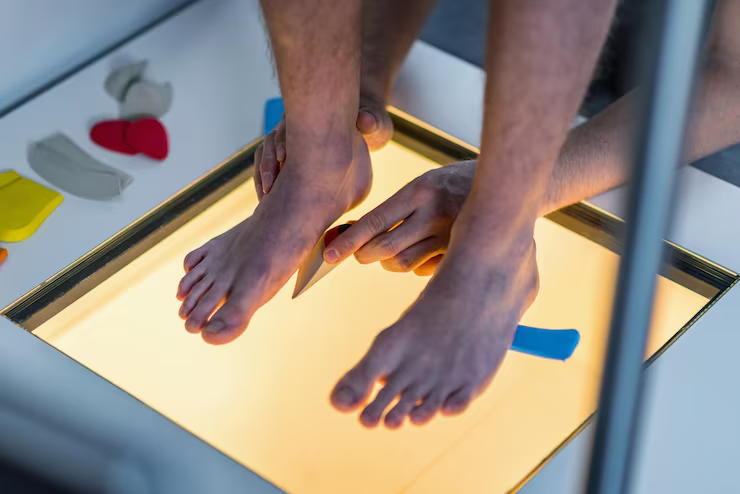
Flat feet, also known as pes planus, affect a significant portion of the adult population, often leading to discomfort, fatigue, and long-term joint issues. If you are struggling with foot pain, difficulty walking, or postural problems, consulting a flat feet correction specialist can help restore proper alignment, relieve pain, and improve mobility. Understanding the available treatment options, from conservative care to surgical intervention, empowers patients to make informed decisions for their foot health.
Adult flat foot conditions can vary in severity. Some individuals experience mild symptoms manageable with orthotics and physiotherapy, while others may develop painful deformities affecting the heel, arch, or ankle. In cases where conservative treatments fail, procedures such as flat foot adult correction are considered to restore structural support and function. Specialists also address associated conditions like heel & arch disorders in Nottingham, which often accompany long-standing flat feet.
Causes and Symptoms of Flat Feet
Flat feet develop due to a combination of genetic, developmental, and acquired factors. Common causes include:
● Weakening of the posterior tibial tendon over time
● Congenital structural abnormalities
● Trauma or fractures affecting foot alignment
● Obesity or overuse in physically demanding professions
Symptoms often include:
● Pain in the heel, arch, or ankle after prolonged standing
● Swelling along the inner ankle
● Reduced stability and frequent fatigue during walking or exercise
Recognising these signs early is crucial for preventing further complications and identifying suitable treatment options.
Non-Surgical Management Options
For many adults, high arch foot surgery in the UK and more invasive procedures may not initially be necessary. Conservative management strategies include:
- Custom Orthotics: Specially designed insoles provide arch support and redistribute pressure across the foot.
- Physiotherapy: Exercises strengthen supporting muscles, improve balance, and reduce strain on the foot and ankle.
- Footwear Modifications: Supportive shoes and cushioned soles can alleviate discomfort and prevent symptom progression.
While these approaches do not permanently correct the deformity, they can significantly reduce pain and improve day-to-day function.
Surgical Options for Flat Feet
When non-surgical methods fail to provide relief, a flat foot adult correction specialist may recommend surgery. Surgical interventions aim to restore proper arch height, realign bones, and relieve strain on soft tissues. Common procedures include:
● Tendon Transfer or Repair: Strengthens weakened tendons to provide support to the arch.
● Osteotomy: Realigns bones to correct deformity and redistribute weight evenly.
● Arthrodesis (Joint Fusion): Stabilises painful or arthritic joints to relieve discomfort and improve function.
● Minimally Invasive Techniques: Modern approaches allow smaller incisions, faster recovery, and reduced post-operative pain.
These procedures are tailored to the patient’s anatomy, lifestyle, and severity of the deformity.
Postoperative Care and Rehabilitation
Recovery following flat feet correction procedures involves careful adherence to rehabilitation protocols. Patients may require:
● A period of non-weight-bearing with a cast or boot
● Gradual progression to weight-bearing exercises
● Physiotherapy to restore strength, balance, and mobility
● Regular follow-ups to monitor healing and prevent complications
Successful recovery ensures improved stability, reduced pain, and long-term foot health.
Benefits of Corrective Surgery
Consulting a specialist for flat foot adult correction in the UK provides numerous benefits:
● Restoration of the foot’s natural arch and alignment
● Reduction of chronic pain associated with heel & arch disorders
● Enhanced gait and balance for improved mobility
● Prevention of secondary issues in the ankle, knee, or lower back
With expert guidance, patients can regain confidence in their mobility and return to an active lifestyle.
Choosing the Right Specialist
Selecting an experienced flat feet correction surgeon is essential for optimal outcomes. Considerations include:
● Proven expertise in adult flat foot correction procedures
● Knowledge of both conservative and surgical management options
● Access to minimally invasive foot surgery techniques
● Comprehensive care plans including post-operative rehabilitation
A specialist ensures personalised treatment tailored to each patient’s unique needs and goals.
Take the First Step Towards Pain-Free Mobility
Flat feet can significantly impact daily life, but with the right guidance and treatment from a flat feet correction specialist, patients can experience lasting relief and restored mobility. Whether through non-surgical measures or advanced surgical interventions like flat foot adult correction in the UK, addressing deformities early prevents complications and enhances quality of life. Don’t let foot pain limit your activities—consult a qualified specialist today to explore the best options for your feet.
Author Bio:
Dr Achal Goyal is a Consultant Orthopaedic Surgeon specialising in adult flat foot correction and advanced foot and ankle care. Practising in Nottingham and across the UK, Dr Goyal combines cutting-edge surgical techniques with personalised patient care to relieve pain and restore mobility for adults with complex foot conditions.