
Few sounds are as jarring and urgent as a fire alarm blaring inside your home. The high-pitched screech is designed to do one thing: get your attention immediately. But sometimes, that life-saving alarm activates when there is no fire at all. Burnt toast, steam from a hot shower, a puff of cigarette smoke, or even a low battery can trigger a false alarm. In these moments, knowing how to shut off fire alarm systems quickly and safely is essential.
However, caution is critical. Every year, preventable house fires cause injuries and deaths because homeowners disabled alarms without confirming the absence of a real fire. This guide will walk you through the correct, step-by-step process to silence a nuisance alarm, while also teaching you when to evacuate instead of investigate. By the end, you will know exactly how to handle any fire alarm situation in your home, from false triggers to genuine emergencies.
Before You Touch Anything: Safety First
The single most important rule is this: never silence a fire alarm until you have confirmed there is no actual fire. The first few minutes of a fire are the most survivable. Wasting those minutes trying to shut off a beeping device while a fire smolders in another room could be deadly.
When the alarm sounds, follow this immediate safety protocol:
Step 0: Stop and Listen
Do not move immediately. Stand still for five seconds. Listen for crackling, popping, or the sound of smoke alarms on other levels of the house. Smell the air. Do you notice smoke or burning odor? Feel the door closest to you with the back of your hand. Is it warm? If you answer yes to any of these, do not attempt to turn off the alarm. Evacuate immediately, close doors behind you, and call emergency services from outside.
If you smell nothing, see no smoke, and feel no heat, you are likely dealing with a false alarm or a non-emergency trigger. Proceed with the steps below.
Why Fire Alarms Go Off When There Is No Fire
Understanding why false alarms happen makes it easier to know how to shut off fire alarm systems correctly. The most common causes include:
Cooking Smoke and Steam: This is the number one cause. Smoke from burnt toast, frying bacon, or even steam from a boiling kettle can scatter light inside the alarm’s sensor chamber, mimicking the optical signature of real smoke.
High Humidity and Steam: Bathroom showers produce steam that can drift into hallway alarms. Similarly, humid summer air or steam from a humidifier can trigger some units.
Dust and Debris: Over time, dust, cobwebs, and tiny insects can accumulate inside the alarm’s sensing chamber, causing continuous false triggers.
Low Battery Warning: Many alarms emit a short, chirping sound every 30 to 60 seconds to indicate a low battery. However, some older units or specific models can produce full alarm sounds when battery voltage drops below a threshold.
Chemical Fumes: Paint fumes, strong cleaning products (bleach, ammonia), aerosol sprays, and even strong perfumes can trigger certain types of alarms.
Temperature Extremes: Some smoke alarms are sensitive to rapid temperature changes or very high heat without smoke.
Location Issues: An alarm installed too close to a kitchen, bathroom, or furnace will naturally experience more nuisance activations.
Knowing the cause helps you choose the correct silencing method and, more importantly, prevents repeat false alarms.
Identifying Your Type of Fire Alarm
Before you learn how to shut off fire alarm devices, you must identify what you have. There are two main types of home fire alarms.
Ionization Smoke Alarms: These contain a small amount of radioactive material that ionizes air between two electrically charged plates. Smoke particles disrupt this current, triggering the alarm. Ionization alarms are highly sensitive to fast-flaming fires but are also notoriously prone to false alarms from cooking smoke. They are usually labeled “Ionization” on the back.
Photoelectric Smoke Alarms: These use a light beam and a sensor. Smoke particles enter the chamber, scatter the light beam, and trigger the alarm. Photoelectric alarms are better at detecting slow, smoldering fires and are significantly less prone to false alarms from cooking. They are labeled “Photoelectric” or “Optical.”
Combination Alarms: Many modern units include both ionization and photoelectric sensors plus carbon monoxide detection. These are often hardwired and may have digital displays.
Smart Alarms: Connected to Wi-Fi and your smartphone, these can be silenced via an app in addition to physical buttons. Brands like Nest, First Alert Onelink, and Ring Alarm fall into this category.
Hardwired vs. Battery-Operated: Battery-only alarms run on replaceable batteries (9-volt, AA, or lithium sealed). Hardwired alarms connect to your home’s electrical system and typically have a backup battery. Silencing hardwired alarms may require different steps.
Check your alarm’s label or user manual if possible. When you understand how to shut off fire alarm systems based on type, you waste less time fumbling.
Step-by-Step: How to Shut Off a Fire Alarm
Now, assuming you have confirmed there is no fire, follow these steps in order.
Step 1: Ventilate the Area
The fastest way to stop a false alarm is to remove whatever triggered it. Open windows, turn on exhaust fans, and wave a towel or book gently near the alarm to clear the air. For kitchen alarms, turn off the stove and cover smoking pans with a lid. For bathroom steam, open the door and turn on the vent fan.
Do not use a vacuum or compressed air near the alarm while it is sounding, as this can damage the sensor.
Step 2: Locate the Silence Button
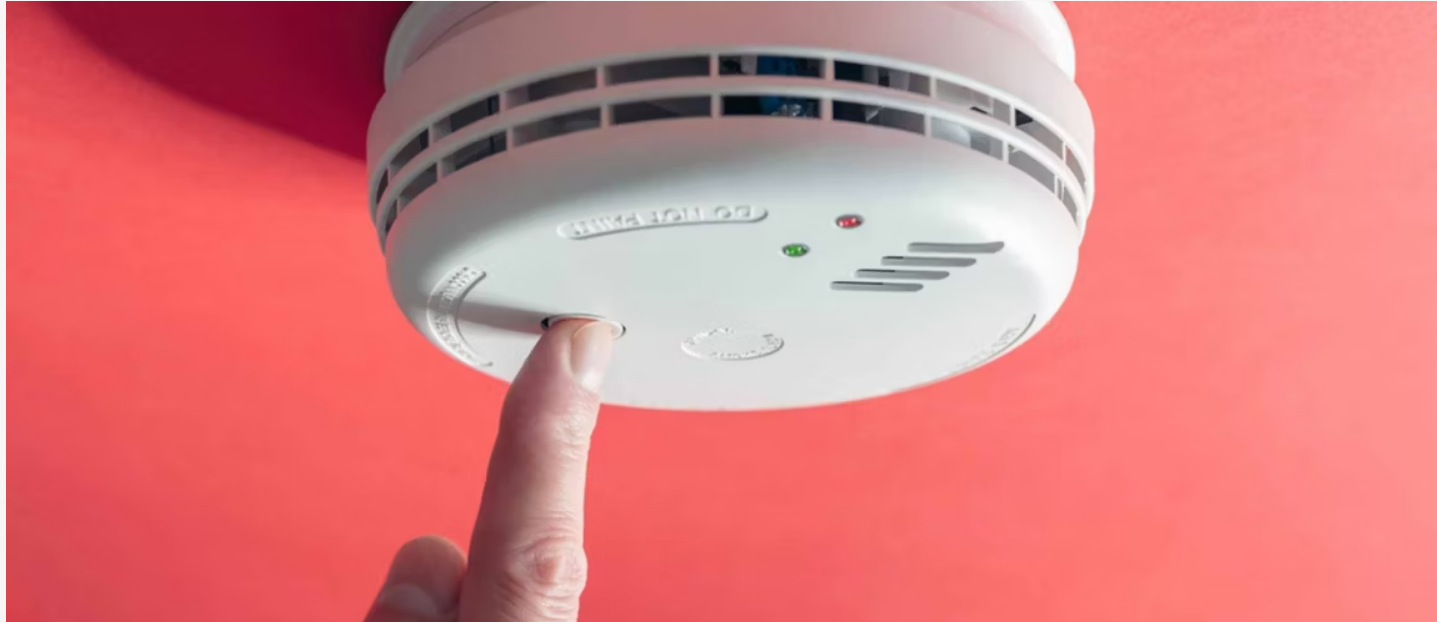
Nearly every modern smoke alarm has a “silence” or “hush” button. On most units, this is the same button used for testing. Press and hold it for 3 to 5 seconds. The alarm should stop temporarily. Some units require a quick press; others require holding until the LED flashes.
Important: The silence feature typically lasts 5 to 10 minutes. During this time, the alarm is still active. If smoke or steam remains in the air, the alarm will re-activate after the hush period ends. Use this time to ventilate more thoroughly.
Step 3: For Stubborn Alarms – Remove the Battery
If pressing the silence button does not work, or if the alarm immediately reactivates, remove the power source.
For battery-operated units: Twist the alarm counterclockwise to detach it from its mounting bracket. Disconnect the battery. The alarm should stop immediately. Do not leave the battery out. Replace it or reinstall the unit promptly.
For hardwired units: These have a backup battery compartment, usually behind a pull-out drawer or a hinged door on the side or back. Open the compartment and disconnect the battery. The alarm may still beep once or twice from residual power, but it should stop. If it continues, you may need to flip the circuit breaker for that specific alarm. This is rare.
Step 4: Use a Damp Cloth for Dust Sensitivity
Some photoelectric alarms are so sensitive that even after ventilation and battery removal, they continue to beep intermittently. In this case, gently wipe the exterior of the alarm with a slightly damp cloth to remove surface dust. Never spray cleaner directly into the slots. For deep dust inside, use a can of compressed air with the alarm removed and battery disconnected.
Step 5: Reset the Alarm
After silencing and addressing the cause, reset the alarm to ensure it returns to normal functioning mode. Reconnect the battery (for battery units) or reinsert the backup battery (for hardwired units). Press and hold the test button for 5 seconds until you hear a single beep. This confirms the alarm is operational. Reattach the unit to its mounting bracket.
For smart alarms, you may need to use the manufacturer’s app to clear a “latched alarm” state. Check your app for any pending notifications.
What If the Alarm Is Still Beeping After Silencing?
If you have followed all the steps above and the alarm continues to chirp or beep intermittently, you are likely dealing with one of these issues:
- – End-of-Life Warning: Most smoke alarms have a lifespan of 8 to 10 years. After that, they will beep or chirp to indicate replacement is needed. Look for a manufacture date on the back. If it is older than 8 years, replace the entire unit.
- – Residual Charge: Hardwired alarms with capacitors can hold a charge for several minutes after battery removal. Wait 5 minutes. The beeping should stop.
- – Linked Alarms: In hardwired systems, multiple alarms are interconnected. If one alarm triggered, others may continue beeping even after the source alarm is silenced. You may need to silence every unit or reset the entire system at the breaker panel.
- – Malfunction: If none of the above applies, the alarm is faulty. Replace it immediately. Do not leave a non-functional alarm installed.
How to Prevent Future False Alarms
Learning how to shut off fire alarm devices is valuable, but preventing false alarms is even better. Implement these strategies.
Relocate Alarms Appropriately
Move any smoke alarm installed within 10 feet of a cooking appliance to at least 10 to 15 feet away. In small kitchens, install a photoelectric alarm with a hush button specifically designed for cooking nuisance. Do not install alarms directly outside bathroom doors. Place them in hallways at least 3 feet from the door.
Upgrade to Photoelectric or Dual-Sensor Alarms
If you have ionization alarms near kitchens or bathrooms, replace them with photoelectric models. They are far less prone to cooking and steam false alarms while still providing excellent fire detection for smoldering fires.
Regular Cleaning
Every six months, vacuum your smoke alarms using a soft brush attachment. Clean the slots and vents. For hardwired units, turn off the circuit breaker first. For battery units, remove the battery before cleaning. Dust buildup is the leading cause of unexplained false alarms.
Use Range Hoods Properly
Whenever cooking that produces smoke or steam, turn on your range hood exhaust fan. If you do not have a range hood, open a kitchen window. This simple habit dramatically reduces false kitchen alarms.
Avoid Spraying Near Alarms
Hairspray, deodorant, air fresheners, and cleaning sprays can trigger photoelectric alarms. Apply these products in another room or away from ceiling-mounted units.
When to Replace Your Smoke Alarms
If you find yourself searching for how to shut off fire alarm devices multiple times per month, your alarms may simply be old or defective. Replace any alarm that:
- – Is more than 10 years old (8 years for some models).
- – False alarms more than once per month after cleaning.
- – Does not respond to the test button.
- – Has visible yellowing or cracks in the plastic housing.
- – Emits random chirps even with a fresh battery.
Standard battery-powered alarms cost $10 to $30. Smart alarms cost $50 to $150. The peace of mind and reduced nuisance are worth the investment.
What Not to Do
Never do the following, even when frustrated by a false alarm.
Do Not Remove the Battery Permanently
A smoke alarm without a battery is no alarm at all. House fires are unpredictable. The one night you forget to reinstall the battery could be the night a real fire starts.
Do Not Cover the Alarm
Taping a plastic bag or shower cap over an alarm is dangerous. It will prevent detection of real smoke. If an alarm is overly sensitive, replace it. Do not disable it.
Do Not Disconnect Hardwired Alarms at the Breaker
Flipping the breaker off for your smoke alarm circuit turns off every alarm in the house. This is extremely dangerous and often illegal. Use the hush button or battery disconnect instead.
Do Not Ignore Chirping
That single chirp every 30 to 60 seconds is not a false alarm. It is a warning. Replace the battery immediately. If chirping continues after battery replacement, replace the entire unit.
Special Cases: Smart and Interconnected Systems
Modern smart alarms add convenience but also complexity. If you have a smart alarm system from Nest, Ring, Kidde, or First Alert, you can often silence the alarm using the smartphone app before physically touching the unit. This is particularly useful for high ceilings.
However, be aware that smart alarms may be interconnected wirelessly or through your home network. Silencing one may not silence others. Check your app for a “silence all” or “emergency stop” feature.
For professionally monitored systems (like ADT, Vivint, or SimpliSafe), silencing the local alarm may not cancel the signal to the monitoring center. You may need to enter your security code or call the monitoring center to prevent a dispatch. Always know your emergency password and cancellation procedure.
Teaching All Household Members
Knowing how to shut off fire alarm systems should not be your secret alone. Every family member old enough to understand should be taught:
- – To never ignore an alarm or assume it is false.
- – To check for signs of real fire before silencing.
- – How to use the hush button.
- – Where the step stool is for reaching high alarms.
- – How to remove and replace batteries.
- – When to replace the entire unit.
Practice a false alarm drill. Run through the steps together. It takes five minutes and could prevent panic during a real event.
Final Check: After Silencing, Always Reset and Test
Once you have successfully silenced the alarm and resolved the trigger cause, you must verify the alarm still works. Press the test button. You should hear the full alarm sound. If you do not, the unit is damaged or the battery is incorrectly installed.
For hardwired units, test every interconnected alarm. If one fails, replace it immediately. Smoke alarms are sold separately but can be mixed with compatible models from the same manufacturer. Read compatibility labels carefully.