

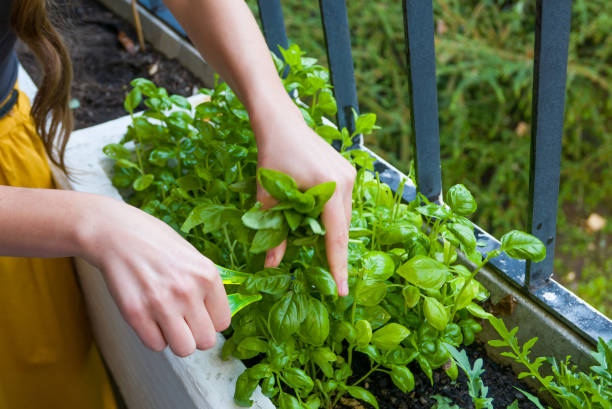
You don’t need a big backyard or fancy equipment to grow your own herbs. Whether you live in a small apartment, a townhouse, or just want a few fresh plants on your kitchen windowsill, a mini herb garden is one of the easiest (and most rewarding) projects you can start.
Fresh herbs not only add flavor to your meals but also provide simple home remedies for everyday wellness. Plus, growing them yourself helps you stay connected to nature—even if your “garden” fits on a single shelf.
Let’s explore how to start your own thriving mini herb garden, no matter how little space you have.
Choosing the Right Herbs for Small Spaces
When working with limited space, start small and smart. Some herbs adapt better to pots and partial sunlight than others. For compact spaces, choose varieties that grow well in containers and don’t require deep soil.
Great beginner herbs include:
- Basil: Loves warmth and sun, perfect for windowsills.
- Thyme: Hardy, drought-resistant, and aromatic.
- Mint: Easy to grow—almost too easy! Keep it in its own pot.
- Parsley: Grows well indoors with regular watering.
- Chives: Adds flavor to dishes and regrows quickly after trimming.
- Lemon balm: Calming and lightly citrusy, great for tea lovers.
If you’re curious about cultivating medicinal herbs for natural remedies, check out this beginner’s guide to growing medicinal herbs at home. It walks you through which plants to choose for healing, how to harvest them, and ways to use them safely.
Making the Most of Limited Light
Light is the lifeblood of any herb garden. If you have a sunny window that gets 4–6 hours of light, you’re already set. South- or west-facing windows are ideal.
No bright window? No problem. Small grow lights are inexpensive and make indoor gardening foolproof. Just set a timer for 12–14 hours a day.
Lighting tips:
- Rotate pots every few days to keep plants growing evenly.
- Avoid placing herbs too close to glass—cold drafts can stunt growth.
- Use reflective surfaces (like light-colored walls) to bounce sunlight around your plants.
The Perfect Pots and Soil
Herbs are surprisingly low-maintenance when you start them right. The container and soil you choose can make all the difference.
Container tips:
- Pick pots with good drainage holes to prevent root rot.
- For small setups, terracotta pots or recycled jars with gravel at the bottom work great.
- Window boxes or hanging planters help maximize space vertically.
Soil essentials:
Use a well-draining potting mix rather than heavy garden soil. Herbs dislike soggy roots, so a mix with perlite or sand works best. You can also add a pinch of organic compost for nutrients.
Watering the Right Way
Overwatering is one of the most common mistakes new herb gardeners make. Most herbs prefer soil that’s slightly dry between waterings.
A simple test: Stick your finger into the soil about an inch deep. If it feels dry, it’s time to water. If it’s still moist, wait another day or two.
Watering tips:
- Use room-temperature water to avoid shocking the roots.
- Water early in the day so leaves can dry before night.
- Herbs like basil or parsley need more frequent watering, while rosemary or thyme can go longer between waterings.
Feeding and Maintaining Your Herbs
Even small plants need fuel to thrive. Use an organic liquid fertilizer (like seaweed or compost tea) every few weeks to keep them strong.
When herbs start looking leggy, trim them back to encourage new growth. Regular pruning prevents them from getting woody and keeps flavors fresh.
Don’t be afraid to harvest! Snip herbs often and use them in your cooking or teas. The more you pick, the more they’ll grow.
Creative Space-Saving Ideas
No garden bed? No problem. You can turn nearly any small corner into an herb-growing spot with a little creativity.
Try these ideas:
- Hanging planters: Save counter space and add greenery to your kitchen.
- Vertical shelves: Mount shelves near a window for a tiered herb display.
- Mason jar gardens: Ideal for herbs that prefer moist soil, like mint or parsley.
- Wall pockets or repurposed shoe organizers: Great for balconies or patios.
- Even a small balcony or fire escape railing can support a mini herb box if you secure it safely.
Keeping Herbs Healthy Indoors
Indoor gardens need a little extra attention since natural conditions are limited. Here’s how to keep your plants happy:
- Airflow: Use a small fan or open a window occasionally to prevent mold.
- Temperature: Most herbs love 65–75°F (18–24°C).
- Pests: If you spot aphids or gnats, wipe leaves with a mild soap-water solution.
You can also move herbs outdoors for a few hours on warm days—they’ll appreciate the sunshine and breeze.
Enjoying the Harvest
The best part of growing herbs? Using them! Fresh herbs can elevate even the simplest dishes or add comfort to your wellness routine.
- Toss basil or parsley into pasta or soups.
- Infuse mint or lemon balm in water or tea for a refreshing drink.
- Dry excess herbs by hanging small bunches upside down in a cool, dry spot—perfect for storing over winter.
Having a few thriving plants on your windowsill can change the way you cook, relax, and even think about food.
Growing Green in Any Space
A mini herb garden doesn’t need much—just a little light, care, and curiosity. Once you see how easy it is to grow your own flavor and medicine, you might find yourself expanding to more pots, shelves, or even an outdoor patch.
If you’d like to learn how to grow herbs specifically for wellness and natural remedies, take a look at this guide to growing medicinal herbs at home. It’s full of insights on planting, harvesting, and using herbs for health.
Start small, stay consistent, and enjoy the journey—because every thriving sprig on your windowsill is proof that even the smallest spaces can grow something beautiful.