

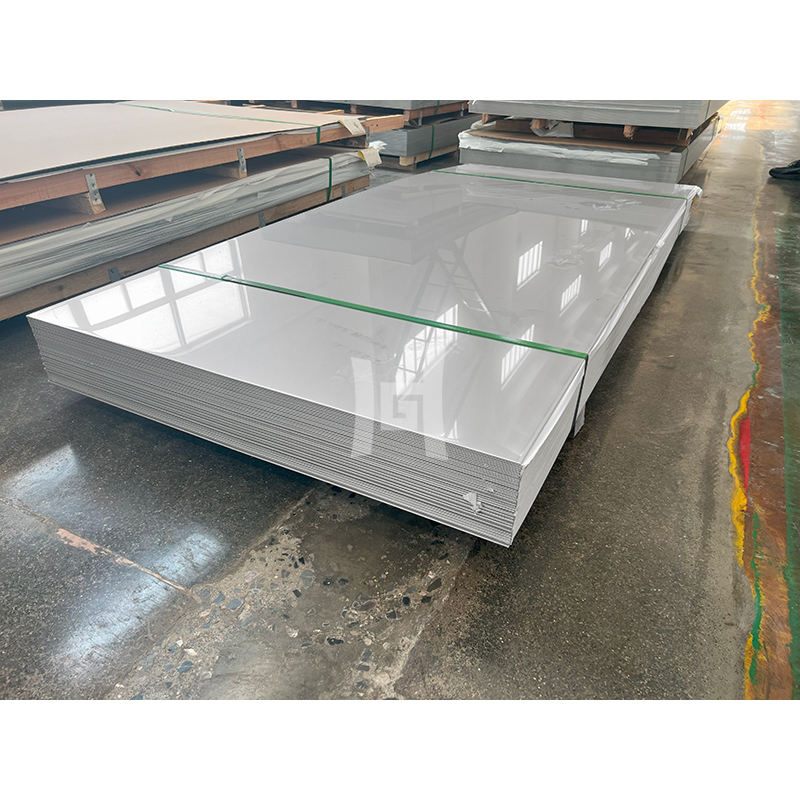
The stainless steel foil sheet has evolved into a cornerstone material for 21st-century manufacturing. From the intricate layers of micro-circuitry to the thermal shielding on modern spacecraft, its unique blend of pliability and structural resilience makes it indispensable.
While standard steel plates focus on bulk and mass, a foil sheet is engineered for precision. Often measured in microns, these ultra-thin materials retain the high-performance DNA of stainless steel—rust resistance, heat tolerance, and hygiene—in a form factor that can be wrapped, stamped, or etched.
Understanding the specific dimensions and metallurgical grades of stainless steel foil sheets is vital for any procurement manager or engineer. For a foundational look at the chemistry behind these metals, this overview of stainless steel explains the protective passive layer that prevents oxidation.
Defining the Stainless Steel Foil Sheet
A stainless steel foil sheet is a flat-rolled product that typically measures under 0.2 mm in thickness. Unlike traditional sheet metal, the production involves specialized cold-rolling mills that ensure a mirror-smooth finish and incredibly tight tolerances.
Key advantages include:
- Dynamic Flexibility: Ideal for curved surfaces or tight internal housings.
- Superior Surface Integrity: Free from the pits or scales found in thicker hot-rolled steel.
- Corrosion Immunity: Naturally resistant to moisture and chemical exposure.
- Mechanical Strength: Maintains high tensile ratings even at microscopic gauges.
For those exploring this material for the first time, our primer on what is stainless steel foil provides a perfect starting point.
Sizes and Dimensions
Foil sheets are rarely “one size fits all.” Because applications range from tiny medical sensors to massive industrial heat exchangers, customization is standard.
- Standard Widths: Typically range from 10 mm to 600 mm.
- Length Formats: Supplied in continuous coils for automated manufacturing or pre-cut sheets for manual assembly.
- Customization: Precision slitting allows for exact widths tailored to your machinery.
Explore our full inventory of formats on our products page.
Decoding Foil Sheet Gauges
In the world of precision foil, “gauge” is often replaced by direct decimal measurements in millimeters (mm) or microns (µm).
Thickness Reference Table
| Thickness (mm) | Microns (µm) | Primary Industry Application |
| 0.2 mm | 200 µm | Structural gaskets and automotive shims |
| 0.1 mm | 100 µm | General industrial spacing and barriers |
| 0.05 mm | 50 µm | EMI/RFI shielding for smartphones |
| 0.01 mm | 10 µm | Specialized laboratory sensors |
| 0.005 mm | 5 µm | Advanced micro-component engineering |
As the gauge decreases, the material becomes more reactive to environmental changes, requiring the expertise of precision stainless steel foil specialists to handle.
High-Performance Grades
Selecting the right alloy is just as important as the thickness.
- 301 Stainless Steel Foil: The choice for high-strength applications. It work-hardens quickly, making it ideal for precision springs. Learn more about 301 foil.
- 304 Stainless Steel Foil: The industry standard. It balances cost-effectiveness with excellent anti-corrosive properties. View 304 foil specs.
- 316L Stainless Steel Foil: Enhanced with molybdenum, this grade is the gold standard for marine and medical environments.
Critical Industrial Applications
The versatility of the stainless steel foil sheet allows it to cross multiple sectors:
- Electronics: Used as a substrate for flexible circuits and as a barrier against electromagnetic interference (EMI).
- Aerospace & Automotive: Provides lightweight thermal insulation and durable gaskets for exhaust systems.
- Medical: Serves as a sterile barrier and material for surgical instrument components.
- Energy: Essential for the bipolar plates in hydrogen fuel cells and solar panel assemblies.
For a deeper look at industrial use cases, browse our stainless steel foil products catalog.
The Manufacturing Cycle Shutterstock
The journey from a raw slab to a 10-micron sheet involves:
- Hot Rolling: Reducing the initial thickness of the steel slab.
- Cold Rolling: Multiple passes through precision rollers to achieve the final foil gauge.
- Annealing: Heat treating the foil to ensure it remains pliable and easy to work with.
- Finishing: Applying textures or polishes to meet client specifications.
This process ensures that every stainless steel foil sheet we produce meets global quality standards.
Sourcing and Consultation
Choosing the right material requires a balance of metallurgical knowledge and application insight. If you are developing a new prototype or need high-volume supply, our team is ready to assist through our contact page.
Summary FAQ
- What is the thinnest foil available? We can produce foils as thin as 0.005 mm for specialized tech.
- Is 304 or 316 better? 304 is great for general use, but 316 is necessary if you face heavy salt or chemical exposure.
- Where can I learn more? Check out our stainless steel foil homepage for the latest updates in our blog section.
Expert Insight: “In my 30 years as a supplier, I’ve seen that the smallest details in foil gauge can make or break a high-tech project. Precision isn’t just a goal; it’s a requirement.” — Ewan, CEO