

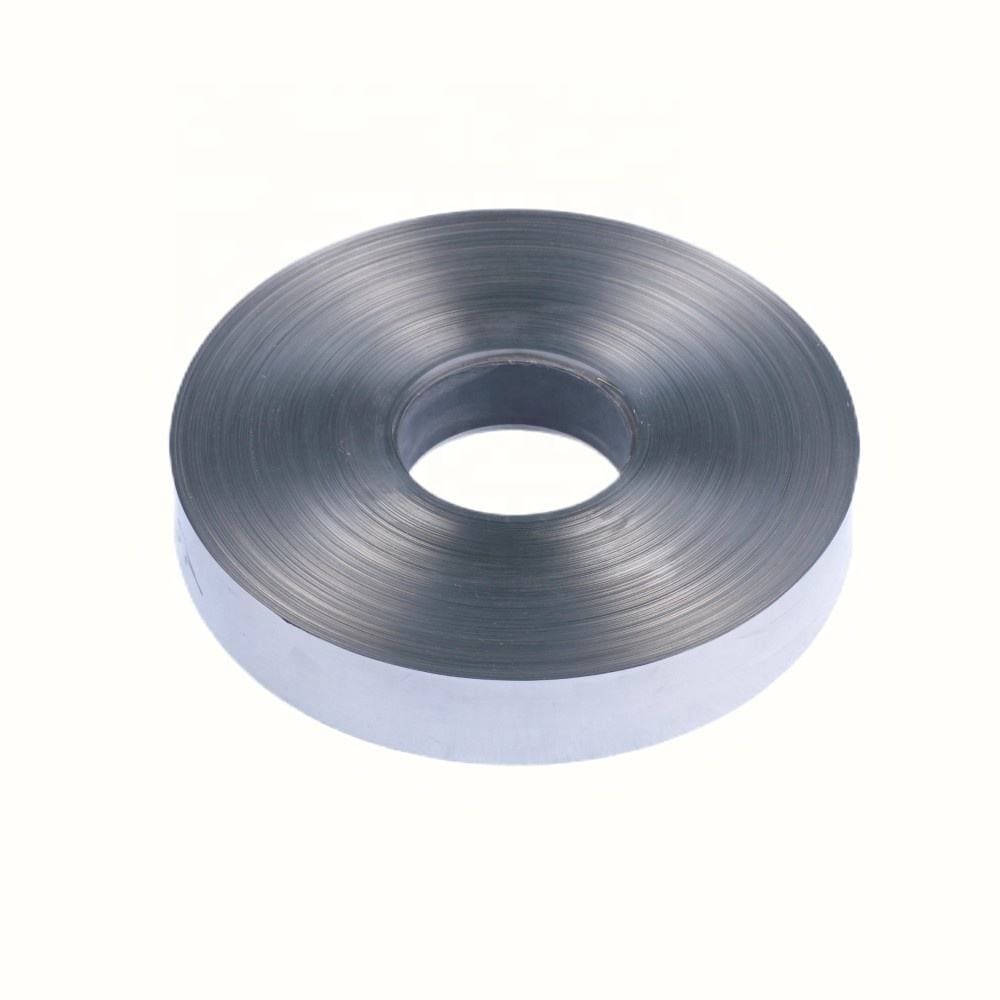
The worldwide stainless steel foil sector has experienced exceptional growth over the last decade, propelled by escalating demand from automotive, electronics, construction, and healthcare sectors. As manufacturers increasingly prioritize lightweight, corrosion-resistant materials with superior durability, stainless steel foil continues to gain prominence as an optimal solution. Grasping current market dynamics, emerging patterns, and future projections becomes crucial for businesses and stakeholders aiming to leverage this evolving landscape.
Contemporary industrial applications demand materials that combine strength with versatility. Consequently, stainless steel products have secured significant global traction. The market for ultra-thin stainless steel variants, particularly foil products, demonstrates impressive momentum as technological innovations enable manufacturers to produce thinner gauges without compromising quality. Additionally, environmental regulations and sustainability initiatives further accelerate adoption rates across multiple sectors.
Market Size and Regional Distribution
Industry analysis reveals that the global stainless steel foil sector reached approximately $2.8 billion in 2023, with experts forecasting expansion to $4.2 billion by 2030. This represents a compound annual growth rate (CAGR) of roughly 6.8 percent during the projection period. Multiple factors contribute to this upward trajectory, including expanding industrial manufacturing, rising demand for lightweight materials, and increased adoption in developing economies.
The Asia-Pacific region currently dominates global consumption, accounting for nearly 45 percent of total market share. China, Japan, and South Korea represent primary production and consumption centers, driven by robust automotive and electronics manufacturing sectors. Meanwhile, North America and Europe maintain steady demand, particularly in aerospace, medical devices, and specialized industrial applications. Understanding regional market dynamics helps businesses identify growth opportunities and optimize distribution strategies.
Key Applications Fueling Market Expansion
Automotive Sector Innovations
The automotive industry stands as one of the largest consumers within the stainless steel foil market. Vehicle manufacturers increasingly incorporate these materials into catalytic converters, exhaust systems, and battery components. Electric vehicle production, specifically, drives substantial demand for specialized foil products used in battery separators and thermal management systems. As global EV sales continue climbing, this segment promises sustained growth potential.
Electronics Manufacturing Advancements
Electronics manufacturing represents another critical application area. Smartphones, tablets, laptops, and other consumer devices utilize stainless steel foil in electromagnetic shielding, battery components, and structural elements. The material’s excellent conductivity, combined with its durability, makes it indispensable for modern electronics. Furthermore, the ongoing miniaturization trend in electronic devices necessitates thinner, more precise foil products, creating opportunities for manufacturers with advanced production capabilities.
Medical and Pharmaceutical Applications
Medical and pharmaceutical industries also demonstrate increasing adoption. Surgical instruments, medical implants, and pharmaceutical packaging rely on stainless steel foil’s biocompatibility and corrosion resistance. Sterilization requirements in healthcare settings make stainless steel an ideal choice, as it withstands repeated autoclaving without degradation. Additionally, the COVID-19 pandemic highlighted the importance of sterile packaging, subsequently boosting demand for medical-grade stainless steel materials.
Architectural and Construction Uses
Construction and architecture applications, though representing a smaller market segment, continue growing steadily. Designers and architects appreciate stainless steel foil for decorative elements, cladding, and specialized roofing applications. The material’s aesthetic appeal, combined with minimal maintenance requirements, makes it attractive for high-end commercial and residential projects. Stainless steel products offer architects creative flexibility while ensuring long-term performance.
Comparative Analysis: Stainless Steel Foil vs Alternative Materials
| Feature | Stainless Steel Foil | Aluminum Foil | Composite Materials |
|---|---|---|---|
| Corrosion Resistance | Excellent | Poor | Moderate |
| Heat Resistance | High | Low | Medium |
| Recyclability | 100% | 100% | Limited |
| Strength | Superior | Weak | Variable |
| Cost | Moderate-High | Low | High |
Market Trends Shaping Industry Evolution
Sustainability initiatives significantly influence the stainless steel foil market trajectory. Unlike many alternative materials, stainless steel achieves 100 percent recyclability without quality loss. This characteristic aligns perfectly with circular economy principles and corporate environmental goals. Consequently, manufacturers emphasizing sustainable production practices gain competitive advantages, particularly when serving environmentally conscious customers.
Technological innovation drives continuous market evolution. Advanced rolling techniques enable producers to create thinner foils with improved surface quality and tighter thickness tolerances. Precision manufacturing capabilities allow companies to meet increasingly stringent customer specifications across various industries. Research and development investments focus on developing specialized alloys for niche applications, expanding the overall market potential.
Digital transformation affects supply chain management and customer engagement. Manufacturers adopt smart factory technologies, implementing IoT sensors and AI-powered quality control systems. These improvements enhance production efficiency while reducing defects and waste. Moreover, e-commerce platforms enable smaller buyers to access stainless steel foil products directly, democratizing market access and creating new distribution channels.
Raw material price volatility presents ongoing challenges for market participants. Nickel and chromium, essential components in stainless steel production, experience periodic price fluctuations based on global supply-demand dynamics. Steel price fluctuations require manufacturers to implement sophisticated procurement strategies and maintain transparent pricing mechanisms with customers. Understanding these market dynamics helps businesses navigate uncertainty effectively.
Regional Market Analysis and Growth Opportunities
Asia-Pacific dominates the stainless steel foil market, driven primarily by China’s massive manufacturing base. Chinese producers supply both domestic markets and export significant volumes globally. However, quality concerns and trade policies sometimes create opportunities for premium suppliers in other regions. Japan and South Korea maintain reputations for high-quality production, serving specialized applications requiring superior material properties.
North American market dynamics differ considerably from Asian markets. While production capacity remains substantial, the region focuses increasingly on specialized grades and custom solutions rather than commodity products. United States manufacturers serve aerospace, medical, and high-tech electronics sectors, where performance specifications justify premium pricing. Additionally, precautions for purchasing from stainless steel manufacturers in China have become important considerations for North American buyers seeking reliable suppliers.
European markets emphasize quality certifications and environmental compliance. EU regulations regarding material composition and manufacturing processes create higher barriers to entry but ensure consistent product quality. German, Italian, and Swedish producers maintain strong positions in premium market segments, leveraging engineering expertise and established customer relationships. Brexit introduced some market uncertainty, though overall demand remains robust across the continent.
Emerging markets in Latin America, Africa, and Southeast Asia represent significant growth opportunities. Infrastructure development, rising manufacturing activity, and growing middle-class populations drive increased stainless steel consumption. However, these markets often face challenges including limited local production capacity, import dependencies, and price sensitivity. Companies entering these regions must adapt strategies to local market conditions while maintaining quality standards.
The Dominance of 304 Stainless Steel Foil
Among all grades, 304 stainless steel foil remains the most widely used material in the stainless steel foil market. Its balanced composition of chromium and nickel delivers excellent corrosion resistance, formability, and weldability.
Manufacturers prefer 304 stainless steel foil because it performs consistently across diverse environments. Whether used in food processing equipment, heat exchangers, or electronic shielding, this grade offers predictable results without the high cost of specialty alloys.
In fact, many buyers sourcing from trusted suppliers such as Stainless Steel Foil rely heavily on 304 stainless steel foil due to its availability, stable pricing, and broad compliance with international standards.
Strategic Sourcing and Supplier Selection
Choosing the right supplier directly impacts product performance. Buyers searching for dependable sourcing guidance can explore this detailed resource on where to buy stainless steel sheets and foil. For comprehensive market insights and analysis, industry professionals frequently reference specialized reports like the one available at https://stainlesssteelfoil.com/stainless-steel-foil-market/.
Additionally, the Stainless Steel Foil blog offers ongoing insights into material selection, applications, and industry updates. For tailored inquiries, contacting experts directly often saves time and cost.
Future Growth Projections and Market Outlook
Industry analysts expect the stainless steel foil market to grow steadily over the next decade. Expansion in electronics, renewable energy, medical devices, and food safety infrastructure will continue to drive demand.
While pricing volatility remains a concern, technological innovation and global industrial growth provide strong fundamentals. Suppliers who focus on quality, consistency, and transparency will lead the next phase of market expansion.
Conclusion
The stainless steel foil market demonstrates robust growth prospects driven by diverse application expansion, technological innovation, and sustainability trends. While challenges including raw material price volatility, trade policy uncertainty, and competitive pressures exist, fundamental demand drivers remain strong across automotive, electronics, medical, and industrial sectors. Regional market dynamics vary considerably, with Asia-Pacific maintaining dominant positions while North America and Europe focus on premium segments. Success requires strategic emphasis on quality, innovation, customer collaboration, and operational excellence. As industries increasingly prioritize lightweight, durable, and recyclable materials, stainless steel foil maintains compelling value propositions. Market participants positioning themselves through technological leadership, geographic diversification, and sustainability initiatives will capture disproportionate growth as the stainless steel foil market continues expanding throughout the forecast period.
Frequently Asked Questions
What factors drive growth in the stainless steel foil market?
The stainless steel foil market grows due to rising demand from electronics, healthcare, renewable energy, and food safety applications worldwide.
Why is 304 stainless steel foil used so widely?
Manufacturers prefer 304 stainless steel foil because it balances corrosion resistance, formability, availability, and cost efficiency across many industries.
How do steel prices affect the stainless steel foil market?
Raw material costs directly influence the stainless steel foil market, especially nickel prices and global steel supply trends.
Which region dominates the stainless steel foil market?
Asia-Pacific currently leads the stainless steel foil market due to strong manufacturing capacity and export activity.
Is stainless steel foil suitable for food applications?
Yes, the stainless steel foil market supports food processing because stainless steel resists corrosion and contamination effectively.