


In modern electrical and solar installations, protecting cables and wiring is essential to ensure both safety and long-term performance. Conduit systems play a vital role in preventing damage and maintaining reliability. Among the most effective solutions are split corrugated conduit and solar conduit, both designed to offer superior protection and versatility in harsh Australian conditions. These conduits are built to withstand heat, moisture, UV radiation, and physical impact, making them indispensable for both electricians and solar installers.
Understanding Split Corrugated Conduit
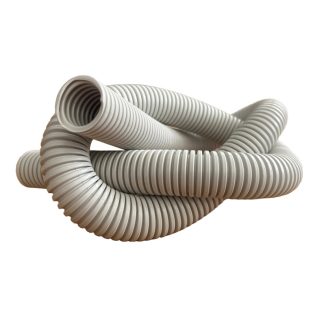
Split corrugated conduit is a flexible, ribbed plastic tubing used to shield electrical wiring and cables. The “split” design refers to a pre-cut opening that runs along the length of the conduit, allowing cables to be inserted easily without needing to disconnect or re-thread them. This feature makes installation faster and more efficient, especially in retrofitting or maintenance projects where cables are already in place.
Typically made from UV-stabilised polypropylene or polyethylene, split corrugated conduit is lightweight, durable, and resistant to corrosion. Its corrugated structure gives it exceptional flexibility, allowing it to bend around corners, fit into tight spaces, and absorb impact without cracking. This makes it suitable for both indoor and outdoor applications, including automotive wiring, industrial equipment, and residential electrical systems.
One of the key benefits of split conduit is its ability to be opened and closed repeatedly without losing structural integrity. Electricians use it extensively in environments where cables need to be accessed or replaced periodically. It’s also ideal for protecting data cables, communication lines, and low-voltage systems in office and commercial installations.
The Role of Solar Conduit in Renewable Energy Systems
As Australia’s renewable energy sector expands, solar installations have become increasingly common across residential and commercial properties. Solar systems involve complex wiring networks connecting photovoltaic (PV) panels, inverters, and batteries — all of which must be protected from environmental exposure. The solar conduit is specifically designed for this purpose.
Solar conduit systems are built to withstand extreme outdoor conditions, including prolonged UV exposure, rain, and temperature fluctuations. Unlike standard electrical conduits, solar conduits feature additional resistance to degradation from sunlight and heat, ensuring long-term performance and safety in rooftop installations. They also help maintain compliance with Australian electrical standards, which require solar cabling to be shielded against mechanical and environmental damage.
Solar conduits are available in rigid or flexible forms, depending on the nature of the installation. Flexible types allow easy routing around roof structures, while rigid conduits provide enhanced protection against physical impact. Their smooth internal surfaces make cable pulling easier, reducing installation time and minimising the risk of cable insulation damage.
Applications and Benefits in Modern Electrical Work
Both split corrugated conduit and solar conduit serve crucial roles in various electrical applications. Split conduit is frequently used in automotive and machinery wiring, where vibration and movement can cause cables to wear over time. Its flexibility and easy-access design make it ideal for vehicles, manufacturing plants, and electronic systems that require frequent maintenance or modification.
In residential and commercial buildings, split corrugated conduit is used to organise and protect electrical wiring within walls, ceilings, and outdoor installations. It’s particularly useful in renovation projects, allowing existing wiring to be protected without major structural work.
Solar conduit, on the other hand, is essential in solar energy systems, providing protection for DC cabling between solar panels and inverters. It prevents exposure to UV rays, moisture ingress, and damage caused by pests or physical contact. Its durability also extends the lifespan of solar installations, ensuring that electrical efficiency and safety are maintained over years of operation.
Why Quality Matters in Conduit Selection
Not all conduits offer the same level of protection or durability. Choosing high-quality split corrugated and solar conduit ensures that wiring systems remain safe and efficient for longer periods. Inferior materials can become brittle, crack under heat, or degrade when exposed to sunlight, leading to costly electrical faults.
Australian installers prefer UV-stabilised, flame-retardant conduit materials that meet AS/NZS standards. These conduits assure electrical hazards and environmental damage, while also complying with energy safety regulations. Suppliers offering certified conduits often back their products with performance guarantees, giving electricians and property owners added confidence in their installations.
Installation and Maintenance Considerations
Proper installation ensures that conduit systems perform at their best. When installing split corrugated conduit, it’s important to ensure that the split section is positioned downward or away from direct exposure to rain and debris. This prevents water or dust from entering the conduit and affecting the wiring inside. Secure mounting clips or saddles should be used to keep the conduit firmly in place and prevent vibration damage.
For solar conduit, installation should follow industry best practices to maintain cable integrity. All bends and junctions must be sealed properly, and transitions between rooftop and internal wiring should use appropriate weatherproof fittings. Regular inspection of solar conduit helps detect early signs of wear, particularly in areas exposed to UV or mechanical stress.
Conclusion
The use of split corrugated conduit and solar conduit has become essential in Australia’s electrical and renewable energy sectors. These conduits provide unmatched flexibility, durability, and safety, ensuring that cables and wiring remain protected against harsh conditions and everyday wear.