

Minimalist architecture continues to redefine modern homes, commercial developments, and outdoor living environments. Clean lines, unobstructed vistas, and understated materials have become the benchmarks of luxury property design. Consequently, frameless glass railing systems have surged in demand, becoming one of the most sought-after features in contemporary construction.
At the heart of these sleek architectural features sits the Slim Profile Base Shoe. This low-visibility structural anchor secures heavy glass panels from below while maintaining a nearly invisible footprint. It delivers the uncompromising structural strength required by international building codes without interrupting the fluid, open aesthetic that property owners demand.
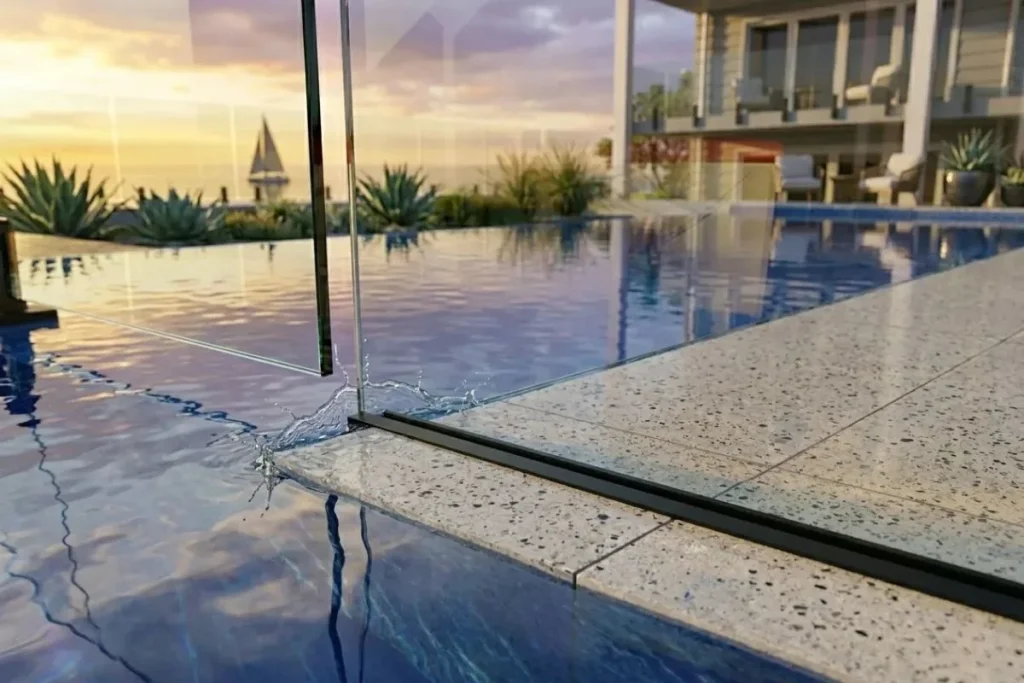
Today’s architects and developers are moving away from bulky traditional hardware. Instead, they favor streamlined engineering solutions that maximize natural light, preserve panoramic sightlines, and promote visual openness.
This comprehensive guide breaks down how a slim profile base shoe operates, its critical role in minimalist design, and how to select the right architectural hardware for long-term safety and performance.
Why Minimalist Railing Systems Dominate Modern Design
The rapid evolution of contemporary design places a premium on visual simplicity. Property owners want both interior spaces and outdoor decks to feel more expansive, brighter, and organically connected to their surroundings.
Traditional railing systems frequently obstruct scenic views and introduce unnecessary visual clutter. Thick wooden posts, heavy steel frames, and bulky brackets can quickly make a newly renovated or modern building feel dated.
A slim base shoe expertly solves this challenge by anchoring the glass panels securely along their bottom edge. Because the structural hardware remains hidden or sits extremely low to the ground, the glass itself becomes the primary design feature.
[Glass Panel View] -> Fully Unobstructed Sightline
       ||
       ||  <- Tempered/Laminated Safety Glass
       ||
[Slim Base Shoe]  -> Compact, Low-Profile Floor Mount (Hidden or Minimal Hardware)
===================================================================================
This structural approach is highly effective for a variety of layouts, including:
- Elevated balconies and cantilevers
- Rooftop terraces and sky lounges
- Frameless pool fencing
- Floating staircases and structural mezzanines
- Expansive patio and deck railings
- High-traffic commercial lobbies
By removing vertical posts, designers can create a completely seamless transition between indoor living zones and outdoor landscapes.
Defining the Slim Profile Base Shoe
A slim profile base shoe is an engineered, low-profile channel layout designed to grip and support heavy frameless glass panels. Mounted directly to or recessed within the subfloor, it minimizes the visible metal profile at the foot of the railing system.
Unlike traditional heavy-duty U-channels, which feature thick, bulky walls, slim profile alternatives reduce visible metal mass by optimizing internal clamping mechanics without losing structural rigidity. Most premium systems utilize architectural-grade aluminum extrusions or high-tensile stainless steel to ensure lifetime durability and weather resistance.
Design Benefits vs. Architectural Results
| Design Benefit | Architectural Result |
| Minimal hardware footprint | Elimination of unsightly vertical posts and bulky clamps |
| Continuous glass spans | Unbroken panoramic views and clean structural lines |
| Ultra-thin metal profile | Complements minimalist, high-end architectural aesthetics |
| True frameless engineering | Elevates property valuation and creates a luxury feel |
The Homeowner’s Perspective: Light and Spaciousness
Visual minimalism has evolved from a niche design trend into a core demand for residential real estate. Homeowners want clean, uncluttered spaces that optimize well-being. Bulky barriers run directly counter to this philosophy.
Implementing a slim profile base shoe makes the supporting metalwork virtually disappear from a distance. This gives the illusion of floating glass panels, providing continuous views of oceans, city skylines, or manicured gardens. This benefit is particularly critical for luxury estates where the surrounding scenery represents a major component of the property’s value.
Beyond aesthetics, residential property owners appreciate how these systems:
- Diffuse natural light: Sunlight travels deeper into living areas rather than being blocked by thick balusters.
- Enhance curb appeal: The exterior facade remains clean, sharp, and distinctly high-end.
- Unify layout flow: They create an illusion of greater square footage by removing hard visual boundaries between rooms and patios.
To explore how these components integrate into complete architectural setups, you can learn more about configuring a cohesive railing system.
Material Engineering: Aluminum vs. Stainless Steel
The choice of base shoe material dictates how well the railing handles heavy structural loads, fluctuating temperatures, and environmental moisture over time. A premium base shoe must perform flawlessly under continuous lateral pressure.
Aluminum Base Shoes
Extruded aluminum is the industry standard for most residential and commercial projects. Manufacturers favor specific architectural alloys (such as 6063-T6 or 6061-T6) due to their exceptional strength-to-weight ratio and natural resistance to atmospheric oxidation.
- Lightweight handling: Reduces structural load on building edges and simplifies installation logistics.
- Corrosion resistance: Forms a protective oxide layer that shields the structural metal from rain and humidity.
- Advanced finishes: Easily anodized or powder-coated to match window frames or exterior trim colors.
Stainless Steel Systems
For specialized applications, stainless steel base shoes offer unparalleled tensile strength and a premium polished or brushed aesthetic.
Architects often choose stainless steel for high-impact commercial areas or when designing complex, mixed-material guardrails that combine glass with tensioned cable accents. However, special care must be taken in outdoor environments; for instance, proximity to swimming facilities requires understanding how pool chemicals impact glass spigots and base hardware to prevent surface pitting and tea-staining.
Slim Profile Base Shoe vs. Traditional U-Channel
While both styles serve to anchor glass panels along the floor, their engineering philosophies and visual impacts differ significantly.
| Engineering Feature | Slim Profile Base Shoe | Traditional U-Channel |
| Visible Height | Extremely low profile; often flush-mounted | Tall, heavy vertical metal profile |
| Visual Weight | Sleek, light, and complementary | Industrial, blocky, and dominating |
| Sightline Integrity | Maximized transparency | Interrupted at the base floor line |
| Clamping Mechanism | Internal dry-glaze wedge/clamping systems | Often requires wet-glaze grout or bulky exterior bolts |
| Project Fit | Premium luxury and minimalist projects | Standard commercial utility or industrial warehouses |
Structural Integrity, Engineering, and Glass Selection
A minimalist aesthetic must never compromise user safety. Every slim base shoe is engineered to withstand substantial lateral forces, including high wind loads, sudden impacts, and continuous handrail pressure.
 Lateral Force (Wind/Impact) --->  ||
                                   ||  <- Safety Glass Panel
                                   ||
                              =====||=====
                              |  [Wedge] | <- Internal Clamping System
                              |  [Shoe]  | <- Slim Profile Base Shoe
                              ============
                                   ||
                             [Anchor Bolts] -> Secured into Substrate
To achieve code compliance, the base shoe must be paired with the correct glass specification. Most local building regulations mandate the use of heavy-duty safety glass tailored to the specific application:
- 10mm to 12mm Tempered Glass: Frequently utilized for low-traffic interior staircases or residential partitions.
- 15mm Tempered Glass: Chosen for robust residential guardrails and standard commercial installations.
- Laminated Safety Glass: Highly recommended—and often legally required—for elevated balconies and high-wind zones. Utilizing engineered laminated glass for frameless railings ensures that if a glass pane shatters under extreme impact, the interlayer holds the fragments securely in place, maintaining a protective barrier until replaced.
Key Applications in Modern Architecture
Elevated Balconies and Rooftop Patios
Balconies are the premier application for slim-profile glass balustrades. By removing thick horizontal bottom rails, developers can deliver panoramic city or ocean views directly from a seated position inside the property.
Luxury Pool Enclosures
Traditional pool fences can slice a backyard into small, visually restrictive segments. A frameless glass fence anchored by a compact base shoe preserves open backyard vistas, allowing parents to easily supervise pool areas while matching high-end outdoor landscaping.
Commercial Lobbies and Staircases
In commercial environments like luxury hotels, corporate headquarters, and retail centers, glass guardrails project an aura of transparency and prestige. Specifying heavy-duty slim shoes allows developers to meet strict public safety requirements while maximizing available light. For multi-story commercial projects, integrating these systems along structural steps requires specific layout planning, as outlined in this guide on glass railing for commercial staircases.
Best Practices for Professional Installation
The long-term performance and alignment of a frameless glass system depend entirely on precision installation. Even the highest quality base shoe will fail to deliver the desired aesthetic if installation steps are rushed.
- Substrate Anchoring: The base shoe must be bolted securely into solid structural concrete or reinforced steel framing. Standard wood blocking is rarely sufficient unless engineered specifically for heavy lateral loads.
- Laser Alignment: Minimalist design leaves zero room for error. Installers must use precision laser levels to ensure the floor channel is perfectly straight. A tiny variance at the base translates into highly noticeable alignment gaps at the top of the glass panels.
- Water Management and Drainage: For outdoor installations, rainwater must not be allowed to collect inside or behind the base channel. Installers must utilize dedicated drainage spacers or specify base shoes with integrated weep holes to divert moisture away from building structures.
Long-Term Maintenance and System Upkeep
One of the primary benefits of investing in a premium glass railing system is its remarkably low maintenance schedule compared to traditional wood or iron systems that require frequent painting, staining, or rust remediation.
To maintain pristine optical clarity and structural performance, property owners should follow a simple routine:
- Glass Care: Wash panels periodically with standard clean water and mild, non-abrasive dish soap to remove dust and environmental film.
- Hardware Inspections: Conduct annual visual checks of the base shoe to ensure isolation gaskets and internal clamping wedges remain securely seated.
- Debris Clearance: Keep the narrow gap between the glass panel and the edge of the shoe free of dirt, leaves, or standing water to ensure drainage paths remain clear.
Summary
The architectural shift toward open, transparent, and light-filled spaces has made the Slim Profile Base Shoe an indispensable component in modern construction. By concealing structural supports and focusing all visual attention on the glass panels, this hardware solution fulfills the core principles of minimalist design without compromising on occupant safety.
Whether you are designing an expansive coastal deck, a modern commercial interior, or a secure pool enclosure, a properly engineered and professionally installed slim base shoe delivers an elegant, high-performance solution that elevates property value and withstands the elements.
For detailed product specifications, custom engineering resources, or tailored project recommendations, please visit the official URailing Product Page or reach out directly to our technical support team via our URailing Contact Page.