
Ever found yourself staring at a mountain of rubbish after a big cleanout, wondering how on earth you’re going to get rid of it all? Perhaps you’re knee-deep in a renovation project, or maybe you’ve finally tackled that long-overdue garage declutter. Whatever the situation, one question keeps popping up: what’s the best way to deal with all this waste?
Choosing the right skip bin might seem straightforward at first glance. After all, it’s just a big metal container, right? Well, not quite. The reality is that selecting the wrong size or type can cost you more money, cause headaches with council regulations, or even result in your waste being rejected. That’s why making an informed decision from the start is absolutely key.
In this guide, we’ll walk you through everything you need to know about skip bin hire in Australia. From understanding the different sizes available to figuring out what you can actually throw in them, we’ve got you covered. You’ll learn how to assess your needs, compare prices, and avoid common pitfalls that catch many first-timers off guard. By the end, you’ll feel confident booking the perfect skip bin for your project, saving both time and money in the process.
What Is a Skip Bin and How Does It Work?
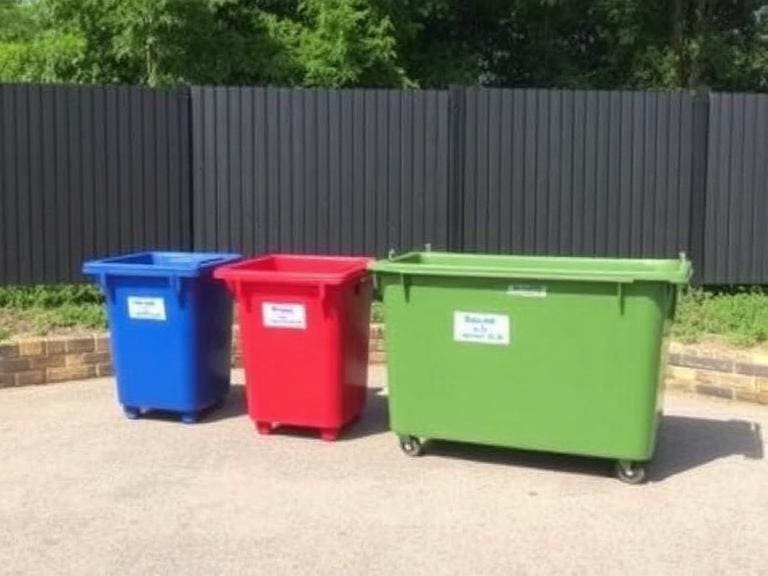
A skip bin is essentially a large, open-topped waste container designed for collecting and transporting rubbish. These sturdy bins come in multiple sizes and are delivered directly to your property, where they remain until you’ve filled them up. Once you’re done, the hire company collects the bin and takes your waste away for proper disposal or recycling.
Understanding Skip Bin Hire Services
Skip bin hire services operate on a simple model. You book a bin, choose your size and waste type, and select your hire period. The company delivers the bin to your specified location, whether that’s your driveway, front yard, or even the street (with council permission). Most providers offer flexible scheduling, allowing you to pick delivery and collection times that suit your project timeline.
How Long Can You Keep a Skip Bin?
Standard hire periods typically range from 3 to 7 days, though this varies between companies. If you need more time, most providers offer extensions for an additional daily fee. It’s worth noting that longer-term hires are often available for bigger construction projects, so don’t hesitate to ask about your options.
Skip Bin Sizes Explained: A Complete Breakdown
Getting the size right is probably the most important decision you’ll make. Too small, and you’ll need a second bin. Too large, and you’re paying for space you don’t use.
Mini Skip Bins (2-3 Cubic Metres)
Perfect for small cleanouts, mini skips handle roughly 2-3 trailer loads of waste. They’re ideal for single-room declutters, small garden tidy-ups, or minor bathroom renovations. These compact bins fit easily in tight spaces, making them popular for suburban homes with limited driveway space.
Medium Skip Bins (4-6 Cubic Metres)
The most commonly hired size, medium bins suit most residential projects. Think kitchen renovations, multiple room cleanouts, or larger garden makeovers. A 4-cubic-metre bin holds approximately 4-5 trailer loads, while a 6-cubic-metre option bumps that up to around 7 trailer loads.
Large Skip Bins (7-10 Cubic Metres)
When you’re tackling serious work, large skip bins deliver the capacity you need. Major home renovations, whole-house cleanouts, or significant landscaping projects all call for this size range. These bins can handle roughly 8-12 trailer loads of waste.
Extra-Large Skip Bins (11+ Cubic Metres)
Commercial projects, demolitions, and large-scale construction work require extra-large bins. These heavy-duty options can accommodate massive volumes of waste, though you’ll need adequate space for delivery and placement.
What Size Skip Bin Do I Need for a House Cleanout?
For a standard three-bedroom house cleanout, a 6-cubic-metre bin usually does the trick. However, if you’re clearing deceased estates or homes with significant accumulated belongings, consider stepping up to an 8 or 10-cubic-metre option.
Types of Skip Bins for Different Projects
Not all skip bins accept the same materials. Choosing the right type ensures proper waste processing and helps you avoid penalty fees.
General Waste Skip Bins
These all-rounders accept most household rubbish, including furniture, clothing, toys, and general clutter. They’re your go-to choice for standard home cleanouts.
Green Waste Skip Bins
Specifically designed for organic garden waste, these bins take grass clippings, branches, leaves, and untreated timber. Many providers offer discounted rates since green waste is easily composted or mulched.
Construction and Demolition Skip Bins
Heavy materials like concrete, bricks, tiles, and timber need dedicated construction bins. These are built to handle the weight and are processed at specialised facilities.
Mixed Waste Skip Bins
When your project generates multiple waste types, mixed waste bins offer flexibility. They accept combinations of general, green, and light construction waste, though specific rules apply.
Which Skip Bin Is Best for Renovation Waste?
Renovation projects typically generate a mix of materials. A construction skip bin handles the heavy stuff, while a mixed waste option works well for lighter renovation debris combined with old furnishings.
What Can and Cannot Go in a Skip Bin?
Understanding what’s allowed saves you from rejected loads and additional charges.
Accepted Materials
Most skip bins welcome household furniture, appliances (with some exceptions), garden waste, timber, concrete, bricks, soil, and general rubbish. Always confirm with your provider, as rules vary between companies.
Prohibited Items and Hazardous Waste
Certain items are banned from skip bins across Australia. These include asbestos, chemicals, paints, oils, batteries, gas bottles, tyres, and medical waste. Food waste is also typically prohibited as it attracts pests.
Can You Put Mattresses in a Skip Bin?
Many providers accept mattresses, though additional fees often apply due to the difficulty of recycling them. Always check beforehand and factor this cost into your budget.
How Much Does Skip Bin Hire Cost?
Prices vary considerably based on several factors, so it pays to shop around.
Factors Affecting Skip Bin Prices
Size is the biggest cost driver, with larger bins commanding higher fees. Your location matters too—metropolitan areas often cost more than regional zones. Waste type affects pricing, as heavy materials like concrete incur premium rates. Hire duration and delivery distance also influence the final bill.
Cheap Skip Bin Hire: Is It Worth It?
Rock-bottom prices sometimes come with hidden catches—strict weight limits, surprise surcharges, or unreliable service. While saving money matters, choosing a reputable provider with transparent pricing often delivers better value overall.
How to Get the Best Value for Your Money
Compare quotes from at least three providers. Ask about included weight allowances, excess tonnage charges, and any potential additional fees. Booking during off-peak periods sometimes yields discounts.
Residential vs Commercial Skip Bin Hire
Different projects have different requirements and understanding these helps you make smarter choices.
Skip Bins for Home Projects
Homeowners typically need bins for decluttering, renovations, or garden projects. Smaller sizes, flexible hire periods, and straightforward waste types characterise most residential hires.
Skip Bins for Builders and Tradespeople
Commercial users often require ongoing arrangements, larger capacities, and specialised waste handling. Many providers offer trade accounts with streamlined booking and invoicing.
Do I Need a Council Permit for a Skip Bin?
If your bin sits on private property—your driveway or yard—no permit is needed. However, placing a skip bin on council land, like the street or nature strip, typically requires a permit. Requirements and fees vary between councils, so check your local regulations.
How to Choose the Right Skip Bin for Your Needs
Making the right choice involves assessing several key factors.
Assessing Your Waste Type and Volume
Start by cataloguing what you’re disposing of. Separate heavy materials from general rubbish. Estimate volume by thinking in trailer loads—each trailer load roughly equals one cubic metre.
Considering Access and Placement
Measure your available space carefully. Check for overhead obstacles like powerlines or tree branches. Make sure that delivery trucks can access your property safely.
Comparing Skip Bin Hire Companies
Read reviews, check credentials, and ask questions. Reputable providers offer clear pricing, responsive customer service, and reliable delivery windows.
Common Mistakes to Avoid When Hiring a Skip Bin
Overfilling is the most frequent error—waste must sit below the bin’s rim for safe transport. Underestimating volume leads to costly second hires. Forgetting to check prohibited items results in rejected loads and penalty fees. Not confirming delivery access causes frustrating delays.
Eco-Friendly Waste Disposal: Where Does Skip Bin Waste Go?
Responsible skip bin companies prioritise recycling and resource recovery. Metals, timber, concrete, and green waste are typically separated and processed accordingly. Only genuinely unrecyclable materials end up in landfill, minimising environmental impact.
Making the Smart Choice for Your Waste Removal
Choosing the right skip bin doesn’t need to be complicated once you understand the basics. It all comes down to accurately assessing your waste type and volume, selecting an appropriate bin size, and partnering with a reliable provider.
Remember the key points we’ve covered: measure your space, know what materials you’re disposing of, and always confirm what’s allowed before you start filling. Taking these simple steps prevents costly mistakes and keeps your project running smoothly.
If you’re planning a clean-up or renovation, exploring bin hire in Plumpton can help you manage waste efficiently with options suited to different project sizes.
Ready to tackle that cleanout or renovation? Armed with this knowledge, you’re now equipped to make a confident, informed decision. Get quotes from a few providers, ask the right questions, and choose a skip bin that perfectly matches your needs. Your stress-free waste removal journey starts here.
