
Understanding Sinusitis and When Sinus Surgery May Be Necessary
Most people get a cold or flu several times a year, with symptoms like a blocked nose, facial pressure, thick nasal discharge, and fatigue that usually improve within a week or two.
When congestion, facial discomfort, or sinus pressure persists for weeks or keeps returning despite treatment, it may indicate chronic sinusitis, a condition that can affect breathing, sleep, and daily comfort.
Chronic sinusitis is a common reason patients see an experienced ENT specialist in Singapore. Factors such as the humid climate, environmental allergens, and frequent upper respiratory infections can contribute to ongoing sinus inflammation. While many cases improve with medication, some patients continue to have symptoms despite repeated treatments. In these situations, further evaluation is needed to identify structural issues or chronic inflammation preventing proper sinus healing.
Recognising the difference between a routine cold and chronic sinusitis is important, as early diagnosis helps patients get the right treatment and avoid unnecessary antibiotic use.
Understanding the Role of the Sinuses
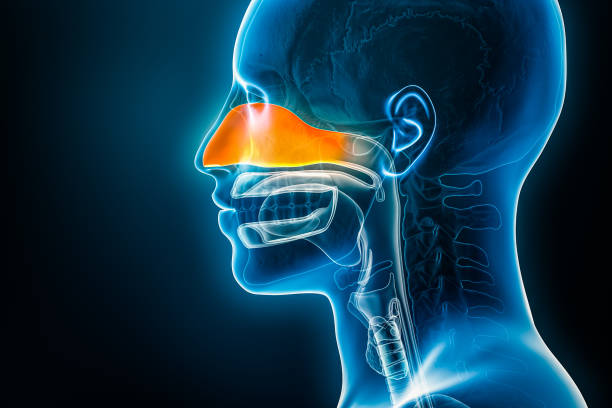
The sinuses are air-filled spaces located within the bones of the face and skull, surrounding the nasal cavity. These cavities are connected to the nasal passages through small openings that allow air to circulate and mucus to drain.
In healthy individuals, the lining of the sinuses produces mucus that helps trap dust, bacteria, and other airborne particles. This mucus normally drains into the nose and throat without being noticed.
Problems occur when the drainage pathways become blocked. When this happens, mucus accumulates within the sinus cavities, creating an environment where inflammation or infection may develop.
This condition is known as sinusitis, which refers to inflammation of the sinus lining.
Sinusitis can occur in several forms. Acute sinusitis typically develops following a viral respiratory infection and lasts less than four weeks. Subacute sinusitis may last up to three months. Chronic sinusitis, however, is diagnosed when symptoms persist for more than twelve weeks despite treatment.
Because the symptoms of sinusitis overlap with those of a cold or flu, many patients initially assume their illness will resolve naturally. However, persistent or recurring symptoms may indicate that the sinuses are not draining properly.
When a Cold Lasts Too Long
A typical cold usually improves within seven to ten days as nasal congestion clears and breathing becomes easier. When symptoms persist much longer, it may suggest ongoing sinus inflammation or blockage.
Patients with chronic sinusitis often experience persistent nasal blockage, thick yellow or green nasal discharge, and facial pressure around the cheeks, forehead, or behind the eyes. Some may notice a reduced sense of smell, post-nasal drip, throat irritation, or a chronic cough, particularly at night.
Headaches, fatigue, and poor sleep can also occur. Another common pattern is recurrent sinus infections, where each cold progresses into a sinus infection requiring antibiotics but returns again after treatment. When this pattern develops, further evaluation is recommended to assess for chronic sinusitis.
Why Chronic Sinusitis Develops
Chronic sinusitis is rarely caused by infection alone. In many cases, it results from persistent inflammation or structural blockage that prevents normal sinus drainage.
Several conditions may contribute to this problem.
Nasal polyps are one possible cause. These soft, non-cancerous growths develop in the lining of the nose and sinuses and can obstruct the natural drainage pathways.
A deviated nasal septum may also play a role. The septum is the wall that separates the left and right sides of the nose. When it is significantly displaced to one side, it can narrow the sinus openings and impair airflow.
Allergic rhinitis is another common contributor in Singapore. Ongoing allergic inflammation can cause swelling within the nasal passages, making it difficult for mucus to drain properly.
Environmental factors such as air pollution, cigarette smoke, and repeated respiratory infections may further irritate the sinus lining and worsen inflammation.
When these underlying factors are present, simply treating each infection as it occurs may not resolve the root cause of the problem.
Why Repeated Antibiotics May Not Be the Best Long-Term Solution
Antibiotics are often prescribed when a bacterial sinus infection is suspected, but they do not address many of the underlying causes of chronic sinusitis. They cannot remove nasal polyps, correct structural blockages, or resolve persistent inflammation caused by allergies or environmental irritants.
As a result, symptoms may improve temporarily with medication but return once treatment ends. Repeated antibiotic use can also contribute to antibiotic resistance and potential side effects. When symptoms persist despite appropriate medical therapy, further evaluation may be needed to determine whether other treatment options could provide better long-term relief.
How Chronic Sinusitis Is Diagnosed
A medical evaluation is important to determine the cause of persistent sinus symptoms. An otolaryngologist will typically review the patient’s medical history and symptom pattern to identify possible triggers such as allergies, recurrent infections, or structural nasal issues.
Nasal endoscopy is commonly used, where a thin camera is inserted into the nasal passages to visualise the sinus openings and detect inflammation, polyps, or blocked drainage pathways. In some cases, a CT scan may also be recommended to provide detailed images of the sinus structures and identify chronic inflammation or anatomical abnormalities. These assessments help determine whether continued medical treatment or surgery may provide better relief.
When Sinus Surgery May Be Recommended
For many patients, chronic sinusitis can be managed with medication, nasal steroid sprays, saline irrigation, and allergy treatment. However, surgery may be considered when symptoms persist despite appropriate medical therapy.
Patients who may benefit include those with chronic sinusitis lasting longer than three months, recurrent infections requiring repeated antibiotics, or nasal polyps that block sinus drainage. Structural problems such as a deviated septum may also be addressed during surgery.
The goal of sinus surgery is to restore normal drainage and ventilation by enlarging the natural sinus openings and removing obstructive tissue. This helps mucus drain properly, reducing repeated infections and improving breathing and overall quality of life.
Modern Advances in Sinus Surgery
Sinus surgery has evolved significantly in recent decades. Traditional open procedures have largely been replaced by minimally invasive endoscopic techniques, which are performed entirely through the nostrils without external incisions.
One of the most widely performed procedures is Functional Endoscopic Sinus Surgery (FESS). During this procedure, surgeons use specialised instruments and an endoscope to remove inflamed tissue, clear blockages, and widen the sinus openings.
Because the surgery is minimally invasive, recovery is typically faster and less uncomfortable compared with older surgical approaches.
Advances in surgical technology have also made sinus procedures safer and more precise.
Image-Guided Sinus Surgery
One of the major advances in modern sinus surgery is the use of image-guided navigation systems. Using CT scan data, these systems create a three-dimensional map of the patient’s sinus anatomy and track surgical instruments in real time.
This allows surgeons to operate with greater precision, which is particularly important because the sinuses are located close to structures such as the eyes, optic nerves, and brain. Image-guided technology improves accuracy and adds an extra layer of safety, especially in complex or revision cases.
Recovery After Sinus Surgery
Many sinus procedures are performed as day surgery, allowing patients to return home the same day.
Most individuals experience mild nasal congestion and some blood-tinged discharge during the early recovery period. Doctors usually recommend saline nasal rinses to help keep the sinuses clean and promote healing.
Patients are generally able to return to normal daily activities within several days, although strenuous activities may be avoided for a short period.
Follow-up visits are important to ensure the sinus passages remain open and healing progresses smoothly.
Over time, most patients notice improved nasal breathing, reduced sinus infections, and a significant improvement in comfort.
Seeking Specialist Care for Persistent Sinus Symptoms
Occasional sinus infections are common, but symptoms that persist for weeks or repeatedly return should not be ignored. Ongoing nasal blockage, facial pressure, reduced sense of smell, or recurrent infections requiring antibiotics may indicate chronic sinusitis that needs specialist evaluation.
With modern diagnostic tools and minimally invasive sinus surgery, effective treatment options are available. Early assessment by an ENT specialist can help identify the underlying cause and guide patients toward lasting relief and improved quality of life.