
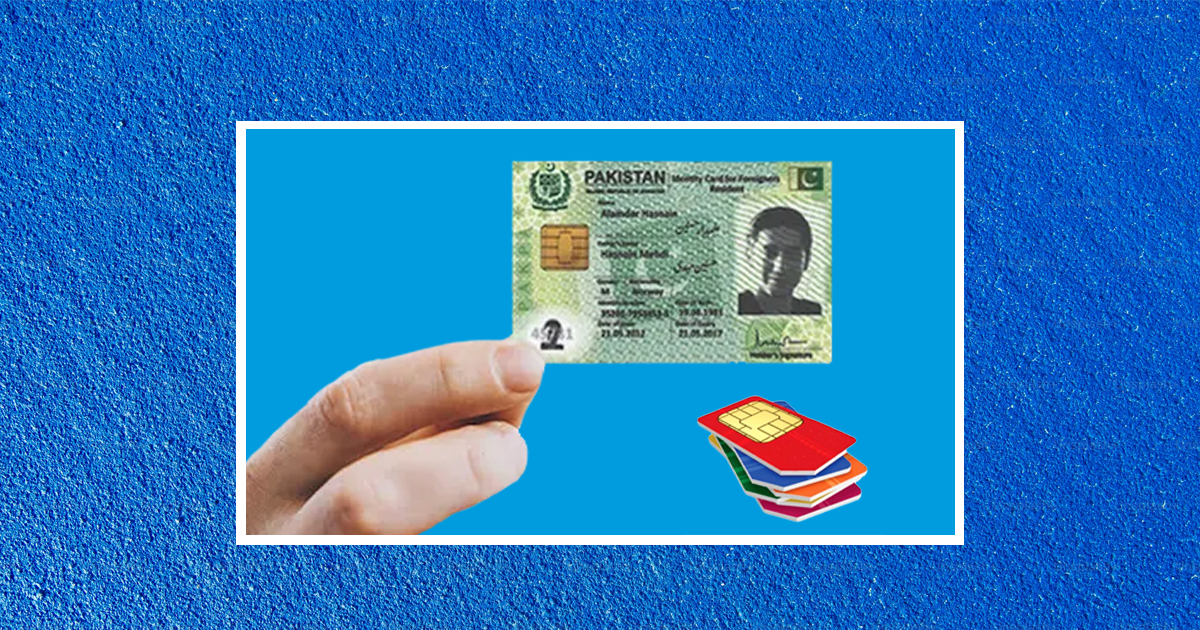
Introduction: Understanding Pakistan’s Digital Telecommunications Infrastructure
Pakistan’s telecommunications database represents one of the most sophisticated digital infrastructure systems in South Asia, managing over 192 million active mobile connections, biometric records of 120+ million citizens, and processing millions of daily verification requests. This massive ecosystem connects NADRA’s national identity database with PTA’s regulatory framework and telecom operators’ subscriber management systems.
Whether you’re trying to verify SIM ownership, understand how your mobile data is stored and managed, access Pakistan’s SIM database for legitimate purposes, or simply want to know what information telecom companies hold about you, this comprehensive 2026 guide provides authoritative answers.
Understanding this system isn’t just about technical curiosity—it’s about protecting your privacy, ensuring data accuracy, preventing fraud, and exercising your legal rights in Pakistan’s increasingly digital society. From checking how many SIMs are registered on your CNIC to understanding data retention policies, this guide covers every critical aspect of Pakistan’s telecommunications database landscape.
Chapter 1: Architecture of Pakistan’s SIM Database System
1.1 The Three-Tier Database Structure
Pakistan’s mobile database operates through three interconnected layers, each serving distinct yet complementary functions.
Tier 1: NADRA National Database
The National Database and Registration Authority forms the foundational layer, maintaining:
Biometric Records:
- 120+ million fingerprint records
- High-resolution facial photographs
- Iris scans (newer CNIC issuances)
- Signature specimens
- Family tree linkages
Demographic Data:
- Full legal name (Urdu and English)
- Father’s/husband’s name
- Date and place of birth
- Permanent and temporary addresses
- CNIC issuance and expiry dates
- Family registration number
Verification Infrastructure:
This database provides real-time verification for SIM registration through secure APIs. When you register a SIM with biometric verification, the franchise device instantly queries NADRA’s system to confirm your identity matches the CNIC presented.
Data Access: CNIC Information Pakistan provides detailed information about what NADRA stores and how to verify your records.
Tier 2: PTA Central Repository
The Pakistan Telecommunication Authority maintains the centralized registry connecting CNICs to mobile numbers across all operators.
Master SIM Registry Contains:
- All active mobile numbers (prepaid and postpaid)
- CNIC linkage for each number
- Network operator identification
- Registration timestamps
- Biometric verification status
- Blocking/activation history
- Ownership transfer records
Key Functions:
- Cross-network SIM count enforcement (5-SIM limit)
- Unauthorized registration detection
- Law enforcement data access gateway
- Consumer complaint resolution database
- MNP (Mobile Number Portability) tracking
Public Access Point:
The 668 SMS service queries this database. Comprehensive guide: 668 SMS SIM Check Guide explains how to access your records.
Official verification: CNIC SIMs PK – PTA Official Portal Guide covers web-based access.
Tier 3: Operator Subscriber Databases
Each telecom company maintains detailed subscriber records:
Jazz Database (73+ million subscribers):
- Account details and package information
- Call detail records (CDR) – 12 months minimum
- SMS logs – 6 months
- Data usage patterns and volumes
- Location data from cell tower connections
- Payment history and billing records
- Customer service interaction logs
Verification tools: Jazz SIM Owner Details Check and Jazz Number Check
Telenor Pakistan (50+ million):
Similar comprehensive records with emphasis on data services and digital wallet integration.
Check ownership: Telenor SIM Owner Details Check
Zong (45+ million):
Specialized records for 4G/5G services, government sector accounts, and corporate connections.
Verification: Zong SIM Owner Details Check Pakistan
Ufone (22+ million):
Traditional GSM records with increasing digital services integration.
Owner verification: Ufone Number Check
Complete network comparison: SIM Networks in Pakistan Complete 2025 Guide
1.2 Database Synchronization and Integration
Real-Time Data Flow:
When you perform any SIM-related action (registration, blocking, transfer), data flows through all three tiers:
Example: New SIM Registration
- Franchise captures biometric → Sent to NADRA (Tier 1)
- NADRA verifies identity → Returns confirmation
- Operator creates subscriber record (Tier 3)
- Operator reports to PTA central registry (Tier 2)
- PTA checks total SIMs on CNIC across all operators
- If under 5-SIM limit → Approval
- All databases updated simultaneously
- Process completion time: 30-90 seconds
Synchronization Frequency:
- NADRA-PTA: Real-time during transactions, batch updates hourly
- PTA-Operators: Real-time for critical events, batch updates every 15 minutes
- Operator internal: Continuous real-time updates
Data Consistency Challenges:
Despite sophisticated systems, discrepancies occur:
- Network delays causing temporary mismatches
- Manual data entry errors
- System migrations losing records
- Fraudulent manipulation
Resolution: Regular verification through SimsOwnersDetails.net.pk helps identify and correct discrepancies.
Chapter 2: What Data Is Stored About You
2.1 Personal Identification Records
Mandatory Data (All Operators):
- Full name (as per CNIC)
- Father’s/husband’s name
- 13-digit CNIC number
- Date of birth
- Current address
- Permanent address (if different)
- Contact number (alternate)
- Biometric fingerprints (thumb impression)
- Facial photograph
- CNIC photocopy/scan
Optional Data (Often Collected):
- Email address
- Occupation
- Emergency contact
- Employer information (postpaid)
- Monthly income (postpaid)
- Reference contacts (2-3 numbers)
Verification Status Indicators:
- Biometric verification date and location
- Verification officer ID
- Franchise code where registered
- Re-verification dates (if applicable)
- Manual override records (rare cases)
2.2 Usage and Behavioral Data
Call Detail Records (CDR):
Every call you make/receive is logged with:
- Called/calling number
- Date and time (start and end)
- Call duration
- Cell tower location (both parties)
- Call type (voice/video)
- Call status (connected/missed/rejected)
Retention: Minimum 12 months (PTA requirement), most operators keep 18-24 months
SMS Records:
- Sender and recipient numbers
- Date and time stamps
- Message delivery status
- Cell tower location
- Note: Message content NOT stored by operators (end-to-end encrypted in some apps)
Retention: 6-12 months
Data Usage Logs:
- Internet traffic volume (upload/download)
- Session start/end times
- Websites visited (URLs) – controversial, varies by operator
- Apps used (metadata only)
- IP addresses assigned
- Cell tower/WiFi offload data
Retention: 12 months minimum
Location Data:
Your phone constantly communicates with cell towers, creating a detailed location history:
- Cell tower IDs you connected to
- Signal strength and duration
- Handoff between towers (movement tracking)
- GPS coordinates (if shared with operator apps)
Retention: 12 months for law enforcement access, some operators keep longer
Privacy concern: This creates a precise map of your movements over time.
2.3 Financial and Transaction Records
Prepaid Accounts:
- Recharge history (amount, date, method)
- Balance deductions (itemized)
- Package subscriptions and renewals
- Value-added service charges
- Mobile wallet transactions (JazzCash, Easypaisa integration)
Postpaid Accounts:
- Monthly billing records
- Payment history
- Credit limits and usage
- Outstanding balances
- Bill delivery preferences
- Auto-debit authorizations
Digital Wallet Integration:
Increasingly, mobile wallets share data with telecom databases:
- Transaction histories
- Merchant interactions
- P2P transfers
- Bill payments
- All linked to your CNIC and mobile number
Cross-Database Implications:
Your telecom data connects to:
- Banking records (via mobile banking)
- E-commerce profiles (OTP verifications)
- Government services (NADRA, FBR, etc.)
- Social media accounts (phone number as identifier)
Chapter 3: Accessing Your SIM Database Records
3.1 Official PTA Verification Methods
668 SMS Service – Primary Access Point
Most Comprehensive Method: How Many SIMs on My CNIC – NADRA PTA 668 Most Accurate
What You Get:
- Total number of SIMs registered on your CNIC
- Breakdown by network operator
- List of all active numbers (some responses)
- Registration dates (newer system updates)
Process:
- Type your 13-digit CNIC (no dashes)
- Send to 668 from any Pakistani mobile
- Receive detailed response within 30 seconds
- Free service (no charges)
Response Example:
textDear Customer,
Total Active SIMs: 5
Jazz: 0321-XXXXXXX, 0300-XXXXXXX
Telenor: 0345-XXXXXXX
Zong: 0310-XXXXXXX
Ufone: 0333-XXXXXXX
For assistance call 0800-55055
Troubleshooting: 667-668 Troubleshooting Errors & Solutions
Comparison: 667 vs 668 – Which SIM Check Method
PTA Web Portal Access
Official website verification provides downloadable records:
Steps:
- Visit PTA’s official SIM verification portal
- Enter 13-digit CNIC number
- Complete CAPTCHA verification
- Submit query
- View comprehensive report
- Download PDF certificate (for official use)
Additional Features:
- Historical registration data
- Blocked SIM information
- Pending verification notifications
- Transfer history
Detailed guide: PTA SIM Verification Complete Guide
667 Network Identification Service
MNP 667 SIM Owner Check explains this complementary service:
Function:
- Identifies which network a number belongs to
- Useful after Mobile Number Portability (MNP)
- Verifies number status (active/inactive)
Process:
- Type any mobile number
- Send to 667
- Receive network identification
Use Case:
Before calling someone, confirm which network they’re on to use free on-net minutes.
3.2 Network Operator Data Requests
Your Legal Right:
Under emerging data protection regulations, you can request all data operators hold about you.
Jazz Data Access Request
Method 1: Customer Service
- Call 111 (Jazz customer service)
- Request “Complete Account Data Report”
- Provide CNIC verification
- Receive email within 7-14 days
Method 2: Written Request
- Write formal application
- Include CNIC copy and number
- Submit at Jazz Business Center
- Processing time: 30 days maximum
Data Provided:
- Full registration details
- 12-month CDR (Call Detail Record)
- SMS logs (6 months)
- Data usage summary
- Financial transactions
- Location data (if requested specifically)
All Jazz codes: Jazz USSD Codes Complete List 2026
Telenor, Zong, Ufone Data Requests
Similar processes with variations:
Telenor:
- Call 345 or visit service center
- Online request portal (telenor.com.pk)
- Telenor Number Check
Zong:
- Call 310 or visit franchise
- Corporate customers: dedicated portal
- Zong USSD Codes 2026
Ufone:
- Call 333 or visit UShop
- Written request for comprehensive data
- Check Ufone SIM Owner Details
Processing Timeline:
- Basic account info: 24-48 hours
- CDR and detailed logs: 7-14 days
- Comprehensive data package: 30 days
3.3 Third-Party Verification Services
SimsOwnersDetails.net.pk offers centralized verification:
Services Provided:
- SIM Information System: Quick lookup across all networks
- SIM Database: Comprehensive records access
- Pak SIM Data: Detailed analytics and verification
- SIM Info Portal: Real-time updates
Advantages:
- Single interface for all networks
- Historical tracking features
- Alert notifications for changes
- Family account management
- Fraud detection tools
Legal Compliance:
- PTA-approved methodologies
- CNIC-verified access only
- Privacy-protected queries
- Secure data transmission
Number Verification: Check Number Details Pakistan provides instant lookup.
Mobile-specific: SIM Information Check by Mobile Number Pakistan
Chapter 4: Database Security and Privacy Concerns
4.1 How Your Data Is Protected
Technical Security Measures:
Encryption:
- Database encryption at rest (AES-256 standard)
- Data transmission encryption (TLS 1.3)
- Biometric data hashed storage
- End-to-end encryption for sensitive queries
Access Controls:
- Multi-factor authentication for operator staff
- Role-based access (need-to-know basis)
- Audit logs for all data access
- Automated anomaly detection
Physical Security:
- Data centers with military-grade protection
- Redundant backup systems
- Disaster recovery protocols
- Geographic distribution (multiple locations)
Regulatory Oversight:
- PTA regular audits (quarterly)
- NADRA security compliance checks
- Third-party security assessments
- International standards compliance (ISO 27001)
4.2 Known Vulnerabilities and Breaches
Historical Incidents:
2019 Telecom Data Leak:
- 115 million Pakistani mobile records exposed
- Data sold on dark web marketplaces
- Included names, CNICs, addresses, numbers
- Government investigation but limited accountability
2021 NADRA Database Concerns:
- Reports of unauthorized access by agency insiders
- Commercial data selling allegations
- Parliamentary committee investigation
- Security protocols strengthened post-incident
2023 Franchise Employee Fraud:
- Multiple cases of employees accessing customer data
- Unauthorized SIM registrations using database info
- How Criminals Register SIMs Using Your CNIC
Ongoing Threats:
- Insider threats (employees with access)
- Social engineering attacks
- Database hacking attempts
- Fraudulent data requests
Protection Strategy:
Regular verification through check SIMs on CNIC helps detect unauthorized access.
4.3 Your Privacy Rights
Existing Protections:
- Constitutional right to privacy (Article 14)
- PECA 2016 provisions
- Telecom Act 1996 confidentiality clauses
- Operator license terms
Proposed Data Protection Act 2023:
Still pending full implementation, would provide:
- Right to know what data is stored
- Right to correction of inaccurate data
- Right to deletion (with limitations)
- Right to data portability
- Breach notification requirements
Practical Rights You Have Now:
1. Access Your Data:
- Request comprehensive records from operators
- PTA portal verification
- 668 service for SIM counts
2. Correct Inaccuracies:
- Update registration details at franchises
- CNIC corrections through NADRA
- Dispute incorrect billing/usage records
3. Limit Data Sharing:
- Opt-out of marketing communications
- Restrict third-party data sharing (request in writing)
- Disable location services on apps
4. Report Unauthorized Access:
- PTA Helpline 0800-55055
- FIA Cybercrime Complaint
- Operator customer service
- Block unauthorized SIMs
Chapter 5: Legal Access to Database Records
5.1 Law Enforcement Access
Legal Framework:
With Court Order:
- Criminal investigations (serious offenses)
- Anti-terrorism operations
- Kidnapping/missing persons cases
- Financial fraud investigations
Required Documentation:
- Written court order specifying:
- Target mobile number(s)
- Investigation case number
- Specific data requested
- Time period covered
- Requesting officer details
Without Court Order (Emergency):
- Active kidnapping (first 48 hours)
- Imminent terrorist threat
- National security operations
- Emergency rescue situations
Subsequent judicial review required within 72 hours
Data Provided:
- Real-time location tracking
- Complete CDR (Call Detail Records)
- SMS content and metadata
- Internet usage logs
- CNIC and personal details
- Financial transactions
- Historical location data
Oversight Mechanisms:
- Court approval (in theory)
- PTA monitoring of requests
- Operator compliance logs
- Parliamentary review (limited)
Practical Reality:
- Intelligence agencies have broad access
- Court oversight sometimes bypassed citing “national security”
- Limited civilian accountability
- Controversial constitutionality
5.2 Civil Legal Proceedings
Divorce Cases:
CDR requests common to:
- Prove infidelity allegations
- Establish contact patterns
- Location verification
- Evidence of communication
Court orders required, typically granted for:
- Specific numbers
- Defined time periods (usually 3-6 months)
- Relevant to case facts
Business Disputes:
- Contract enforcement (prove communication)
- Fraud investigations
- Employee misconduct cases
- Partnership disputes
Inheritance/Estate Matters:
- Identifying deceased’s contacts
- Financial transaction verification
- Will execution verification
- Heir identification
Legal Process:
- File application in relevant court
- Provide justification for data need
- Specify exact data required
- Court issues order to PTA/operator
- Data provided directly to court
- Petitioner accesses through court
Timeline: 30-90 days typically
5.3 Your Data in Criminal Cases
If Your Number Appears in Investigation:
Notification:
- Usually NOT informed until evidence presented
- May discover during trial proceedings
- CDR admitted as evidence without prior notice
Your Rights:
- Challenge legality of data collection
- Question court order validity
- Demand proper authorization proof
- Cross-examine on data authenticity
Using Your Own Data as Defense:
- Request your CDR through lawyer
- Prove location alibi
- Demonstrate call patterns
- Establish timeline of events
Legal Counsel Essential:
Telecom data in criminal cases requires expert legal interpretation.
Chapter 6: Database Management Best Practices
6.1 Personal Data Hygiene
Monthly Verification Routine:
First Monday Protocol:
- Send CNIC to 668 – verify SIM count
- Check SimsOwnersDetails.net.pk for updates
- Review SIM Database status
- Log results in personal tracker
- Compare with previous month
- Investigate any discrepancies immediately
Quarterly Deep Verification:
- Request CDR summary from operators
- Review billing for unauthorized charges
- Check for unknown value-added services
- Verify contact information accuracy
- Update emergency contacts
Annual Comprehensive Audit:
- Full data request from all operators
- CNIC information verification via NADRA
- Update address and personal details
- Review and renew consents
- Clean up old/unused services
6.2 Protecting Your Database Footprint
Minimize Data Exposure:
Registration Practices:
- Only provide mandatory information
- Question optional data fields
- Never share more than required
- Use alternate contact cautiously
CNIC Protection:
CNIC Information Protection Complete Guide
Photocopy Control:
CNIC Photocopy Restrictions
Every photocopy must include:
- Specific purpose written clearly
- Date and signature
- “NOT FOR SIM REGISTRATION” notation
- Cross-marked blank spaces
Digital Footprint Reduction:
- Limit app permissions to contacts/location
- Disable unnecessary data sharing
- Review app privacy settings quarterly
- Uninstall unused apps
- Clear cache and temporary data
SIM Hygiene:
- Deactivate unused SIMs properly (don’t just stop using)
- Transfer ownership formally if giving to family
- SIM Ownership Transfer Guide
- Block before discarding: How to Block SIMs
6.3 Fraud Prevention Through Database Monitoring
Early Warning Signs:
Unusual 668 Responses:
- SIM count increases unexpectedly
- Unknown network operators appear
- Numbers you don’t recognize listed
Action: Check and Block Unauthorized SIMs immediately
Unexpected Communications:
- Verification codes you didn’t request
- Account activity notifications for unknown actions
- Package activation confirmations you didn’t authorize
Database-Level Fraud Detection:
Fresh SIM Data Pakistan helps identify new registrations.
Proactive Monitoring:
- Enable all operator security features
- Set up transaction alerts (SMS + email)
- Use authenticator apps over SMS OTPs
- SIM Swap Fraud Protection
Chapter 7: Future of Pakistan’s SIM Database
7.1 Technological Advancements
Blockchain Integration (Proposed):
- Immutable registration records
- Transparent ownership history
- Instant verification across borders
- Reduced fraud through decentralization
Timeline: Pilot programs 2026-2027, full implementation 2028-2030
Artificial Intelligence Implementation:
- Automated fraud detection
- Behavioral pattern analysis
- Predictive blocking of suspicious registrations
- Real-time anomaly alerts
Already Deployed: Some operators using AI for customer service and fraud detection
5G Database Requirements:
- Higher data volumes (IoT devices)
- Real-time processing demands
- Edge computing integration
- Enhanced security protocols
Impact on Users:
- Faster verification processes
- More devices linked to CNIC
- Increased tracking capabilities
- Privacy concerns amplified
Digital Identity Integration:
- Unified digital ID encompassing CNIC, SIM, banking
- Single sign-on for government services
- Blockchain-based authentication
- Reduced paperwork and in-person verification
Benefits:
- Convenience and efficiency
- Reduced fraud opportunities
- Seamless service access
Risks:
- Single point of failure
- Privacy implications
- Government surveillance expansion
- Data breach consequences magnified
7.2 Regulatory Evolution
Data Protection Legislation:
- Full implementation of Data Protection Act expected 2026-2027
- GDPR-aligned provisions
- Stronger consumer rights
- Heavy penalties for violations
Enhanced PTA Oversight:
- Real-time database monitoring
- Automated compliance checking
- Faster complaint resolution
- Transparent reporting requirements
International Cooperation:
- Cross-border data sharing agreements (controlled)
- Interpol database integration
- Regional telecom coordination
- Global standards adoption
Consumer Impact:
- Better privacy protections
- Enhanced data access rights
- Faster dispute resolution
- Increased transparency
7.3 Emerging Challenges
Privacy vs. Security Balance:
- Terrorism prevention requires extensive tracking
- Privacy advocates push for limitations
- Courts increasingly protective of rights
- Ongoing legislative debate
Database Scalability:
- 200+ million subscribers projected by 2027
- IoT devices adding billions of connections
- Processing power requirements increasing
- Infrastructure investment needed
Cybersecurity Threats:
- State-sponsored hacking attempts
- Ransomware targeting telecom databases
- Insider threats growing
- Advanced persistent threats (APTs)
Cross-Border Data Issues:
- Pakistani data stored abroad (cloud services)
- Foreign government access concerns
- Data sovereignty questions
- Regulatory jurisdiction complexities
Conclusion: Navigating Pakistan’s SIM Database Landscape
Understanding Pakistan’s telecommunications database system empowers you to protect your privacy, verify your records, detect fraud early, and exercise your legal rights. The system—spanning NADRA’s biometric infrastructure, PTA’s regulatory framework, and operator subscriber databases—touches every aspect of digital life in Pakistan.
Your Comprehensive Action Plan:
Immediate Steps (Today):
✅ Verify your SIM count: Send CNIC to 668
✅ Bookmark verification hub: SimsOwnersDetails.net.pk
✅ Check database status: SIM Information System
✅ Review current records: Pak SIM Data
This Week:
✅ Network-specific verification:
✅ Protect your CNIC: CNIC Protection Guide
✅ Secure photocopies: Photocopy Restrictions
This Month:
✅ Request operator data: Get comprehensive records from your networks
✅ Set up monitoring: Monthly 668 verification calendar reminder
✅ Review privacy settings: All apps and services
✅ Family verification: Check all household member SIMs
✅ Fraud protection: Block unauthorized SIMs
Ongoing (Monthly/Quarterly):
✅ Monthly: 668 verification + SIM Database check
✅ Quarterly: Comprehensive data review from operators
✅ Annually: Full audit + CNIC information update
✅ Continuous: Stay informed about regulatory changes
Essential Resource Library:
📊 Main Portal: SimsOwnersDetails.net.pk – Your comprehensive verification center
🔍 Quick Check: SIM Info Portal – Instant verification
📱 Number Lookup: Check Number Details – Mobile verification
🗄️ Complete Records: SIM Database – Full access
🛡️ Protection: Check Unauthorized SIMs – Security monitoring
⚖️ Legal Help: FIA Complaint – Official recourse
📞 Support: PTA Helpline Guide – 24/7 assistance
Remember: Your data exists across multiple interconnected systems. Proactive monitoring, regular verification, and informed data management are your best defenses against fraud, privacy violations, and unauthorized access.
Pakistan’s SIM database landscape continues evolving—stay informed, stay vigilant, and stay in control of your digital identity.
Stay verified. Stay protected. Stay empowered. 🇵🇰📊🔒