

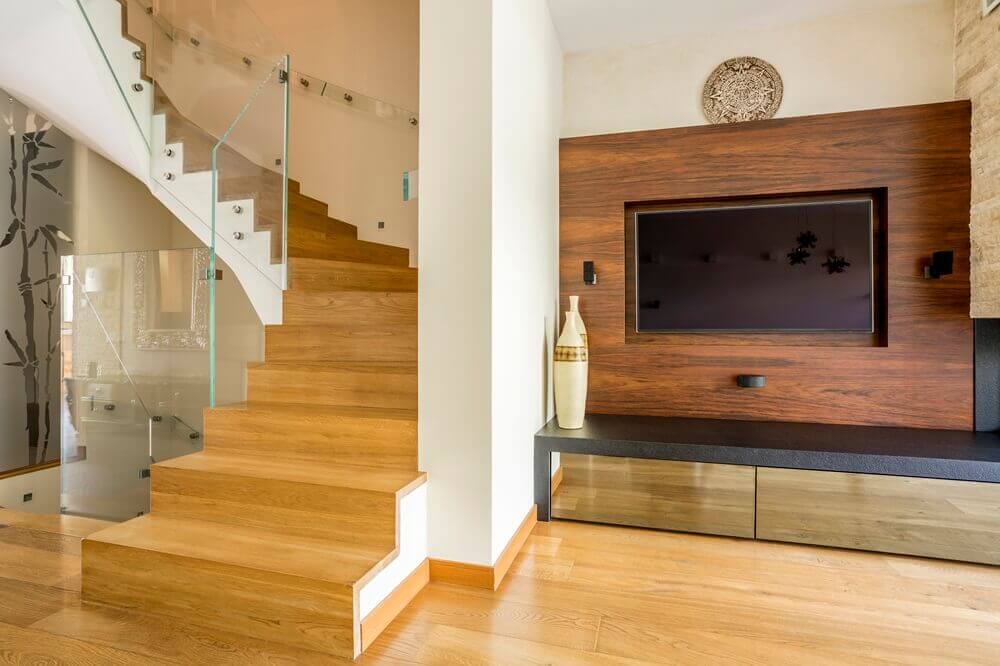
In the realm of modern glass architecture, the mounting methodology is just as critical as the glass specification itself. As installers and contractors, the decision between side-mounted systems and Wall Mount Standoff solutions dictates structural performance, installation timelines, and the final aesthetic outcome.
While both methods can deliver high-end results, they diverge significantly in load distribution, hardware requirements, and installation precision. This guide analyzes the technical nuances between these two systems to help you choose the right approach for your next project. For a deep dive into the technical requirements for both, refer to our comprehensive installation guide.
The Wall Mount Standoff System
A Wall Mount Standoff system utilizes stainless steel hardware to anchor glass panels directly to a vertical substrate, such as concrete or structural steel beams. By securing the glass with spacers, the panel is held slightly away from the wall, creating a signature “floating” effect that is highly sought after in luxury residential and modern commercial design.
- Design Aesthetic: Offers a minimalist, industrial-chic appearance with visible, polished hardware.
- Structural Note: Because the load is concentrated at each anchor point, the integrity of the substrate is paramount.
You can explore our high-end hardware options in our Frameless Glass Railing Systems category.
Understanding Side Mount Systems
Side mount systems involve attaching the glass railing structure—or individual panels—directly to the fascia of a deck, balcony, or stair slab. Unlike the point-fixed nature of standoffs, side-mount installations often utilize continuous brackets or base profiles to provide uniform structural support.
- Design Aesthetic: Creates a structured, streamlined look that keeps the top surface of the deck completely clear.
- Application: Ideal for scenarios where top-mount space is limited or where a continuous visual line is preferred.
For projects requiring high-performance mounts, explore our range of Glass Clamps and Connectors.
Technical Comparison: At a Glance
| Feature | Wall Mount Standoff | Side Mount System |
| Load Distribution | Point-based (Discrete anchors) | Continuous (Uniform support) |
| Installation Precision | High (Requires exact drilling) | Moderate (Easier adjustment) |
| Aesthetic Appeal | Premium/Frameless | Structured/Industrial |
| Space Efficiency | Excellent (Clears top surface) | Good |
| Structural Needs | Heavy-duty anchoring | Moderate |
How to Choose the Right Solution
Choose Wall Mount Standoffs when:
- Aesthetics are the priority: You are designing for luxury projects where a frameless, open look is mandatory.
- Space is at a premium: You need to maximize the usable floor area of a balcony or deck.
- The substrate is solid: You have access to concrete or steel where secure, point-based anchoring can be achieved.
Choose Side Mount Systems when:
- Efficiency matters: You need a faster installation process without the complexities of multi-point glass drilling.
- Structural layout is complex: The project requires a continuous support system to handle long runs of glass.
- Budget alignment: You require a cost-effective solution that does not sacrifice safety or durability.
Best Practices for Installers
Precision is non-negotiable for both systems. For Standoff installations, the most common pitfall is improper anchor selection. Because each standoff acts as an independent load-bearing point, ensure the structural substrate can withstand the specified PSI. For Side Mounts, focus on leveling the brackets early in the process to avoid costly re-adjustments during the glass installation phase.
Reliability and Support
At URailing, we prioritize the needs of professional installers by providing high-quality, durable glass railing hardware that simplifies the installation process. Whether you are tackling a high-rise commercial balcony or a residential staircase, having the right components is the first step toward a successful installation.
Need technical guidance for your specific project?
If you are weighing the pros and cons of these systems for a specific site, our team is here to assist. Contact us today to discuss project requirements, hardware specifications, or custom solutions.
Frequently Asked Questions
- Q: Which system is stronger?
- A: Both systems are safe when installed correctly. However, Side Mount systems often provide better distribution of heavy, linear loads, while Standoff systems require higher-quality anchoring to compensate for point-loading.
- Q: Can I retrofit these systems?
- A: Yes, both can be retrofitted, provided the existing slab or wall has the structural capacity to handle the specific hardware loads.
- Q: What materials are best for outdoor use?
- A: Always prioritize high-grade 316-grade stainless steel to prevent corrosion, especially in coastal or humid environments.
- Q: Do I need to drill the glass differently for each system?
- A: Yes. Wall Mount Standoffs require specific holes in the glass panels, whereas Side Mount systems (using clamps or channels) often require minimal to no glass drilling.