
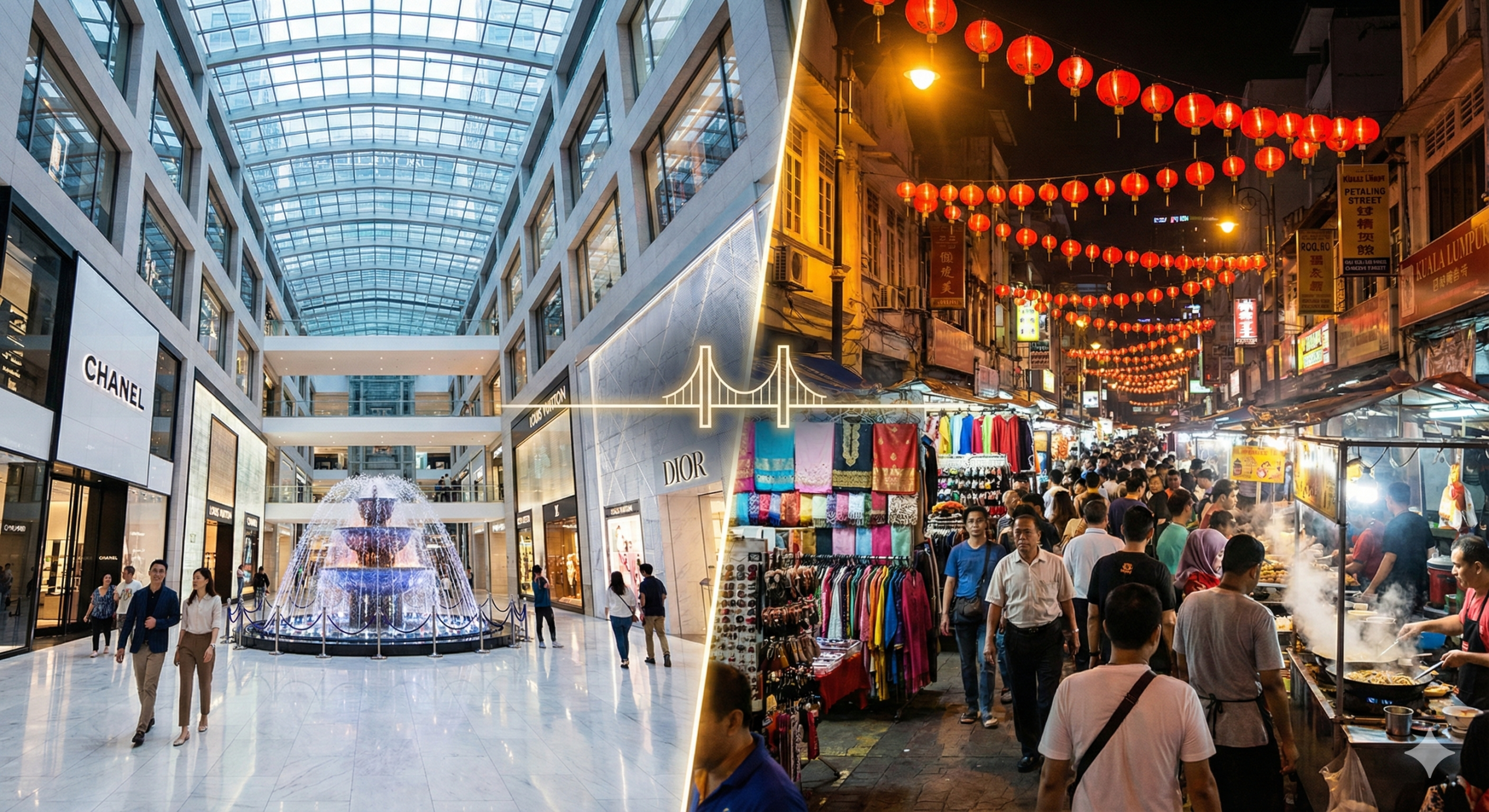
You’ve booked your ticket to Malaysia with one goal: shopping. But Kuala Lumpur is a sprawling metropolis, and without a plan, you risk wasting hours in traffic or overpaying at tourist traps. The humidity is real, and wandering aimlessly isn’t an option.
This guide provides the logistics you need. We move beyond simple lists to show you exactly how to connect the best luxury malls via air-conditioned walkways, where to find authentic heritage crafts, and how to claim your tax refunds before you fly home.
The Malaysia Shopping Calendar: Best Times to Visit
If you can choose your travel dates, aim for the national sale periods. The Malaysian government coordinates three major shopping carnivals annually where discounts are mandated across the country.
Plan your trip around these windows for price drops of 30-70%:
- Malaysia Super Sale: March 1 – March 31
- Malaysia Mega Sale Carnival: June 15 – August 31
- Year-End Sale (YES): November 1 – December 31
Pro Tip: The Year-End Sale often extends into January to coincide with Chinese New Year preparations, offering the deepest discounts on fashion and red-themed decor.
The “Golden Triangle”: Navigating Kuala Lumpur’s Luxury Malls
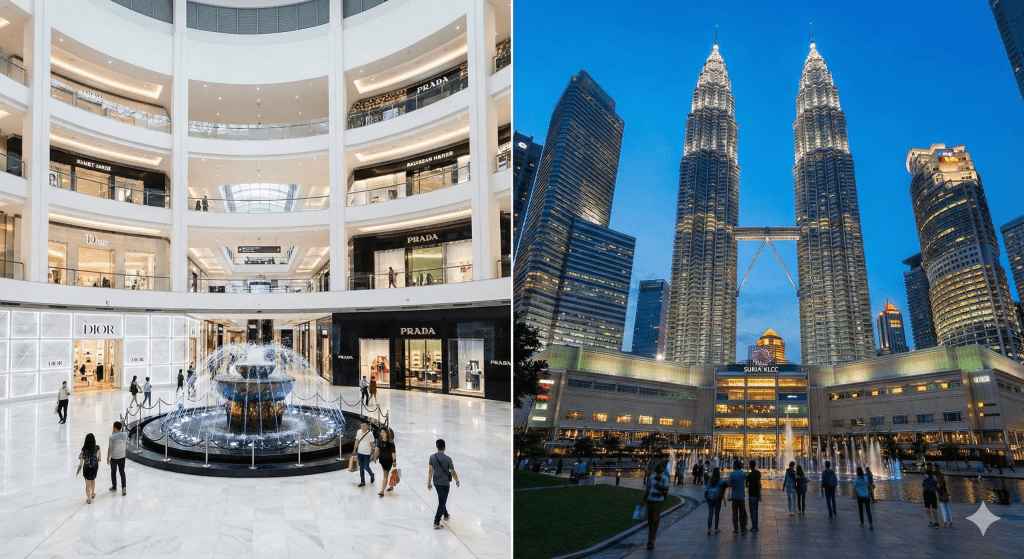
The Bukit Bintang district is the retail heart of the country. Unlike scattered shopping districts in other cities, KL’s major players are physically connected.
You do not need a taxi to move between the giants. Use the Bukit Bintang – KLCC Pedestrian Walkway. This 1.17km air-conditioned bridge allows you to walk from Pavilion KL to Suria KLCC in about 15 minutes, bypassing the traffic below.
Suria KLCC vs. Pavilion: Which One Fits Your Style?
Both malls are iconic, but they serve different distinct vibes. Use this comparison to decide where to start.
| Feature | Suria KLCC (Petronas Towers) | Pavilion KL (Bukit Bintang) |
| Primary Vibe | Iconic, Architectural, Tourist-Heavy | Trendy, High-Energy, Fashion-Forward |
| Best For | Luxury gifting, views of the fountains, science center visits | High-street fashion, flagship stores, gourmet dining |
| Key Anchors | Isetan, Kinokuniya Bookstore, Petrosains | Parkson Elite, Golden Screen Cinemas, Connection Precinct |
| Food Scene | upscale restaurants overlooking the park | “Dining Loft” & massive basement food court |
Cultural Therapy: Mastering the Street Markets
Stepping out of the air-conditioning brings you to the heritage economy. The two heavyweights here are Petaling Street (Chinatown) and Central Market (Pasar Seni).
Petaling Street is your go-to for the chaotic “Pasar Malam” (night market) energy. It is famous for imitation goods (handbags, watches, sneakers) and street food.
Central Market, just a 10-minute walk away, is different. It is an organized, air-conditioned heritage site focusing on legitimate arts and crafts. Go here for local batik, songket, and wood carvings.
The Art of the Deal: How to Haggle
In Petaling Street, the price tag is never the final price.
- The Starting Offer: Vendors often mark up items by 50-100% for tourists.
- The Counter: politely offer 50% of the quoted price.
- The Walk-Away: If they refuse, smile and walk away. They will often call you back with a better price.
- The Rule: Never bargain if you have no intention of buying. It is considered rude.
What to Buy: The “Only in Malaysia” Checklist
Don’t fill your luggage with generic keychains. Focus on items where Malaysia holds a production or cultural advantage.
- Royal Selangor Pewter: Malaysia is the home of the world’s largest pewter manufacturer. Prices here are lower than overseas, and the designs are exclusive.
- Batik Silk: Look for “Batik Tulis” (hand-drawn) rather than machine-printed fabric. The best quality often comes from the East Coast states (Kelantan/Terengganu) but is sold in Central Market.
- White Coffee: Originated in Ipoh, these roasted coffee sachets make excellent, lightweight gifts. OldTown is the mass-market brand, but look for smaller roasters for better quality.
- Vincci Shoes: A subsidiary of Padini Holdings, this local brand is incredibly popular for affordable, trendy footwear.
Tech & Gadgets: Safe Shopping at Low Yat Plaza
For electronics, skip the generic malls and head to Plaza Low Yat in Bukit Bintang. This is the IT lifestyle hub.
- The Risk: Be wary of parallel imports (grey sets) which may lack an international warranty.
- The Fix: Always ask, “Is this an original manufacturer warranty?” Check the seal on the box before payment.
- Pricing: Competition is fierce. You can often negotiate free accessories (screen protectors, cases) even if the device price is fixed.
Smart Shopper Logistics: Tax Refunds
Malaysia offers a Tourist Refund Scheme (TRS) which allows you to claim back the Sales and Service Tax (SST) on eligible purchases.
Eligibility Checklist:
- You must be a foreign tourist (not working in Malaysia).
- Spend at least MYR 300 (approx. $65 USD) in a single receipt at an approved outlet.
- Request a Refund Form from the merchant at the time of purchase. You must show your passport.
At the Airport:
Do not pack your purchases in your checked luggage immediately. You must verify the goods at the Royal Malaysian Customs counter before checking in your bags to validate your refund form.
Frequently Asked Questions (FAQ)
What is the absolute best month for shopping in Malaysia?
August or December.
These months coincide with the peak of the Mega Sale Carnival and Year-End Sale, offering the widest range of discounts across both luxury and high-street brands.
Can tourists get tax refunds on shopping in Malaysia?
Yes, if you spend over MYR 300.
You must shop at a registered store, present your passport to get a form, and validate the goods at the airport Customs counter before departure.
What are the unique things to buy in Malaysia?
Pewter, Batik, and White Coffee.
Royal Selangor pewter is world-class. Malaysian Batik features distinct large floral motifs. White coffee offers a unique roasted flavor profile unavailable elsewhere.
Is it cheaper to buy electronics in Malaysia?
Yes, specifically for cameras and laptops.
Due to competitive currency exchange rates and lower import duties, prices can be 10-15% lower than in Europe. Always verify the international warranty coverage.
Do you bargain in Malaysia shopping malls?
No, malls have fixed prices.
Save your bargaining skills for street markets like Petaling Street. Department stores like Parkson or Isetan do not entertain negotiations.
