
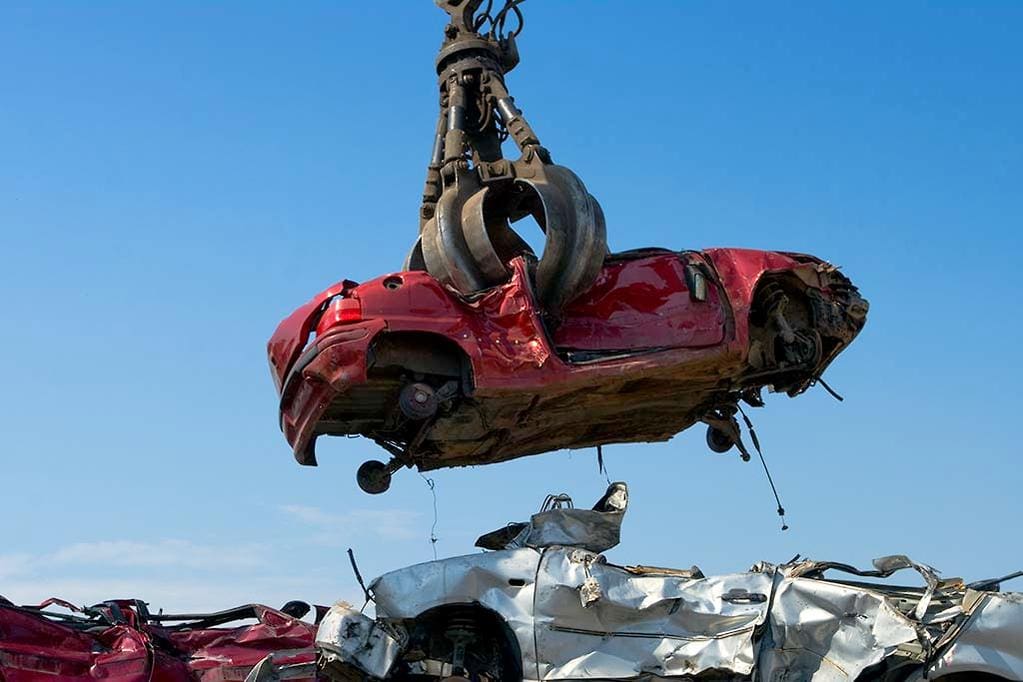
When a vehicle reaches a point where it can no longer run on the road, the story does not end there. Many people think that an old vehicle becomes useless the moment it stops working, but that is far from the truth. There is a careful process that takes place behind the gates of a salvage yard, where trained workers study the structure, parts, and materials to see what can continue to serve a purpose. This process is known as salvage science, and it plays a major role in keeping waste out of landfills while saving many resources that Australia would otherwise need to produce again. This blog explains how specialists make these decisions and why these choices shape the future of the automotive world. Learn more: https://cashmyscrapcar.com.au/
Understanding the Idea Behind Salvage Science
Salvage science is the method through which workers in wrecking yards study vehicles to locate parts that can be used again. This method is based on practical knowledge, observation, and safe working techniques. Each vehicle has hundreds of parts, and many of them remain in good shape even long after the vehicle has stopped running. Skilled workers know how to identify these pieces and decide which items are fit for a second life.
Research in Australia shows that reusing vehicle parts helps reduce the strain on natural resources. Steel, copper, aluminium, and rubber all require significant energy to produce. By saving parts from old vehicles, the automotive industry reduces pressure on mining and manufacturing sectors. This also helps keep the environmental footprint lower.
The First Step: A Careful Inspection
When an old vehicle enters a wrecking yard, workers begin with a step called the preliminary inspection. The aim of this inspection is to check the general structure and the overall condition. This first look helps workers understand whether the vehicle has been in a major crash, suffered fire damage, been submerged in water, or simply aged with time.
In many cases, the body of the vehicle may be beyond repair, but the inner parts remain in solid shape. This is why the first inspection is vital. It ensures that no part is removed without proper judgment. The workers look for signs of rust, wear, leaks, and structural issues. Even if the exterior looks worn out, the vehicle may still hold valuable pieces inside.
Testing Mechanical Parts for Further Use
Mechanical parts play a major role in salvage operations. Items such as the engine, gearbox, alternator, starter motor, and air conditioning compressor are the first components that experts study in detail. These parts are expensive to produce and are often in demand among vehicle owners who want to repair their current cars without buying new pieces.
Workers use several testing methods to see if these parts can be used again. For example:
- Engine testing involves checking compression, oil levels, and the overall sound of the engine during a run test.
- Gearbox inspection requires studying the fluid condition and monitoring the response when gears shift.
- Alternators and starter motors are tested through electrical checks that show whether they can still generate the correct output.
If a part passes these tests, it is cleaned, labelled, and stored for future use. If it fails, it is moved to the recycling section.
Electrical Systems: A Detailed Examination
Electrical parts are often delicate, but they also hold value. These include sensors, modules, switches, wiring, and dashboard components. Modern vehicles use dozens of these electronic items, and many remain in proper shape even when the car is no longer usable.
Workers examine these parts with diagnostic tools. They look for signs of water damage, burnt circuits, and broken connectors. If the item is in good condition, it is saved. Many mechanics across Australia rely on such tested parts to repair customer vehicles.
Body Panels and Exterior Parts
Even when a vehicle has been in a crash, several body parts can remain undamaged. Panels such as doors, guards, bonnets, mirrors, and bumpers often survive impact from minor collisions. These items are valuable for repair shops and for people who want budget-friendly body replacements.
Workers study each exterior part to check for dents, cracks, and bending. If the panel is straight and structurally sound, it is removed with careful tools to avoid further damage. These parts are cleaned and stored in racks where they can be easily found when needed.
Interior Components That Continue to Serve
The inside of the vehicle contains many items that can enjoy a second life. Seats, consoles, steering wheels, radio units, and air vents are often removed and inspected. Workers study the fabric or leather for damage, check the frames for stability, and test any electronics attached to the interior.
Many car owners look for used interior components because they want replacements that match the original design of their vehicle. Salvage yards help meet this demand by keeping these items in good condition.
Fluids and Materials That Are Collected Safely
During the salvage process, workers also remove fluids such as oil, coolant, transmission fluid, and brake fluid. These liquids must be handled with great care, as they can cause harm to the environment if not managed correctly. Australian regulations guide how these fluids must be stored and disposed of. Many wrecking yards follow strict rules when collecting these liquids, making sure they do not leak into the soil or water systems.
Materials such as rubber, plastic, and glass are also sorted. Even if they cannot be used again in another vehicle, they can be recycled in manufacturing plants. This helps cut down on waste.
The Final Step: Recycling What Cannot Be Used
Once all parts have been removed and tested, the final stage begins. The metal body of the vehicle is crushed and sent to recycling plants. Australia recycles a large volume of steel every year, and old vehicle bodies contribute a major share. This recycled metal is used in construction, manufacturing, and even the production of new vehicles.
This recycling stage ensures that nothing is wasted. Even if the vehicle cannot run again, it still gives back valuable material to the country’s industries.
Why Salvage Science Matters in Australia
Salvage science supports environmental goals, reduces waste, and keeps the automotive repair market balanced. A large number of Australians rely on used parts to maintain their vehicles, and salvage yards supply these parts without the need for fresh manufacturing.
The method also makes it easier for people to get rid of old car models without harming the environment. The pieces that still hold strength continue to serve drivers, and the rest of the materials return to industries that need them.
Closing Thoughts
An old vehicle may look worn out, but experts know that it still holds value. Through careful study, testing, and safe removal techniques, salvage workers carry out a process that reduces waste and supports many sectors of the country. Each part that continues to serve another purpose tells a story of smart resource use and mindful recycling. Salvage science shows that the end of a vehicle is not truly an end, but a well-managed change that supports both people and the planet.