
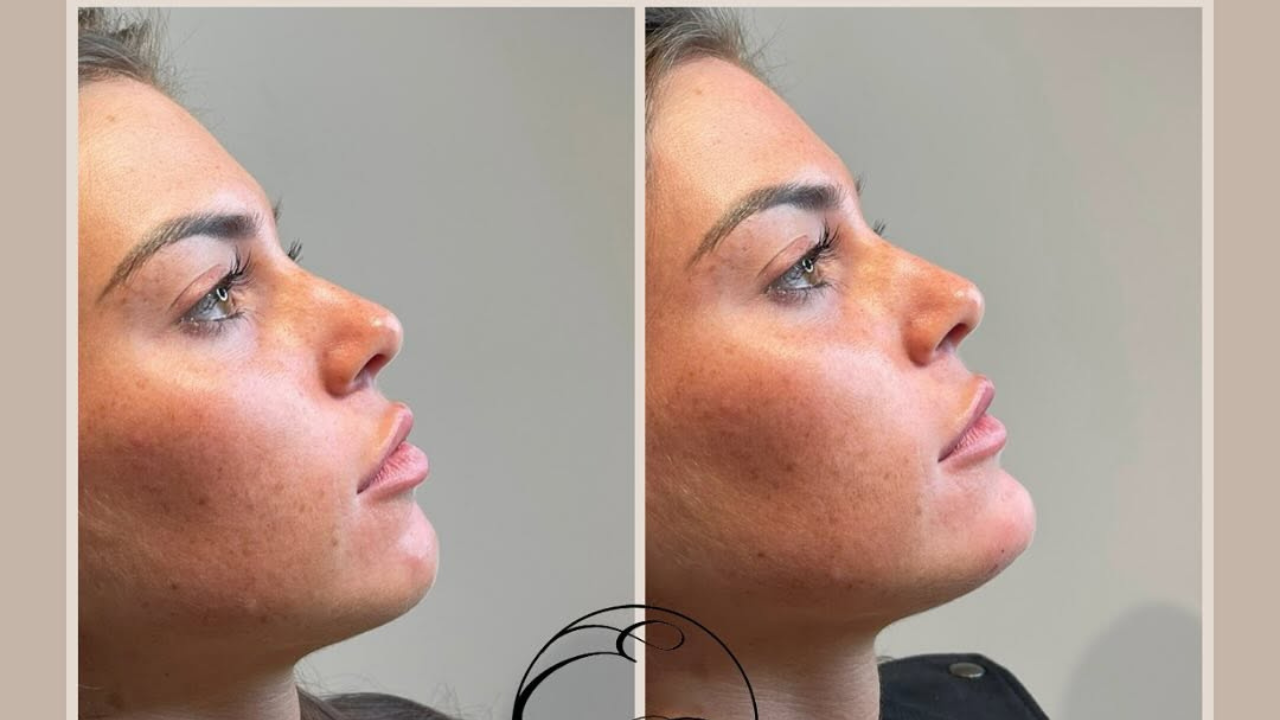
On RealSelf, a 47-year-old woman from Europe shared a concern that many women quietly experience but rarely talk about. She wrote, “I didn’t realize how much my chin had changed until I saw myself on a video call. It just looked like it had melted into my neck.” She went on to explain that she considered surgery but decided against it because she could not take time off work for recovery. Instead, she chose a filler treatment. A few weeks later, she updated her review and wrote, “It’s subtle, but my profile looks like it used to. I feel more like myself again.”
This kind of experience is no longer rare. Across Belgium, women over 40 are noticing similar changes. The issue is not just wrinkles or fine lines. It is the structure of the face, especially the chin. As awareness grows and treatment options improve, more women are choosing kinfiller instead of surgery because it offers a practical, flexible, and natural-looking solution.
Why the Chin Starts Sagging After 40
Aging is often seen as a surface-level issue, but medical research shows that the most important changes happen beneath the skin. After the age of forty, the body produces less collagen, which directly affects the firmness and elasticity of the skin. According to the American Academy of Dermatology, collagen levels decline steadily and significantly impact how the skin holds its shape.
At the same time, deeper structural changes begin to occur. Research published in the Journal of Clinical and Aesthetic Dermatology explains that bone resorption affects the lower face. This means that the chin and jawbone gradually lose density and support over time. Fat pads that once helped maintain youthful contours begin to shift downward.
These combined changes lead to a noticeable effect. The chin loses projection, the jawline becomes softer, and the boundary between the chin and neck becomes less defined. Many women describe this as their chin “disappearing,” which can make the entire face look older or less structured.
Why These Changes Feel More Noticeable Today
In Belgium, lifestyle changes have made people more aware of their appearance than ever before. Video calls, social media, and constant exposure to cameras have increased self-awareness, especially of the side profile.
Aesthetic practitioners across Europe report that patients are now more focused on profile harmony than just skin quality. Women are noticing subtle structural changes earlier and are looking for solutions that address the root cause rather than just the surface.
This shift in awareness is one of the key reasons why treatments like kinfiller are becoming more popular.
The Clear Shift From Surgery to Non-Surgical Treatments
The preference for non-surgical treatments is supported by strong global data. According to the International Society of Aesthetic Plastic Surgery, more than 20.5 million non-surgical procedures are performed worldwide each year. Among these, over 6.3 million are hyaluronic acid filler treatments.
This data reflects a major shift in patient behavior. Surgery is no longer the default option.
Women in Belgium are choosing treatments that fit their daily lives. Surgery often requires weeks of recovery, which is not practical for many working professionals or mothers. It also involves higher costs and permanent changes, which can feel like a big commitment.
Non-surgical treatments, on the other hand, offer flexibility. Patients can start with small changes and adjust over time. This approach feels safer and more manageable.
What Is Kinfiller and Why It Works
Kinfiller is a non-surgical treatment that uses hyaluronic acid to improve the shape and projection of the chin. Hyaluronic acid is a naturally occurring substance in the body that helps retain moisture and volume.
When injected into the chin, it acts as a support structure. It enhances projection, improves symmetry, and restores balance to the face.
Clinical research available on PubMed shows that hyaluronic acid fillers are effective for chin augmentation and are associated with high patient satisfaction rates.
The treatment is precise and controlled. Doctors place small amounts of filler in specific areas to create a natural result. The procedure usually takes between fifteen and thirty minutes, and the results are visible almost immediately.
For those who want to understand the process in detail, this kinfiller page explains how the treatment is performed and what patients can expect.
Real Stories That Show Why Women Prefer Fillers
After spending hours of research across patient platforms, one thing becomes very clear. Women are not looking for dramatic transformations. They are looking for subtle improvements that make them feel more confident.
On RealSelf, another patient wrote, “I was scared of surgery because I didn’t want anything permanent. With filler, I felt like I had control. If I liked it, I could maintain it. If not, I could stop.”
In interviews featured by Allure, dermatologists confirm this trend. One expert explained that fillers allow patients to “experiment with their profile in a safe and reversible way,” which is something surgery cannot offer.
These insights show that the decision is not just about appearance. It is about comfort, control, and confidence.
Surgery vs Kinfiller: What Really Matters to Patients
When comparing surgery and kinfiller, the difference goes beyond medical technique. It comes down to lifestyle and personal preference.
Surgery involves anesthesia, incisions, and a recovery period that can last several weeks. Swelling and discomfort are part of the process. The results are permanent, which can be a benefit for some but a concern for others.
Kinfiller offers a completely different experience. It is minimally invasive and requires little to no downtime. Most patients return to their normal activities on the same day. The results typically last between 9 and 12 months, which allows flexibility.
From a safety perspective, fillers also have an advantage. Studies show that patient satisfaction rates for dermal fillers are often above 80 percent, with most side effects being mild and temporary.
This combination of convenience, safety, and flexibility is why many women in Belgium are choosing fillers over surgery.
Safety and Regulation in Belgium and Europe
Safety is one of the main reasons why kinfiller has gained trust among patients. In Europe, medical treatments are strictly regulated. The European Medicines Agency ensures that approved fillers meet high safety standards.
Hyaluronic acid fillers have been used for many years in aesthetic medicine and are considered safe when administered by trained professionals. Side effects are usually mild and temporary, such as slight swelling or redness.
This strong regulatory environment provides reassurance to patients and supports the growing popularity of non-surgical treatments.
Cost and Accessibility for Belgian Patients
Cost is another factor influencing decision-making. In Belgium, kinfiller treatments typically range between €300 and €700 per session, depending on the clinic and the amount of filler used.
Surgical procedures, in comparison, can cost several thousand euros and often involve additional expenses for recovery and follow-up care.
For many women, kinfiller offers a more accessible entry point. It allows them to improve their appearance without committing to a large financial investment upfront.
The Shift Toward Facial Balance Instead of Anti-Aging
Modern aesthetic medicine is no longer focused solely on reducing wrinkles. The focus has shifted toward restoring balance and harmony in the face.
The chin plays a central role in this concept. It acts as an anchor that influences how other features appear. When the chin is well-defined, it enhances the overall structure of the face.
Doctors now approach treatments with a full-face perspective. By improving the chin, they can create a more balanced profile without altering other features significantly.
This approach leads to results that look natural and proportionate.
Market Growth Confirms the Trend
The increasing demand for dermal fillers is supported by market data. According to Fortune Business Insights, the global dermal filler market is expected to grow from around $5.2 billion to nearly $9.7 billion in the coming years.
This growth is driven by increasing awareness, advancements in technology, and a shift toward non-invasive treatments.
In Belgium, this trend is reflected in the growing number of aesthetic clinics and the rising demand for treatments like kinfiller.
Why Women Over 40 Are Choosing a Smarter Approach
After forty, most women are not looking for dramatic changes. They want to look fresh and confident without appearing different.
Kinfiller provides a way to achieve this. It allows small, controlled improvements that restore structure and balance. It fits into busy lifestyles and does not require long recovery periods.
This makes it a practical solution for modern women.
What Belgian Women Should Know Before Choosing Kinfiller
For women in Belgium considering treatment, the most important step is consultation. Every face is different, and the treatment should be tailored to individual needs.
Choosing a qualified practitioner is essential. A skilled injector understands facial anatomy and can create natural results.
The growing shift toward non-surgical treatments reflects a broader change in how people approach beauty. Women are becoming more informed and more selective about the procedures they choose.
Kinfiller stands out because it offers a balance between effectiveness, safety, and flexibility.
A More Balanced Way to Address Chin Aging After 40
The way women approach aging is changing. The focus is no longer on dramatic transformation but on subtle refinement.
A sagging chin after forty can affect how the entire face looks, but the solution does not have to be surgical. Kinfiller provides a way to restore structure in a natural and controlled manner.
It is backed by medical research, supported by real patient experiences, and aligned with modern lifestyles in Belgium.
For many women, it is not just an alternative to surgery. It is a smarter and more practical choice.