
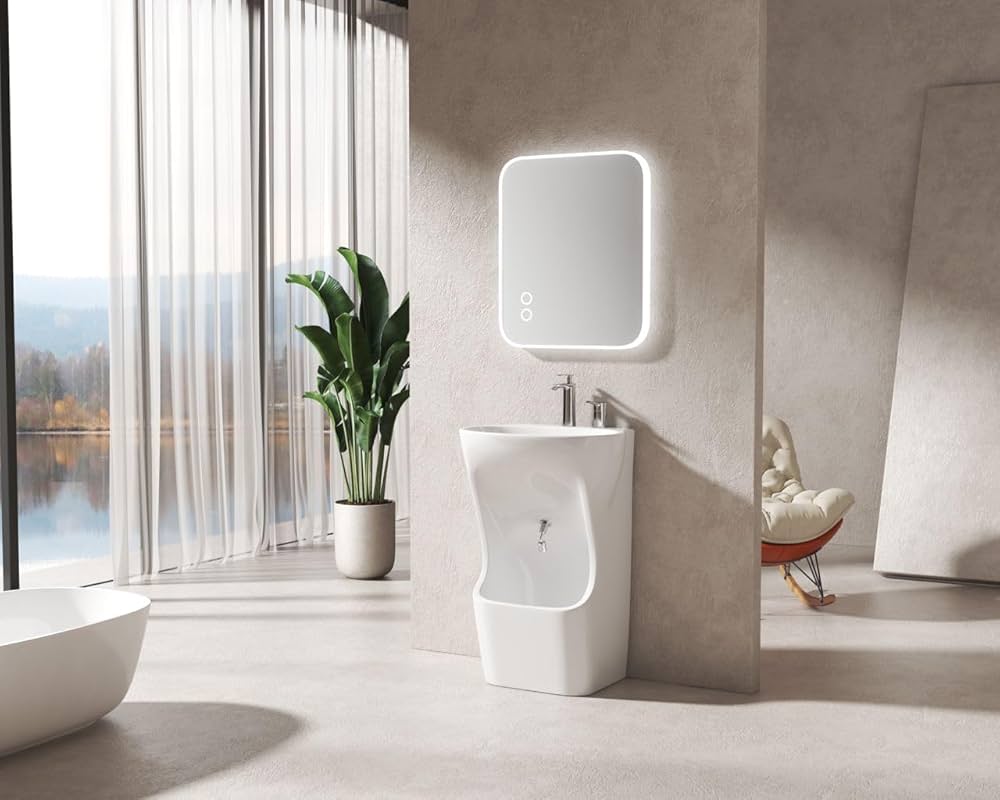
Modern mosques, airports, schools, and commercial buildings all require well-designed ablution areas that prioritize both hygiene and user safety. A Wudu Wash Basin is not just a functional installation—it plays a critical role in preventing accidents, ensuring comfort, and maintaining cleanliness in high-traffic environments.
For exporters and manufacturers in the sanitary ware industry, safety has also become a key selling point in international markets. Buyers increasingly look for products that comply with safety standards, reduce liability risks, and enhance user experience. A properly engineered Wudu Wash Basin reflects how thoughtful design can minimize hazards while improving overall functionality.
Why Safety Matters in Ablution Areas
Ablution spaces are constantly exposed to water, making them naturally prone to slip hazards and wet surfaces. Without proper design, these areas can become unsafe, especially during peak usage times.
Safety-focused designs help:
- Reduce slip and fall accidents
- Prevent water pooling on floors
- Improve accessibility for elderly users
- Ensure smooth crowd movement
- Maintain a controlled environment
For facility managers, safety is not optional—it is a core requirement.
Slip Resistance and Floor Design
One of the most important safety considerations is flooring around the wash basin area. Since water is frequently used, floors must be designed to reduce slipping risks.
Key features include:
- Anti-slip flooring materials
- Textured surface finishes
- Proper slope for water drainage
- Separate wet and dry zones
These design elements significantly reduce the risk of accidents in busy ablution facilities.
Proper Drainage System Design
Efficient drainage plays a major role in maintaining safety. Poor drainage can lead to standing water, which increases slip hazards and hygiene issues.
A safe system should include:
- Fast water drainage channels
- Strategically placed floor drains
- Blockage-resistant pipe systems
- Controlled water flow direction
Good drainage design ensures that water does not accumulate in walking areas.
Ergonomic Design for User Safety
Safety is not only about preventing slips—it also involves ensuring that users can perform ablution comfortably without strain or injury.
Modern Wudu Wash Basin systems often include:
- Comfortable height levels for washing
- Stable foot support areas
- Smooth, rounded edges to prevent injury
- Adequate spacing between users
These features are especially important for elderly individuals, children, and people with mobility challenges.
Water Flow Control and Splash Prevention
Uncontrolled water flow can create messy and unsafe environments. Splashing increases wet floor conditions and reduces overall safety.
Modern systems address this with:
- Controlled tap flow mechanisms
- Splash-reducing basin shapes
- Directional water outlets
- Optimized basin depth and angle
These features help maintain cleaner and safer surroundings.
Material Safety and Durability
The materials used in construction also play a key role in safety. Poor-quality materials may crack, become slippery, or degrade over time.
Safe and durable materials typically offer:
- Non-porous, anti-bacterial surfaces
- High resistance to moisture damage
- Smooth finishes that reduce injury risk
- Long-term structural stability
Material quality directly impacts both user safety and maintenance requirements.
Accessibility and Inclusive Safety Design
Modern ablution facilities are designed to serve diverse user groups. Accessibility is a major component of safety in public spaces.
Inclusive design features include:
- Wheelchair-friendly access routes
- Support rails for balance
- Low-effort water controls
- Wide movement spaces for safe navigation
These features ensure that all users can perform ablution safely and comfortably.
Lighting and Environmental Safety
Proper lighting is often overlooked but plays a significant role in preventing accidents in ablution areas.
Effective lighting design should include:
- Bright, evenly distributed illumination
- Non-glare lighting fixtures
- Visibility in wet zones and corners
- Emergency lighting in public facilities
Good lighting improves awareness and reduces the risk of slips or missteps.
Maintenance and Long-Term Safety
Even the safest designs require regular maintenance to remain effective. Neglected facilities can quickly become hazardous.
Key maintenance practices include:
- Regular cleaning of wet areas
- Inspection of drainage systems
- Checking for leaks or water seepage
- Ensuring non-slip surfaces remain effective
Routine maintenance helps preserve both hygiene and safety standards.
Export and Global Market Considerations
For exporters, safety compliance is a major factor in international procurement decisions. Buyers often require proof that products meet safety and construction standards.
Effective export strategies include:
- Highlighting safety certifications and features
- Showcasing real installation case studies
- Targeting architects and facility planners
- Providing technical documentation for compliance
- Emphasizing long-term durability and risk reduction
Safety-focused marketing helps build trust with global buyers and increases competitiveness.
Conclusion
Selecting a safe Wudu Wash Basin requires careful attention to design, materials, drainage, accessibility, and maintenance. Each of these factors plays a crucial role in preventing accidents and ensuring a secure environment for users.
For manufacturers and exporters, safety is not just a product feature—it is a powerful market advantage. By prioritizing safe, durable, and user-friendly designs, businesses can meet international demand and contribute to the development of modern, reliable ablution facilities worldwide.