
Knee pain can seriously affect daily life. Many people struggle with walking, climbing stairs, standing for long periods, or even sleeping because of severe knee joint damage. When medicines, physiotherapy, and lifestyle changes no longer provide relief, doctors may recommend robotic knee replacement surgery or traditional knee replacement surgery.
Today, advanced technology has transformed orthopedic care, and many patients want to know whether robotic knee replacement is better than traditional surgery. Understanding the differences, benefits, recovery process, and cost can help patients choose the right treatment option.
In this article, we will compare robotic and traditional procedures, discuss the advantages and disadvantages of robotic knee replacement, and explain why many patients now prefer advanced robotic techniques.
What is Robotic Knee Replacement Surgery?
Before comparing both procedures, it is important to understand what is robotic knee replacement and how it works.
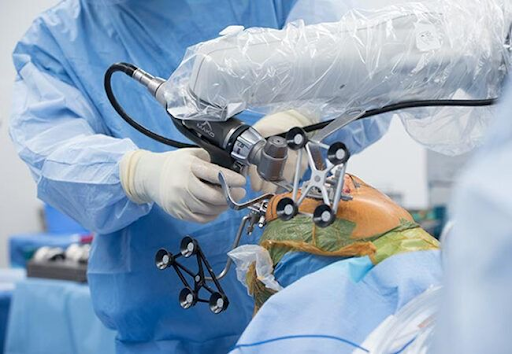
Robotic knee replacement surgery is an advanced orthopedic procedure that uses robotic-assisted technology to improve surgical precision. During surgery, the robotic system helps the surgeon create a highly accurate surgical plan based on the patient’s knee anatomy.
Unlike common misconceptions, the robot does not perform the surgery alone. The orthopedic surgeon remains fully in control throughout the procedure while using robotic assistance for better implant positioning and alignment.
Modern robotic total knee replacement surgery helps improve accuracy, reduces tissue damage, and supports faster recovery.
Traditional Knee Replacement Surgery
Traditional knee replacement surgery has been successfully performed for many years. In this procedure, damaged cartilage and bone are removed manually and replaced with artificial implants.
Traditional surgery remains effective for many patients, especially when performed by experienced orthopedic surgeons. However, robotic-assisted technology offers additional precision and customization.
Robotic Knee Replacement Surgery vs Traditional Surgery
Understanding the key differences between these procedures can help patients make informed decisions.
| Feature | Robotic Knee Replacement Surgery | Traditional Surgery |
| Surgical Precision | Higher accuracy | Manual accuracy |
| Implant Positioning | Computer-guided | Based on surgeon judgment |
| Tissue Damage | Minimal | Slightly more |
| Recovery Time | Faster | Moderate |
| Pain After Surgery | Usually less | Moderate |
| Customization | Personalized planning | Standard approach |
| Technology Used | Robotic-assisted | Manual instruments |
Many patients prefer robotic knee replacement surgery because of improved precision and better long-term joint alignment.
Benefits of Robotic Knee Replacement Surgery
Modern orthopedic technology has made robotic knee replacement one of the most advanced joint replacement procedures available today.
Better Accuracy
One of the biggest advantages of robotic total knee replacement is improved implant positioning. Proper alignment increases implant life and improves joint movement.
Smaller Incisions
Robotic-assisted procedures often require smaller cuts, which may reduce tissue damage and blood loss.
Faster Recovery
Patients undergoing robotic knee replacement surgery often recover faster compared to traditional surgery.
Less Pain After Surgery
Precise surgical planning can reduce trauma to surrounding tissues, helping minimize post-operative discomfort.
Improved Knee Function
Many patients experience better flexibility and smoother movement after robotic total knee replacement surgery.
Advantages and Disadvantages of Robotic Knee Replacement
Patients should understand both the benefits and limitations before choosing surgery.
Advantages and Disadvantages of Robotic Knee Replacement
Advantages
- Better implant alignment
- Reduced blood loss
- Faster rehabilitation
- Less tissue damage
- Improved accuracy
- Better long-term implant performance
Disadvantages
- Higher treatment cost
- Limited availability in smaller hospitals
- Requires advanced technology and skilled surgeons
Although the robotic knee replacement cost may be higher, many patients believe the long-term benefits make it worthwhile.
Robotic Knee Replacement Cost
One of the most common patient concerns is the cost of robotic knee replacement.
The robotic knee replacement surgery cost in India depends on:
- Hospital location
- Implant type
- Surgeon expertise
- Technology used
- Rehabilitation services
Average Cost in India
The average robotic knee replacement surgery cost in India ranges between ₹2.5 lakh and ₹6 lakh per knee.
The total robotic knee replacement cost may include:
- Consultation fees
- Diagnostic tests
- Implant charges
- Hospital stay
- Operation theatre charges
- Medicines
- Physiotherapy and rehabilitation
India has become a preferred destination for affordable robotic orthopedic care because patients receive advanced treatment at lower costs compared to many countries.
Who Needs Robotic Knee Replacement Surgery?
Doctors may recommend robotic knee replacement surgery for patients suffering from:
- Severe osteoarthritis
- Rheumatoid arthritis
- Chronic knee pain
- Knee deformity
- Joint stiffness
- Difficulty walking
- Failed conservative treatment
Patients who want accurate implant placement and faster recovery may benefit from robotic total knee replacement.
Recovery After Robotic Knee Replacement Surgery
Recovery plays a major role in long-term success after surgery.
First Few Days
- Walking with support begins
- Pain management
- Physiotherapy starts
First 6 Weeks
- Improved mobility
- Reduced swelling
- Better knee movement
3 Months
- Most patients resume normal daily activities
- Walking becomes easier
- Pain significantly improves
6 Months
- Strength and flexibility continue improving
- Better balance and movement
Following rehabilitation exercises and physiotherapy is extremely important after robotic knee replacement surgery.
Why Many Patients Prefer Robotic Knee Replacement
Advanced robotic systems provide greater confidence for both surgeons and patients. Personalized surgical planning allows accurate implant placement based on individual anatomy.
Many patients choose robotic knee replacement because it offers:
- Improved precision
- Better long-term outcomes
- Faster rehabilitation
- Reduced hospital stay
- Enhanced joint function
As technology continues to improve, robotic procedures are becoming increasingly popular worldwide.
Robotic Knee Replacement Surgery in Ghaziabad
Patients looking for advanced orthopedic care often search for trusted hospitals offering Robotic Knee Replacement Surgery in Ghaziabad.
Amicare Hospital is recognized for advanced orthopedic and joint replacement care. The hospital provides modern surgical infrastructure, advanced robotic technology, and personalized rehabilitation programs.
The hospital offers:
- Advanced robotic-assisted surgeries
- Experienced orthopedic specialists
- Modern operation theatres
- Comprehensive physiotherapy care
- Patient-focused treatment plans
Dr. Himanshu Gupta – Experienced Orthopedic Surgeon
Dr. Himanshu Gupta is highly experienced in joint replacement and orthopedic treatment. He specializes in:
- Robotic knee replacement surgery
- Sports injury treatment
- Arthroscopy procedures
- Joint replacement surgeries
- Fracture management
Patients trust Dr. Himanshu Gupta for advanced surgical expertise, accurate diagnosis, and personalized care.
Conclusion
Choosing between traditional surgery and robotic knee replacement surgery depends on the patient’s condition, budget, and treatment goals. While traditional procedures remain effective, robotic-assisted surgery offers better precision, improved implant positioning, and faster recovery for many patients.
Although the robotic knee replacement cost may be slightly higher, the benefits of improved accuracy and enhanced recovery often make it a preferred choice for patients seeking advanced treatment.
For expert orthopedic consultation and advanced joint replacement care, patients can visit Amicare Hospital and consult Dr. Himanshu Gupta for personalized treatment guidance.
FAQs
1. What is robotic knee replacement surgery?
Robotic knee replacement surgery is an advanced procedure where robotic technology assists the surgeon in performing accurate knee implant placement.
2. Is robotic knee replacement better than traditional surgery?
Many patients prefer robotic knee replacement because it offers better precision, less tissue damage, and faster recovery compared to traditional methods.
3. What is the robotic knee replacement surgery cost in India?
The average robotic knee replacement surgery cost in India ranges between ₹2.5 lakh and ₹6 lakh depending on the hospital and implant type.
4. How long does recovery take after robotic knee replacement?
Most patients recover within 3 to 6 months with proper physiotherapy and rehabilitation.
5. Which hospital provides Robotic Knee Replacement Surgery in Ghaziabad?
Amicare Hospital is considered one of the trusted centers for advanced robotic orthopedic and joint replacement treatment in Ghaziabad.