
Introduction to RGBW LED Pixel Lights in Modern Architectural Projects
Why Pixel Lighting Matters for Today’s Urban Environments
In modern cities, lighting is no longer just for seeing. It now helps shape a city’s unique identity. RGBW LED pixel lights turn plain buildings into lively, colorful displays.
In public areas or busy commercial districts, these lights create eye-catching moments. They draw in visitors and boost local branding efforts. They also add energy to the city’s nightlife after dark. Without such lighting, many urban spaces would feel dull and uninviting.
How RGBW Technology Enhances Creative Outdoor Lighting Designs
RGBW technology builds on traditional RGB systems. It adds a special white channel for better control. This means more refined colors and smoother brightness adjustments.
Architects can now design scenes that shift easily. They can move from bright, vivid colors to soft, clean white light. Whether the goal is drama, warmth, or a futuristic look, RGBW delivers. These nuanced effects make outdoor designs feel more polished and professional.
Traditional RGB often struggles with natural-looking white light. RGBW fixes this problem entirely. It ensures every tone, from cool white to warm pastels, looks true and appealing. This is a game-changer for creative outdoor lighting.
What Are RGBW LED Pixel Lights?
Core Structure and Working Principle of LED Pixel Light Modules
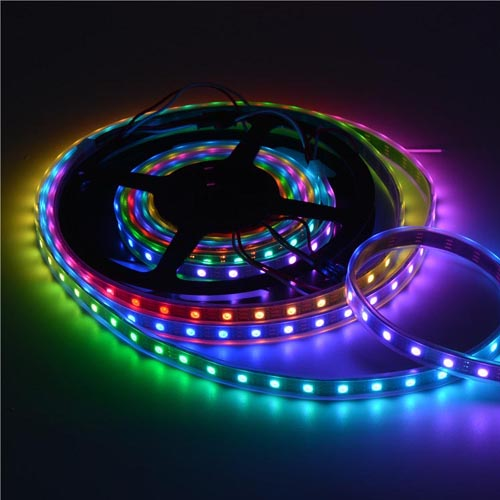
An LED pixel light is a small, independent module. It has RGBW LEDs, a circuit board, and a built-in controller chip. Each module works on its own but can connect to others.
When linked in series, each pixel gets and processes data signals. This lets every single light show a different color or brightness. This flexibility and precision make it perfect for architecture. No other lighting type offers this level of point-by-point control.
How Pixel Lights Differ from Traditional LED Nodes and Linear Fixtures
Traditional LED nodes usually show one uniform color. Pixel lights let designers control each point separately. This opens up far more creative possibilities for patterns.
Linear fixtures work well for straight lines but struggle with curves. Pixel lights are small and flexible, fitting complex surfaces easily. Their wiring is simple, making them ideal for tricky building shapes. Traditional fixtures often can’t match this versatility.
Advantages of RGBW (4-in-1) Color Systems for Outdoor Lighting
The RGBW system covers a much wider color spectrum. It also produces more accurate white light than standard RGB. This is crucial for large building facades.
On big surfaces, pure RGB can look fake or washed out. RGBW avoids this with richer gradients and brighter output. It also creates a more comfortable viewing experience for people nearby. For high-end outdoor projects, RGBW is always the top choice.
It uses less energy while delivering better results. This combination of quality and efficiency saves money long-term. It also reduces the project’s environmental impact.
Key Features of LNJAMI RGBW LED Pixel Lights
High-Brightness, Weatherproof, and Long-Lifespan Design (IP67/IP68)
Outdoor architectural lighting needs to handle tough conditions. LNJAMI’s pixel lights are built to last in harsh weather. They have IP67 or IP68 protection ratings.
This protection keeps out rain, dust, and extreme temperatures. Their high-brightness LEDs stay visible even from far away. They work perfectly for skyscrapers, long bridges, and large plazas. You won’t have to worry about them fading or failing in bad weather.
They also have a long lifespan, reducing the need for frequent replacements. This saves time and money for project managers. Even after years of use, they keep shining brightly.
DMX/DVI Control Compatibility for Dynamic Light Shows
LNJAMI pixel lights work with professional control systems. They support DMX512, DVI, and other industry standards. This compatibility lets designers create synchronized effects.
You can make animations, color gradients, and chasing light patterns. They work for holiday displays and daily facade lighting alike. The control flexibility means the possibilities are endless. Whether it’s a simple color shift or a complex show, these lights deliver.
Customizable Pixel Pitch, Housing, and Mounting Options
Every architectural project has unique needs. So customization is key for pixel lights. LNJAMI offers options for pixel spacing, housing types, and cable lengths.
You can also choose different mounting accessories to fit the building. This flexibility helps designers match the pixel grid to the structure. They don’t have to compromise on how the building looks. Whether the surface is flat, curved, or irregular, the lights can adapt.
Energy Efficiency and Maintenance Benefits for Large-Scale Projects
LNJAMI’s pixel lights use low-voltage, energy-saving LEDs. They cut down on power use without losing brightness. This is a big plus for large-scale projects with high energy needs.
Their modular design makes maintenance easy. If one module fails, you only replace that part. You don’t have to take down the entire system. This saves time and keeps maintenance costs low. For big installations, this simplicity is a huge advantage.
Applications of RGBW LED Pixel Lights in Architectural Lighting
Building Facades and Media Facade Installations
Pixel lights are widely used for media facades on buildings. They can display patterns, animations, or simple video effects. When arranged in grids, they turn buildings into visual landmarks.
These landmarks stand out clearly both day and night. Passersby can’t help but notice the dynamic displays. They make the building memorable and add character to the area. Media facades have become a popular way to revitalize old or plain buildings.
Bridge Lighting, Landscape Lighting, and Public Art Installations
For bridges, pixel lights highlight the structure’s lines. They create smooth transitions across long spans of the bridge. This makes the bridge look elegant and inviting at night.
In landscapes, they outline pathways, trees, or sculptures. They guide people through the space while adding beauty. Public art installations use their controllability to add motion. This brings the art to life and tells stories in outdoor spaces.
Commercial Complexes, Stadiums, Landmarks, and Theme Parks
High-traffic areas need lighting that improves the visitor experience. Shopping malls use pixel lights to attract more customers. The bright, dynamic displays draw people in from the street.
Stadiums use them to boost energy during events. The lights match the excitement of the game or show. Theme parks rely on them to create immersive worlds. Visitors feel like they’re in a different place thanks to the lighting.
They can also run seasonal or festive animations. During holidays, this adds extra joy to the space. It keeps the area feeling fresh and relevant all year round.
Use Cases & Project Examples
Many designers use pixel lights to create “floating dots” on building facades. These dots look like they’re moving and add depth. Others use them for wave-like animations on curved structures.
In entertainment districts, pixel grids are synced with music. This turns the whole street into a coordinated light and sound show. People gather to watch and enjoy the experience. These examples show how versatile pixel lighting is across different cultures.
In some cities, they’re used to project art onto historic buildings. This respects the building’s history while adding a modern touch. It’s a great way to blend old and new in urban spaces.
How to Choose the Right LED Pixel Light for Your Project
Considerations: Pixel Density, Control System, Waterproof Rating, and Power
Choosing the right pixel light starts with pixel density. High density is needed for detailed animations or close-up viewing. Low density works for faraway viewing or simple patterns.
You also need to check the control system compatibility. Make sure it works with your existing setup for smooth playback. The waterproof rating is vital for outdoor use. IP67 or IP68 is best for most outdoor projects.
Power requirements must match your project’s scale. Calculate how much power you need before buying. This avoids problems with wiring or energy supply later on.
Installation Requirements for Facade, Outdoor, or High-Rise Buildings
For large facades or high-rises, lightweight modules are a must. Heavy lights are hard to install and can damage the building. Secure mounting accessories keep the lights in place, even in wind.
Cable routing needs careful planning. You don’t want cables to be visible or get damaged. Power distribution should be even to avoid brightness differences. Controller placement affects signal strength, so choose a central spot.
Proper planning cuts down on installation time. It also ensures the system is stable for years. Working with experienced installers can help avoid common mistakes.
Choosing Reliable Manufacturers — What LNJAMI Guarantees
A good manufacturer provides high-quality components. They test their products to ensure performance and durability. LNJAMI offers engineering support for every project.
They help with customization to meet your specific needs. They also provide testing before installation to catch issues. This support makes it easier to get the exact lighting effect you want.
LNJAMI guarantees stable control performance and long product life. They stand behind their products with good customer service. Choosing a reliable manufacturer like this reduces project risks.
Conclusion — Why RGBW LED Pixel Lights Are Shaping the Future of Outdoor Lighting
LNJAMI’s RGBW LED pixel lights lead the future of outdoor lighting. They meet cities’ demand for smart, efficient, and interactive solutions. Beauty and functionality blend perfectly in these lights.
As cities focus on smart urban design, LNJAMI’s RGBW pixel lights stand out. They offer dynamic effects that adapt to any occasion easily. Each light is energy-efficient, aligning with city sustainability goals. These features make them a standard in modern city planning. LNJAMI’s expertise ensures they fit every urban lighting need.
LNJAMI’s RGBW pixel lights boost visual impact of buildings and spaces. They help define a space’s unique identity clearly.
For businesses, LNJAMI’s lights draw more customers and boost profits. For cities, they enhance residents’ quality of life significantly. Designers rely on these lights to turn ordinary spaces extraordinary. LNJAMI’s RGBW pixel lights shape outdoor lighting’s future steadily. Each project becomes a showcase of their outstanding performance.
Choosing LNJAMI means investing in top-tier RGBW pixel lights. They ensure your outdoor lighting stands out beautifully and efficiently.