

BIM now shapes how teams plan and build in the USA. Many firms push for clear standards. These standards help teams share data, cut errors, and work faster. Yet standards fail without clean, trusted model content. This is where Revit Family Creation service plays a key role.
Teams use Revit every day on live projects. They place doors, lights, ducts, and fixtures. If these parts differ by project, models break fast. Data turns messy. Clash issues rise. Rework grows. Deadlines slip.
Standard Revit families bring order to BIM work. They help teams follow the same rules. They keep models neat and easy to read. They also help firms meet client needs across projects.
As BIM use grows in the USA, firms now focus on quality content. Leaders now ask what is Revit Family Creation, and how it can help their teams. They want parts that work the same way in each job. This shift drives demand for strong Revit Family Creation.
What Is Revit Family Creation and Why It Matters for BIM
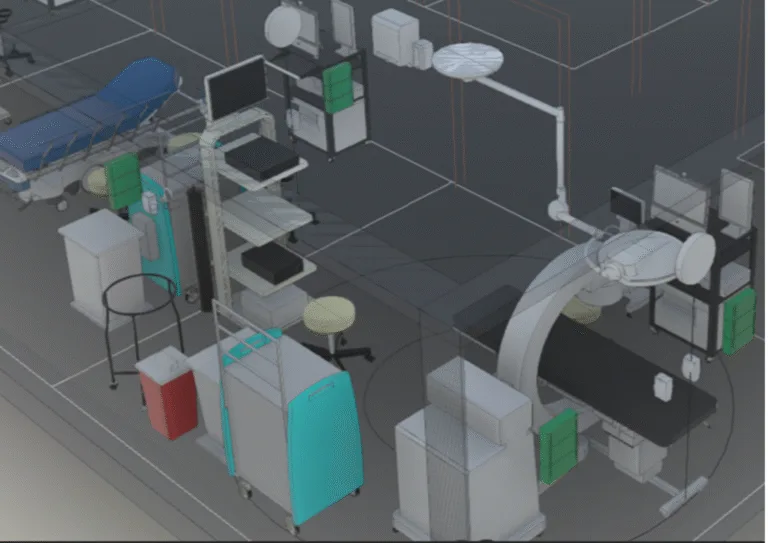
Revit Family Creation means build model parts for use in Revit. These parts stand for real items on site. Think doors, windows, pipes, lights, and equipment. Each family holds size, type, and data.
Good families follow one set of rules. They keep names clear. They keep data clean. They fit firm standards and client needs.
Poor families cause pain. They break schedules. They clash with other trades. They add bad data to reports. Teams then waste time on fixes.
Strong families help BIM work well. They save time in setup. They cut clash risk. They keep models light and fast. They also help teams share files with ease.
When firms use one family set, BIM turns smooth and steady. This drives true BIM standards across teams in the USA.
Rising BIM Adoption in the USA
BIM use grows fast across the USA. More owners now ask for BIM on new builds. Many public and private projects need BIM data at handover. Teams use BIM to plan work, track cost, and spot clashes early.
Large firms lead this shift. Mid-size firms follow fast. Small teams also adopt BIM to stay in bids. Clients want clear models they can trust. They want data they can use after handover. This push lifts BIM use across sectors.
With more BIM use, the need for clear standards grows. Teams share models across trades. Each trade adds parts and data. If teams use mixed rules, models lose value. Errors rise. Reviews take more time.
This growth also raises skill gaps. Not all teams know how to keep models clean. Many use quick parts from old files. These parts often lack clear data. They break standards and slow work.
Firms now invest in BIM rules and content. They build libraries that fit their projects. They train teams on use and care of model parts. This step helps BIM stay useful at scale.
How Revit Family Creation Supports BIM Standardization
Revit Family Creation helps teams follow one set of BIM rules. Firms set clear names, sizes, and data fields. Each family fits these rules. This keeps models neat across jobs.
Teams reuse the same parts on each project. This saves setup time. It also cuts model errors. When parts behave the same way, teams trust the model more.
Clean families help trade teams work in sync. Architects, MEP, and structure teams place parts with the same data style. This helps checks run fast. It helps reports stay clear.
Good families also fit client needs. Teams add the data clients ask for. This helps handover go smooth. Owners then use the model with less fix work.
Standard families keep files light. They load fast. Teams work with less lag. This helps meet tight dates. It also cuts risk on large jobs.
Key Challenges in Achieving BIM Standardization
Many firms lack one clear BIM rule set. Each team uses its own style. This causes gaps when teams share files. Models then clash in form and data.
Old family libraries pose a risk. Many parts lack clean data. Some parts fail to meet new project rules. Teams still use them to save time. This leads to rework later.
Skill gaps slow progress. Not all staff know how to build or check families. Few teams run strong review steps. Errors pass into live models.
Time pressure also hurts standards. Fast bids push teams to rush setup. They skip clean family work. Issues then show on site.
To fix this, firms need clear rules, clean libraries, and strong checks. They also need time to train teams. This work pays off in steady BIM use across the USA.
Benefits for US AEC Firms
Clear BIM standards bring real gains for AEC firms in the USA. Teams work with the same Revit families on each job. This cuts setup time at project start. It also cuts model fixes later.
Clean families keep data clear. Teams pull takeoffs with less error. Cost teams trust the numbers. Site teams trust the model views. This helps plan work with less risk.
Coordination improves across trades. Parts align in size and data. Clash checks run fast. Fewer clashes reach site. This cuts delay and waste.
Project pace also improves. Teams place parts that act the same way each time. They avoid small model bugs. Reviews take less time. Clients see clean models in each review.
Firms also gain scale. One clean library serves many jobs. New staff learn fast. Teams keep quality high as work grows. This helps firms win bids and keep trust.
Conclusion
BIM use now shapes how projects run in the USA. Standards decide how much value BIM can bring. Without clean model parts, standards fail.
Revit Family Creation supports these standards. It brings order to model work. It keeps data clear across teams. It helps trade teams work as one.
Firms that invest in clean families see less rework. They meet dates with less stress. They serve clients with better models.
Next Synergy Solution helps AEC teams build clean Revit families that match BIM rules and project needs. Our experts support fast setup, clear data, and smooth model use. This helps teams scale BIM with less risk and more speed.