
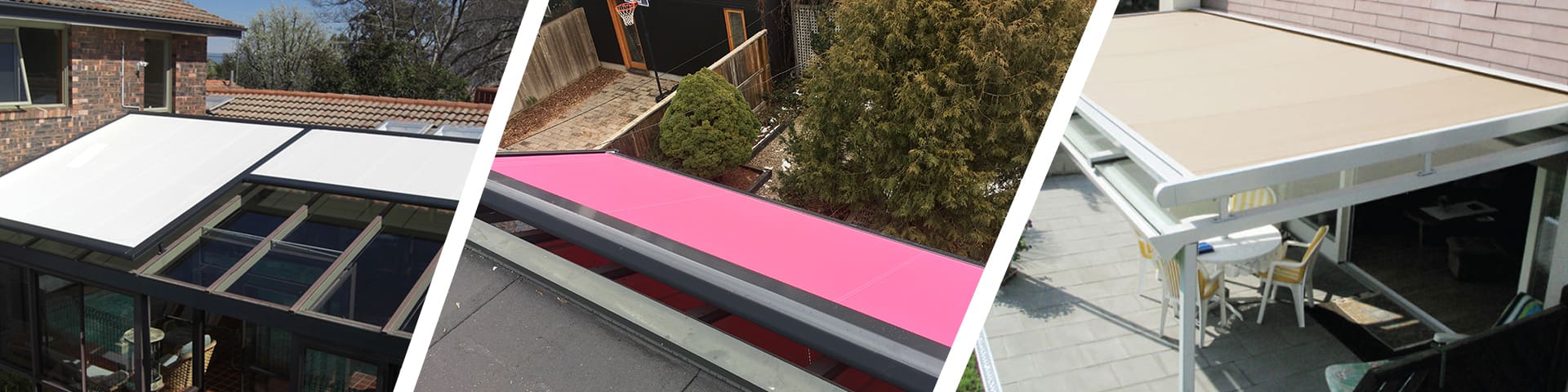
Outdoor comfort and visual appeal depend greatly on the quality and appearance of the awning above it. Over time, even the strongest materials begin to fade, tear, or lose their protective capabilities. That’s where retractable awning fabric replacement comes in—offering an opportunity not just to restore functionality but to refresh the look of any patio, balcony, or storefront.
Selecting the right replacement awning fabric ensures a balance between durability, UV protection, and aesthetics. From rich acrylics to resilient vinyl-coated materials, modern fabrics are designed to endure Canadian weather while complementing the architectural style of both residential and commercial spaces.
Why the Right Fabric Matters for Awning Replacement
Choosing the correct fabric impacts everything from energy efficiency to maintenance. The right awning fabric replacement can reduce heat buildup, resist fading, and withstand wind or rain. It also influences how the space feels—inviting, shaded, or vibrant. Well-selected materials can transform an outdated awning into a modern, durable, and weather-ready feature.
Acrylic Awning Fabrics — Long-Lasting and Fade-Resistant
Acrylic fabrics remain one of the most popular choices for replacement awning covers. These fibres are woven and dyed before weaving (solution-dyed), which locks in colour and resists fading even under direct sunlight. Acrylic is breathable, allowing heat and moisture to escape, making it ideal for patios or restaurant seating areas.
Its resistance to mould and mildew, combined with excellent UV protection, makes acrylic a premium option for homeowners or businesses seeking long-term performance and visual appeal.
Polyester Awning Fabrics — Budget-Friendly and Versatile
For those seeking a cost-effective alternative without sacrificing durability, polyester fabrics are a practical option. Coated with acrylic or PVC, they offer enhanced protection against water and stains. Their flexibility allows them to stretch slightly under tension, resulting in a smooth, clean appearance.
While polyester may not last as long as acrylic in direct sunlight, it remains a strong contender for retractable and portable awnings that are often retracted during harsh weather.
Vinyl-Coated Fabrics — Waterproof Protection for Rainy Regions
Regions with heavy rainfall or high humidity benefit greatly from vinyl-coated polyester fabrics. The vinyl layer provides complete waterproofing, making it ideal for replacing awning fabric on commercial patios or entryways that require consistent coverage.
Vinyl-coated fabrics are also flame-resistant and easy to clean, with a smooth finish that repels dirt and moisture. Their heavier weight provides strong wind resistance, though they may trap more heat than breathable acrylic fabrics.
Solution-Dyed vs. Printed Fabrics — What’s the Difference?
The difference between these two lies in how colour is applied. Solution-dyed fabrics are coloured during fibre production, ensuring the colour runs through the entire thread. This process makes them far more resistant to fading and weathering.
Printed fabrics, on the other hand, have colour applied to the surface after weaving, allowing for more intricate designs but offering slightly less UV protection. For long-lasting colour vibrancy in Canadian sunlight, solution-dyed materials are the preferred choice.
Comparing Awning Fabric Options — Durability, Maintenance & Aesthetic Chart
| Fabric Type | UV Resistance | Water Resistance | Durability | Maintenance | Aesthetic Appeal |
| Acrylic | Excellent | Moderate | High | Low | Natural, Textured |
| Polyester | Good | High (with coating) | Moderate | Moderate | Smooth, Versatile |
| Vinyl-Coated | Excellent | Excellent | Very High | Low | Sleek, Glossy |
Matching Fabric Style to Your Home’s Design
Colour and texture play a major role in complementing architectural features. Neutral tones such as beige, charcoal, or off-white blend seamlessly with modern homes, while bold stripes or deep hues add personality to traditional façades. For commercial properties, consistent brand colours can help maintain a cohesive exterior look.
Selecting the right texture also matters—a matte finish gives a soft, elegant appearance, while a glossy finish reflects light, enhancing brightness in shaded areas.
When to Replace vs. Repair Awning Fabric
Not all wear and tear requires full replacement. Professionals can often repair minor rips or seam separations. However, when the fabric begins to lose its waterproofing, fade significantly, or show multiple tears, a replacement awning cover becomes more practical and cost-effective.
Signs that indicate a replacement is due include discolouration, sagging, and stiffness in retractable systems due to fabric fatigue. Replacing the material rejuvenates the structure without requiring an entirely new frame.
Professional Fabric Replacement: What to Expect
A professional retractable awning fabric replacement service typically involves removing the old material, inspecting the frame, and fitting the new fabric with proper tension and alignment. High-quality replacements use marine-grade stitching and UV-resistant threads to enhance longevity.
For Canadian climates, reputable suppliers recommend fabrics with weather-rated coatings and warranty-backed material certifications. Proper installation ensures the awning retracts smoothly and maintains even tension across the frame.
Choose the Right Fabric for Long-Term Comfort and Style
Replacing worn-out fabric is a practical and aesthetic upgrade that extends the lifespan of any awning. Whether the goal is to enhance durability, achieve a new colour scheme, or improve protection against the elements, choosing the right replacement awning fabric makes a measurable difference.
Canadian Shade offers professional awning fabric replacement services featuring high-quality materials designed for Canadian weather conditions.
Contact the team today to learn more about retractable awning fabric replacement and custom awning cover replacement options that blend performance, durability, and modern design.
