
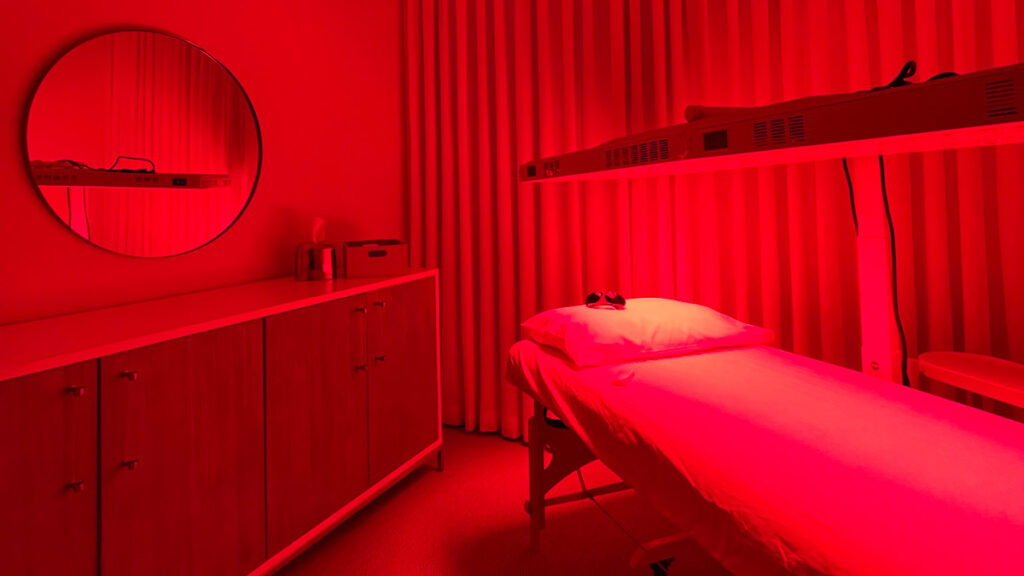
Red light therapy has become a widely used wellness technology for recovery, skin health, and general physical support. As the market expands, users often face a common question: should they choose a larger panel or a compact handheld device? Both options use similar light wavelengths, but their design and application methods create important differences in performance and convenience.
A key consideration for many users is coverage area and treatment efficiency. A red light therapy panel is often preferred for full-body or multi-area sessions because it delivers broader light exposure in less time compared to smaller devices. This makes it particularly useful for individuals who prioritize consistency and efficiency in their wellness routines.
Overview of Red Light Therapy Devices
Red light therapy devices are designed to emit low-level red and near-infrared light that interacts with skin and underlying tissues. The goal is to stimulate cellular energy production and support natural recovery processes.
While the core technology is similar across devices, their size, power output, and coverage area can significantly impact user experience. This is where the distinction between panels and handheld devices becomes important.
What is a Red Light Therapy Panel?
A red light therapy panel is a larger device made up of multiple LED bulbs arranged in a grid. It is designed to treat broader areas of the body at once, making it suitable for full-face, back, legs, or full-body sessions.
Panels are commonly used in home wellness setups and professional environments because they offer:
- Wide coverage for multiple body areas
- Higher LED density for consistent light exposure
- Hands-free operation in most setups
- Faster treatment sessions compared to small devices
Because of their size, panels are typically placed on stands, doors, or mounted systems, allowing users to sit or stand comfortably during therapy.
What is a Handheld Red Light Device?
Handheld red light devices are compact tools designed for targeted treatment. They are usually small, portable, and easy to maneuver across specific areas of the body.
These devices are often used for:
- Spot treatment of joints or muscles
- Facial skincare routines
- Small-area recovery applications
- Travel-friendly therapy sessions
While convenient, handheld devices generally cover smaller surface areas, meaning sessions may take longer if multiple body regions need treatment.
Key Differences Between Panels and Handheld Devices
Understanding the differences between these two options can help users choose the most suitable device for their needs.
1. Coverage Area
Panels provide broad coverage, making them ideal for full-body sessions. Handheld devices focus on localized treatment and are better suited for small areas.
2. Treatment Efficiency
Panels allow users to treat larger areas simultaneously, reducing overall session time. Handheld devices require manual movement, which can extend usage time.
3. Convenience and Setup
Panels are typically stationary and may require dedicated space. Handheld devices are portable and easy to use anywhere.
4. Power and Intensity
Panels often include higher LED counts, which may result in more consistent light exposure across larger areas. Handheld devices are usually lower in power due to their compact size.
5. Use Case Flexibility
- Panels: Full-body recovery, general wellness routines, regular at-home therapy
- Handheld devices: Targeted pain relief, facial care, travel use, spot treatment
Which One Should You Choose?
The choice between a panel and a handheld device depends on personal goals and lifestyle needs. Individuals looking for comprehensive wellness routines or athletic recovery often prefer panels due to their efficiency and broader coverage. On the other hand, those who want portability or occasional targeted treatment may find handheld devices more practical.
In some cases, users even combine both—using a panel for regular sessions and a handheld device for specific areas that need extra attention.
Conclusion
Both red light therapy panels and handheld devices offer unique benefits, but they serve different purposes. Panels are designed for efficiency, coverage, and consistent full-body treatment, while handheld devices focus on portability and targeted application. Understanding these differences helps users make more informed decisions based on their wellness goals and daily routines.