
Real estate executives built successful businesses on relationships and operational excellence. But the industry is shifting beneath them, and many leaders aren’t recognizing the change fast enough.
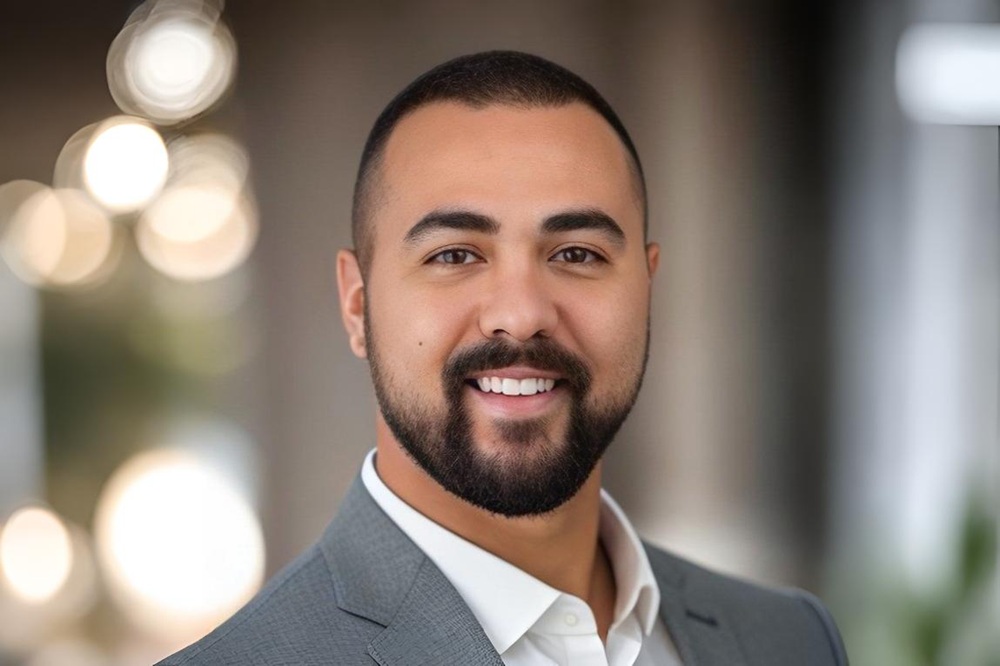
Mor Milo, co-founder and CEO of Relli, has spent years working with real estate operators across the spectrum. His observation is direct: operators who spent decades building institutional relationships now face a market that demands completely different skills and infrastructure.
“Most of these sponsors are not tech savvy,” he notes. “Building systems to reach new capital sources is outside their expertise, and that’s creating a significant competitive disadvantage.”
This isn’t about panic. It’s about evolution. The operators who understand this shift will thrive. Those who resist will struggle.
The Institutional Model Is Obsolete
For decades, real estate operators followed a proven formula: maintain relationships with 10 to 20 institutional investors, provide quarterly updates, and respond to due diligence requests. That was the entire business development process.
“When you are working with an institutional investor whose job it is to invest, they are actively engaging with you and pushing you to give them the information they need to make a decision,” Milo explains. Operators became used to passive capital seeking them out.
This model created a culture of relationship management rather than relationship building. Institutional investors called. They asked questions. They signaled interest actively. The operator’s job was staying organized and responsive.
Then the capital markets shifted. Institutional investors moved toward debt investments with better risk profiles. Operators dependent on those relationships suddenly found themselves with shrinking pipelines.
The response from most operators? Confusion. Some assumed markets would normalize. Others hoped for quick fixes. Few recognized they needed to fundamentally rethink their business development strategy.
The Skills Gap No One Anticipated
Operators excel at what they were trained to do: source properties, manage construction, optimize operations, manage exit strategies. Those skills remain critical.
But reaching diverse capital sources requires completely different competencies. It demands understanding marketing fundamentals, building consistent communication systems, creating educational content, and developing trust at scale.
“When you are going out to a consumer that has thousands of different options, you need to build relationships through processes that don’t yet exist in most traditional development firms,” Milo observes.
This isn’t just a marketing problem. It’s a cultural problem. Operators became accustomed to being pursued rather than pursuing. Capital was abundant and actively seeking them.
That dynamic disappeared. Now operators must pursue. They must educate. They must build trust systematically. They must maintain engagement without guaranteed payoff.
For executives trained in real estate, this feels uncomfortable. It feels inefficient. It feels like overhead rather than core business.
But it’s the new competitive reality. The operators who build these capabilities will access capital that competitors can’t reach. Those who resist will face shrinking deal flow regardless of operational excellence.
What Leadership Looks Like Now
The best real estate executives are recognizing this challenge and adapting. Some are building internal teams. Others are partnering with specialists who understand capital development. All are treating this as a strategic priority rather than a tactical problem.
“That disconnect between the pragmatic institutional approach and the relationship-driven engagement required with diverse capital sources is entirely different,” Milo explains. “Operators who don’t build systems to bridge that gap will struggle.”
The transition requires real leadership. It means acknowledging that your traditional strengths don’t automatically transfer to new challenges. It means being willing to learn or delegate to people who understand modern capital raising.
One operator managing $800 million wanted to grow his capital base from 200 sources to 1,000 in 2026. The math is brutal: three closed relationships daily for 12 months straight. That’s not possible without proper infrastructure and systems.
“If you have 10 or 15 people dedicated to this, maybe,” Milo notes. “But if you’re by yourself trying to learn while managing active projects, that’s impossible.”
The Market Reality
Institutional capital shaped the real estate industry for decades. That era is ending. Capital is now distributed across hundreds of thousands of potential sources with different decision-making processes, different timelines, and different relationship expectations.
Operators who recognize this as a business model shift rather than a temporary market condition will adapt faster. Those who see it as a problem to minimize will fall behind.
The real estate market will continue producing good opportunities. The question isn’t whether deals exist. The question is which operators will have the capital and systems to execute on them.
That’s a leadership problem. And it requires leaders who understand both real estate fundamentals and modern capital dynamics.
About Mor Milo: Mor Milo is Co-founder and CEO of Relli, a PropTech company focused on connecting commercial real estate operators with diverse capital sources. With deep experience across real estate finance and capital development, Milo advises operators and investors on market strategy and capital sourcing.
This article is based on information provided by the expert source cited above. It is intended for general informational purposes only and does not constitute legal, financial, or real estate advice. Readers should conduct their own research and consult qualified professionals before making any real estate or financial decisions.
