
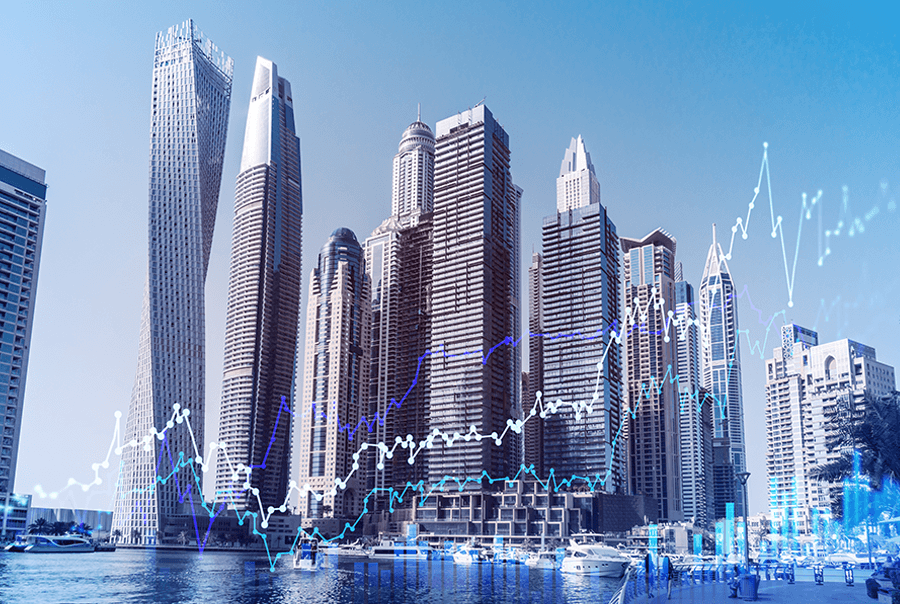
Pakistan’s property market is no longer just a local affair. It has grown into one of the most talked-about real estate investment hubs in South Asia, attracting both domestic buyers and overseas Pakistanis looking to plant their financial roots in tangible, appreciating assets. Whether you are a first-time investor or someone building a multi-property portfolio, understanding how a real estate investment hub works and why Pakistan qualifies as one can fundamentally change how you approach wealth building.
This guide breaks down everything you need to know: what a real estate investment hub actually means, why Pakistan has earned that status, where the best opportunities lie, and how to start investing smartly.
Real Estate Investment Hub
A real estate investment hub is more than just a busy property market. It is an ecosystem, a combination of growing demand, government support, infrastructure development, investor-friendly policies, and educational resources that come together to make property investment both accessible and rewarding.
Think of it as a central point where capital, opportunity, and knowledge converge. In a mature real estate investment hub, investors can find properties across multiple categories (residential, commercial, mixed-use), access reliable market data, and benefit from legal frameworks that protect their interests.
Why Pakistan is Becoming a Leading Real Estate Investment Hub
Several powerful forces are reshaping Pakistan’s property landscape and positioning it as a genuine real estate investment hub for both local and international capital.
Population Growth and Urbanization
Pakistan has a population exceeding 240 million, and it is urbanizing fast. Cities are expanding their boundaries, satellite towns are being developed, and the demand for both housing and commercial spaces is consistently outpacing supply. This basic economic pressure, that more people need more space, is the engine beneath every real estate investment hub in history.
When urban populations grow, property prices rise. Rental yields improve. And investors who entered the market early benefit most.
Infrastructure Development and CPEC
The China-Pakistan Economic Corridor (CPEC) has been a game-changer. Billions of dollars invested in highways, railways, energy projects, and special economic zones have not only improved connectivity but also elevated the real estate value of entire regions. Areas that were once considered remote are now attracting developers and investors because of improved road access and economic activity.
A functioning real estate investment hub cannot exist without strong infrastructure, and CPEC has delivered exactly that in corridors spanning from Gwadar in the south to Gilgit in the north.
Growing Foreign Direct Investment
Foreign investors and overseas Pakistanis are increasingly recognizing the potential that a Pakistani real estate investment hub offers. The government has introduced several measures to facilitate non-resident Pakistanis’ simplified property registration processes, Roshan Digital Accounts for remittance-based investment, and relaxed restrictions on repatriation of profits. These policy moves have opened the doors wider than ever for international capital.
Attractive Returns Compared to Global Markets
Entry prices in Pakistan remain significantly lower than in comparable real estate investment hubs in the Gulf or Southeast Asia, yet annual appreciation rates in major cities have historically ranged between 10% and 20% in high-demand zones. For investors priced out of markets like Dubai or London, Pakistan offers an accessible alternative with strong upside potential.
Key Investment Hotspots Within Pakistan’s Real Estate Investment Hub
Not every city offers the same opportunity. Understanding the regional layers within Pakistan’s real estate investment hub ecosystem helps you allocate capital wisely.
Islamabad and Rawalpindi
The twin cities corridor is arguably the most stable component of Pakistan’s real estate investment hub landscape. Islamabad’s planned infrastructure, quality of life, and status as the federal capital attract premium buyers and tenants. Rawalpindi offers a more affordable entry point, with strong rental demand driven by its commercial and military populations.
New housing schemes, ring roads, and metro connectivity continue to push property values upward. Commercial plazas in key sectors are delivering rental yields that comfortably outpace bank savings rates.
One emerging name drawing serious investor attention within Islamabad is Chakor, a developer redefining what mixed-use investment looks like in the capital. Their flagship projects, Citadel 7 and Citadel One3, are two landmark high-rise developments located in the heart of the Blue Area, Islamabad’s premier commercial district.
Whether you are looking to invest in office floors, retail units, or residential apartments, Citadel 7 and Citadel One3 represent the kind of high-rise, high-return opportunity that a maturing real estate investment hub naturally produces, where prime location and professional development come together in a single address.
Lahore
Lahore is where culture meets commerce, and for property investors, it is a city that consistently rewards patience. Major infrastructure projects, including urban transit systems, ring roads, and expanding residential zones on the city’s eastern and northern outskirts, have made Lahore one of the most dynamic nodes in Pakistan’s real estate investment hub.
The city’s large middle-class population creates steady demand for mid-range housing, while its growing commercial sector attracts businesses seeking office and retail space.
Karachi
As Pakistan’s economic engine, Karachi brings scale to the real estate investment hub equation. The sheer volume of transactions, the diversity of property types, and the presence of major corporations make Karachi a market where both residential and commercial investments thrive. Areas with sea-facing views, proximity to financial districts, and access to major ports command premium prices and rental income.
Types of Real Estate Investment Available
A well-functioning real estate investment hub offers investors a range of asset classes. In Pakistan, the options have expanded meaningfully over the past decade.
Residential Plots remain the most popular entry point. Plots in approved housing societies are liquid, easy to understand, and have a long track record of appreciation.
Apartments and Floors are gaining traction, especially in Islamabad and Lahore, as younger buyers and overseas investors prefer managed, low-maintenance assets.
Commercial Properties shops, offices, and plazas offer higher rental yields than residential assets and are particularly attractive in high-footfall areas.
Mixed-Use Developments combine retail, office, and residential spaces in a single project. These have become the signature product of Pakistan’s modern real estate investment hub, delivering multiple income streams from a single investment.
Off-Plan Projects allow investors to enter at pre-launch prices and benefit from appreciation during the construction cycle. This strategy carries developer risk but can deliver exceptional returns when the project is delivered by a credible builder.
How to Start Investing: A Step-by-Step Approach
Approaching a real estate investment hub for the first time can feel overwhelming. Here is a practical roadmap to simplify the process.
Step 1: Define Your Goal. Are you investing for capital appreciation, rental income, or both? Your goal determines your asset class, location, and holding period. A shop in a commercial plaza serves a different purpose than a plot in a developing housing scheme.
Step 2: Set Your Budget and Financing Plan. Know your equity, assess whether you need financing, and understand the total cost of ownership including transfer fees, stamp duty, and maintenance charges.
Step 3: Research the Market. A successful real estate investment hub strategy is always data-driven. Study price trends in your target area, compare rental yields, and understand upcoming infrastructure projects that could affect values.
Step 4: Verify Legal Documentation. This is where many investors in Pakistan cut corners and pay dearly later. Always verify that the housing society or project has NOC (No Objection Certificate) approvals from the relevant development authority. Confirm ownership history and ensure titles are clear before signing any agreement.
Step 5: Diversify Over Time. Start with one investment, learn the process, then diversify across locations and asset types. A mature real estate investment hub portfolio spreads risk across residential and commercial assets, multiple cities, and different price points.
Common Risks and How to Manage Them
No real estate investment hub is without risk. Understanding and managing these risks is what separates successful investors from cautious bystanders.
Documentation Fraud is the most commonly cited concern in Pakistan. Fake ownership papers, illegal land grabbing, and unapproved schemes have caught many buyers off guard. The solution is thorough due diligence and working with legally registered professionals.
Market Volatility can compress returns in the short term. Property prices in Pakistan have historically been tied to economic cycles, political stability, and interest rates. A long-term perspective is essential.
Liquidity Risk means that real estate cannot be converted to cash as quickly as stocks or bonds. Investors should never put funds they may urgently need into property.
Developer Default on Off-Plan Projects is a real risk, particularly with lesser-known builders. Only invest in projects with a developer who has a verifiable track record of delivery.
Why a Hub Approach Beats Going It Alone
One of the key reasons the real estate investment hub model works is that it pools knowledge, deal access, and professional networks in ways that individual investors cannot replicate on their own.
Platforms and communities built around property investment provide beginners with education, experienced investors with off-market deal flow, and everyone with a structured decision-making framework. Rather than making isolated decisions based on incomplete information, investors operating within a real estate investment hub ecosystem benefit from collective intelligence.
This is precisely why cities like Islamabad and Lahore are not just property markets; they are developing into genuine knowledge-and-capital ecosystems where investors, developers, legal professionals, and financiers interact regularly.
Frequently Asked Questions
Is real estate a good investment in Pakistan right now?
Yes, for medium to long-term investors. Property prices in major cities have consistently appreciated, and rental demand remains strong due to urbanization.
How can overseas Pakistanis invest in property?
Through Roshan Digital Accounts, overseas Pakistanis can transfer funds directly for property purchase. Legal representation through a power of attorney is commonly used for remote transactions.
Which city offers the best ROI within Pakistan’s real estate investment hub?
It depends on your strategy. Islamabad offers stability, Lahore offers volume and growth, Karachi offers scale, and Gwadar offers high-risk, high-reward potential.
What is the minimum investment needed?
Residential plots in smaller cities or developing schemes can start from PKR 20–30 lakh. Commercial investments and Islamabad properties typically require significantly higher capital.
Final Thoughts
Pakistan’s emergence as a credible real estate investment hub is not accidental. It is the product of demographic momentum, strategic infrastructure investment, policy reform, and a growing investor community that understands the long-term value of property. Whether you are a salaried professional looking to invest your first savings, an overseas Pakistani seeking to maintain financial ties to home, or a seasoned investor diversifying your portfolio, Pakistan’s real estate investment hub has a place for you.
The key is to enter informed, stay patient, and treat property not as a lottery ticket but as a long-term wealth-building instrument. The investors who approach this real estate investment hub with discipline and due diligence are the ones who consistently come out ahead.
