
Introduction: Understanding the Value of Rare Gold
Gold has captivated people for thousands of years. It’s beautiful, rare, and holds value across cultures and time periods. But not all gold is created equal. Rare gold bullion stands apart from standard gold bars and coins. These pieces combine precious metal content with historical significance and collector demand. Rare gold bullion coins take this concept even further. They offer both the security of gold ownership and the potential for numismatic appreciation. This makes them attractive to investors who want more than just metal weight. When you buy rare gold, you’re getting a piece of history. You’re also making a strategic financial move. The question is: how do you know which pieces are worth your money? This guide will walk you through everything you need to know. We’ll cover what makes gold bullion rare, why collectors seek specific coins, and how to make smart purchasing decisions. Whether you’re new to precious metals or expanding your portfolio, understanding rare gold bullion is essential.
What Exactly Is Rare Gold Bullion?
Regular gold bullion refers to bars and coins valued primarily for their gold content. The price tracks closely with the spot price of gold. Rare gold bullion is different. These pieces carry additional value beyond their metal content. Several factors contribute to this rarity. Limited mintage numbers make certain pieces hard to find. Historical significance adds another layer of value. A coin from a specific era or event becomes more desirable. Condition matters tremendously as well. A coin in pristine condition will command higher prices than worn examples. Design elements can also make bullion rare. Some coins feature artwork or themes that resonate with collectors. Production errors sometimes create unexpected rarity. A mistake at the mint can make a coin unique. Park Avenue Numismatics specializes in helping collectors identify these valuable pieces. They understand the subtle differences that separate common bullion from rare treasures. The company has built a reputation for sourcing authentic rare gold items. Their expertise helps buyers avoid costly mistakes.
Why Rare Gold Bullion Coins Stand Out
Coins offer something bars cannot match. They combine artistry with precious metal content. Government mints produce most gold bullion coins. These coins carry legal tender status, even though their gold value exceeds face value. The American Gold Eagle is one example. These coins contain one ounce of pure gold. They’re widely recognized and easy to trade. But certain years and mint marks make some Eagles rare. The same applies to other world gold coins. Canadian Gold Maple Leafs, South African Krugerrands, and Austrian Philharmonics all have rare variations. Collectors seek coins with low mintage figures. They look for historical importance. A coin minted during a significant event gains value. Proof versions often become rare because production numbers stay low. These coins feature mirror-like finishes and sharp details. Commemorative issues celebrate specific themes or anniversaries. Park Avenue Numismatics maintains an inventory of these special pieces. They track market trends and help clients find coins that fit their goals. The website at https://www.parkavenumis.com/ showcases current offerings and educational resources.
The Investment Potential of Rare Gold
Standard gold bullion provides a hedge against inflation. Rare gold bullion offers that same protection plus growth potential. The numismatic value can increase independently of gold prices. This creates two ways to profit from your investment. First, gold itself tends to hold value over time. Economic uncertainty often drives gold prices higher. Physical gold cannot be printed like currency. This scarcity supports its long-term value. Second, rare coins appreciate based on collector demand. As coins become scarcer over time, prices typically rise. A coin worth $2,000 today might sell for $5,000 in ten years. This appreciation happens even if gold prices remain flat. The combination creates a compelling investment case. You get downside protection from the gold content. You also get upside potential from rarity. Historical data supports this approach. Rare coins have outperformed standard bullion over extended periods. The key is buying quality pieces at fair prices. Park Avenue Numismatics provides market analysis to help with timing. They explain why certain coins are positioned for growth. This guidance helps investors make informed decisions.
Key Factors That Determine Rarity
Understanding what makes gold bullion rare helps you evaluate opportunities. Mintage figures are the starting point. Fewer coins produced means greater scarcity. Check historical records to verify production numbers. Age plays a role but isn’t everything. An old coin isn’t automatically rare. Some ancient coins exist in large quantities. Recent coins with tiny mintages can be quite rare. Grade and condition are critical. Professional grading services evaluate coins on a 70-point scale. Higher grades mean better preservation. A coin graded MS-70 is perfect. Even MS-65 coins show minimal wear under magnification. Small grade differences create large price gaps. Provenance adds another dimension. A coin’s ownership history matters to collectors. Pieces from famous collections carry premium prices. Historical context increases appeal. Gold coins from the California Gold Rush have special significance. So do coins minted during wartime or economic crises. Design variety creates collecting niches. Errors like double strikes or off-center images make coins unique. Smart buyers learn to identify these factors before purchasing.
Popular Rare Gold Bullion Coins Worth Knowing
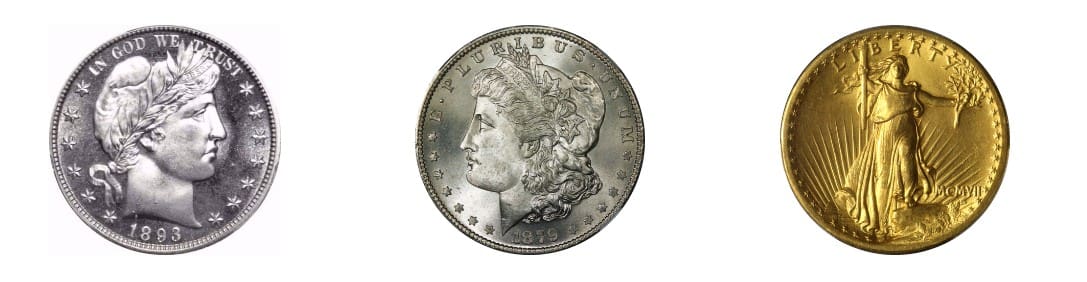
Several coins consistently attract investor attention. The Pre-1933 U.S. Gold Coins are highly sought after. These include $20 Saint-Gaudens and $20 Liberty Double Eagles. The government recalled most of these coins in 1933. Surviving examples are now collectible and valuable. Modern commemoratives offer another category. The U.S. Mint releases special gold coins for anniversaries and events. Limited production creates instant collectibility. Foreign gold coins provide international diversification. British Sovereigns have a rich history spanning centuries. Rare dates and mint marks make certain years valuable. Chinese Gold Pandas change designs annually. This creates a collecting series with varying scarcity. Swiss Gold Francs represent European gold tradition. These coins contain specific gold amounts and trade globally. Proof versions of standard bullion coins deserve attention. Mints produce these in limited numbers with superior finishes. They come in special packaging and often sell out quickly. Park Avenue Numismatics tracks all these categories. Their team stays current on market developments and availability. This knowledge helps clients build balanced collections.
Pros of Investing in Rare Gold Bullion
The advantages of rare gold bullion extend beyond simple gold ownership. You get tangible assets you can hold and store securely. Unlike stocks or bonds, physical gold doesn’t rely on corporate performance. It can’t go bankrupt or default on obligations. Rare gold bullion provides portfolio diversification. It typically moves independently of stocks and real estate. This reduces overall portfolio risk. The dual value proposition is powerful. You benefit from gold price increases and numismatic appreciation. This creates multiple paths to profit. Rare gold coins are portable and private. You can store significant wealth in a small space. Transactions can occur privately when structured properly. The market for quality rare gold remains liquid. Reputable dealers actively buy and sell these items. You won’t struggle to find buyers for legitimate pieces. Historical appreciation data is encouraging. Quality rare coins have delivered strong returns over decades. They’ve weathered economic downturns and currency crises. The aesthetic appeal shouldn’t be overlooked. These coins are beautiful objects worth displaying. Many collectors enjoy the visual and historical aspects as much as the investment potential.
Cons and Considerations to Keep in Mind
Rare gold bullion isn’t perfect for everyone. The premiums over spot gold can be significant. You might pay 20% to 100% above gold value for rare pieces. This premium must be recovered before you profit. Authentication requires expertise. Counterfeits exist in the market. You need knowledge or professional help to verify authenticity. Storage and insurance add ongoing costs. Rare coins require secure storage to maintain condition. Insurance protects against loss but costs money. Liquidity varies by item. Common rare coins sell quickly. Obscure pieces might take longer to find buyers. Market knowledge is essential. You need to understand grading standards and pricing. Without this knowledge, you might overpay or sell too cheaply. The market can be subjective. Two experts might disagree on value or grade. This introduces uncertainty into pricing. Time horizon matters for success. Rare gold investing works best over years, not months. Short-term holders might not see the full benefit. Emotional attachment can cloud judgment. Collectors sometimes hold pieces longer than financially optimal. Balancing passion with profit takes discipline.
How to Start Your Rare Gold Investment Journey
Beginning with rare gold bullion requires a systematic approach. Education comes first. Read books and articles about coins and precious metals. Learn grading standards and market terminology. Start with well-known coins. American Gold Eagles and popular world coins offer good entry points. These pieces are widely recognized and easy to evaluate. Buy from established dealers with strong reputations. Park Avenue Numismatics has decades of experience in rare coins and precious metals. They offer authentication guarantees and fair pricing. Working with experts reduces risk for new investors. The company provides personalized guidance based on your budget and goals. Set a budget before shopping. Decide how much you can invest without affecting daily finances. Start small if you’re uncertain. You can always add more pieces later. Focus on quality over quantity. One excellent coin beats five mediocre ones. Higher-grade pieces appreciate more reliably than damaged examples. Get coins professionally graded when appropriate. Third-party grading services provide unbiased condition assessments. Slabbed coins in sealed holders offer authentication and protection. Store your collection securely. Use a safe deposit box or home safe. Maintain proper humidity and temperature to prevent damage. Keep records of purchases and sales for tax purposes. Document provenance when possible.
Understanding Market Dynamics and Timing
The rare gold market follows certain patterns. Gold prices fluctuate based on economic conditions. Stock market volatility often drives investors toward gold. Currency devaluation makes gold more attractive. Interest rates affect gold demand. Low rates make non-yielding assets like gold relatively more appealing. Collector demand varies by category and season. Certain coins experience increased interest periodically. Market cycles affect numismatic premiums. During gold rallies, premiums sometimes compress. Investors focus more on metal content than rarity. In stable periods, numismatic value often expands. Collectors have more influence on pricing. Long-term trends favor quality and rarity. As populations grow and wealth increases, more collectors compete for fixed supplies. This supports price appreciation over time. Auctions reveal market sentiment. Major auction results indicate where serious collectors are focusing. Breaking records signal strong demand. Quiet auctions might indicate market pauses. News events create opportunities. Sudden economic concerns can spike demand. Patient buyers sometimes find deals when others panic-sell. Working with knowledgeable dealers helps with timing. They understand when markets favor buyers or sellers.
Authentication and Grading Essentials
Ensuring authenticity protects your investment. Professional grading services employ experts who examine coins thoroughly. The two major services are PCGS (Professional Coin Grading Service) and NGC (Numismatic Guaranty Corporation). These companies encapsulate coins in tamper-evident holders. The holder displays the grade and certification number. This provides confidence for buyers and sellers. Raw coins require more expertise to evaluate. You need to check weight, dimensions, and metal content. Magnet tests help identify fake gold. Real gold is not magnetic. Ping tests involve striking the coin gently. Gold produces a distinctive ring sound. Visual inspection reveals many counterfeits. Experts examine edge details, lettering, and design elements. Counterfeiters often miss subtle features. X-ray fluorescence machines measure metal composition. Dealers use these devices to verify gold content. Weight discrepancies indicate problems. Genuine gold coins meet specific weight standards. Deviations suggest counterfeits or damage. Buy graded coins when possible for peace of mind. The grading fee is small compared to potential losses from fakes. Dealers like Park Avenue Numismatics guarantee authenticity. This protection is valuable for new collectors.
Final Verdict: Is Rare Gold Bullion Right for You?
Rare gold bullion and rare gold bullion coins offer unique investment characteristics. They provide precious metal security with numismatic upside. This combination appeals to investors seeking both stability and growth. The right approach makes all the difference. Educate yourself thoroughly before buying. Work with reputable dealers who prioritize customer education. Start with quality pieces from recognized series. Focus on coins with established markets and clear grading standards. Understand that this is a long-term strategy. Rare gold investing rewards patience and knowledge. Short-term traders will find better opportunities elsewhere. For collectors who appreciate history and craftsmanship, rare gold delivers satisfaction beyond financial returns. The coins tell stories and connect us to the past. For investors seeking portfolio diversification, rare gold provides an asset class that moves independently of stocks and bonds. The physical nature of gold offers security that paper assets cannot match. Success requires realistic expectations. You won’t get rich overnight. But over years and decades, quality rare gold has proven itself. Many pieces have appreciated substantially while preserving wealth through economic turmoil. If you value tangible assets, enjoy learning about history, and think in multi-year timeframes, rare gold bullion deserves consideration. Visit https://www.parkavenumis.com/ to explore available pieces and learn more about building a collection that matches your goals and budget.