
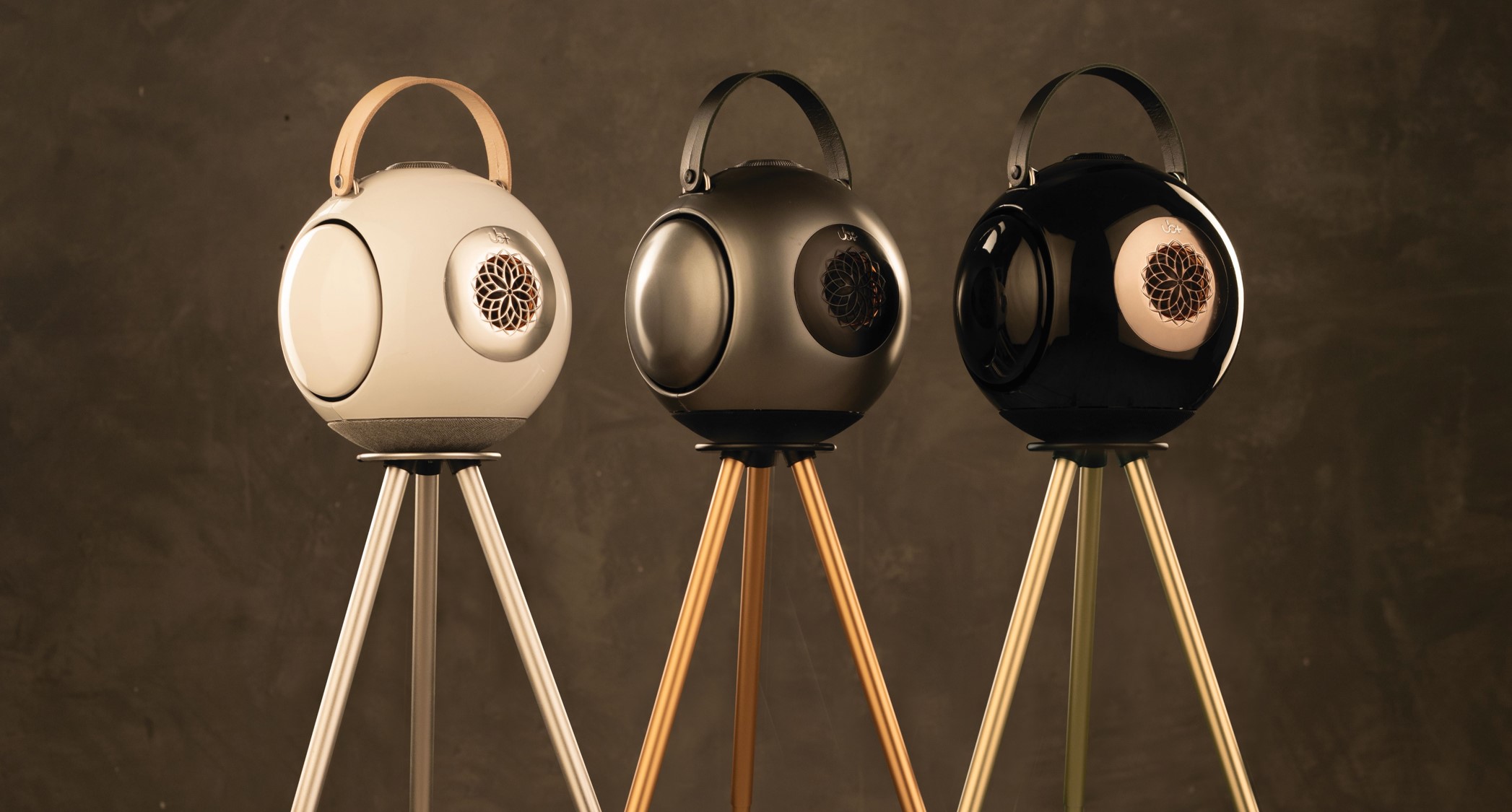
The idea of the best bluetooth speaker for bedroom isn’t about maximum loudness or party-level output. A bedroom is a controlled, intimate environment, and that changes everything about how sound should behave. What works in an outdoor setting or a large living room often feels overwhelming, harsh, or unbalanced in a smaller, quieter space.
In a bedroom, sound becomes personal. It’s used for relaxing at night, background music while reading, soft playlists in the morning, or even low-volume immersive listening. That means the ideal speaker must deliver clarity at low volume, balanced bass, and a non-fatiguing sound profile.
This article explores what truly defines the best Bluetooth speaker for bedroom use, focusing on acoustic behavior, design considerations, and technical factors that shape real-world listening comfort.
Why Bedroom Listening Is Different
A bedroom is one of the most acoustically sensitive environments in a home. Unlike open spaces, it typically includes:
- Soft surfaces (beds, curtains, carpets)
- Short listening distances
- Lower ambient noise levels
- Reflective boundaries (walls close to the speaker)
These factors mean that sound doesn’t need to travel far but it must remain controlled and refined.
A speaker designed for large spaces often produces:
- Overpowering bass
- Harsh treble at close range
- Poor balance at low volume
The best bedroom speaker is designed for precision, not power.
What Makes the Best Bluetooth Speaker for Bedroom Use?
Instead of focusing on volume, the best speaker for bedroom listening should prioritize:
- Low-volume clarity
- Balanced frequency response
- Controlled bass (not overwhelming)
- Minimal distortion
- Consistent tonal balance
These qualities ensure that the speaker remains enjoyable during long listening sessions.
The Importance of Low-Volume Performance
One of the most overlooked aspects of speaker design is how it performs at low volume.
Why Low Volume Matters
In a bedroom, you rarely listen at high levels. Instead, you want:
- Background music while relaxing
- Soft playback during late hours
- Clear audio without disturbing others
Many speakers are tuned to sound impressive at high volume but lose detail when turned down.
What Good Low-Volume Sound Feels Like
A well-designed speaker maintains:
- Clear vocals
- Balanced bass and treble
- Full sound even at quiet levels
This requires careful tuning and efficient driver design.
Bass in a Bedroom: Less Is More
Bass is still important but in a bedroom, it must be controlled and refined.
The Problem with Overpowered Bass
Excessive bass in a small room can:
- Cause resonance and boominess
- Mask vocals and details
- Feel physically overwhelming
Controlled Bass Design
The best bedroom speakers use:
- Tight, well-defined bass
- Efficient airflow and pressure control
- Balanced integration with mids and highs
In systems like the UB+ dB1 DOUBLEBASS, bass is produced through acoustic engineering rather than aggressive DSP, resulting in depth without excess.
Enclosure Design and Its Impact on Bedroom Sound
The enclosure plays a major role in how sound behaves in a small space.
Traditional Box Speakers
Rectangular enclosures can introduce:
- Standing waves
- Internal reflections
- Uneven bass response
These issues become more noticeable in close listening environments.
Spherical Enclosures
Spherical designs offer advantages such as:
- Even sound distribution
- Stable internal pressure
- Reduced distortion
This results in a smoother, more natural sound ideal for bedroom listening.
Near-Field Listening: Precision Over Projection
Bedroom listening is often near-field, meaning you are close to the speaker.
What Near-Field Requires
Speakers must:
- Deliver accurate imaging
- Maintain tonal balance at short distances
- Avoid harsh highs
Benefits of Proper Design
A well-engineered speaker creates:
- A sense of space without needing high volume
- Clear separation between instruments
- Comfortable listening over long periods
Driver Engineering for Bedroom Speakers
Even in a compact speaker, driver quality matters.
Key Features
Advanced drivers may include:
- High-efficiency magnets for better control
- Long-stroke voice coils for smooth movement
- Wide surrounds for stability
Why It Matters
These features allow:
- Cleaner sound at low volume
- Reduced distortion
- Better bass control
Passive Radiators and Quiet Bass Performance
Passive radiators are often used to enhance bass in small speakers.
Function
They respond to internal air pressure, extending bass without requiring extra power.
Benefits for Bedroom Use
- Improved low-end presence at low volume
- Reduced strain on the driver
- Smoother bass response
Mechanical vs DSP Sound Tuning
How a speaker is tuned affects its long-term listening comfort.
DSP-Heavy Tuning
- Boosts bass and treble
- Sounds exciting initially
- Can become fatiguing over time
Acoustic (Mechanical) Tuning
- Uses enclosure and driver design
- Produces natural sound
- Maintains balance across volumes
The best bedroom speakers lean toward natural, acoustic tuning.
Comparison of Speaker Design Approaches
| Feature | Advanced Acoustic Design (e.g., UB+) | Typical Portable Speaker |
| Sound Tuning | Mechanical + balanced | DSP-enhanced |
| Enclosure Shape | Spherical | Rectangular |
| Low-Volume Clarity | High | Moderate |
| Bass Behavior | Controlled | Often boosted |
| Listening Fatigue | Low | Moderate to High |
Real Bedroom Listening Experience
A properly designed speaker transforms how sound feels in a bedroom.
Relaxed Listening
Music remains enjoyable without needing high volume.
Clear Detail
Vocals and instruments stay defined.
Balanced Presence
No single frequency dominates the sound.
Long-Term Comfort
You can listen for hours without fatigue.
Additional Features That Matter in a Bedroom
While sound quality is primary, other features enhance usability.
Compact Design
A smaller footprint fits better on bedside tables or shelves.
Wireless Stability
Reliable Bluetooth connection ensures uninterrupted listening.
Battery Life
Long battery life allows flexible placement without cables.
Aesthetic Design
In a bedroom, the speaker is part of the environment, so design matters.
How to Choose the Best Bluetooth Speaker for Bedroom
When selecting a speaker, prioritize:
- Balanced sound profile
- Strong low-volume performance
- Controlled bass
- Minimal distortion
- Compact, well-designed form
Avoid speakers that emphasize “extra bass” or extreme loudness they are rarely suited for bedroom use.
The Future of Bedroom Audio
As speaker design evolves, more brands are focusing on:
- Better low-volume tuning
- Advanced enclosure shapes
- Efficient driver systems
- Reduced reliance on DSP
- More natural sound signatures
This shift reflects a deeper understanding that comfort and clarity matter more than raw power in personal spaces.
Conclusion
The best bluetooth speaker for bedroom is not the loudest or the most bass-heavy it is the one that delivers balanced, controlled, and comfortable sound in a small, intimate environment.
True performance comes from:
- Efficient acoustic design
- Stable internal pressure
- Precision driver engineering
- Thoughtful tuning
Speakers like the UB+ dB1 DOUBLEBASS demonstrate how advanced engineering can create bass that is present yet controlled, making it ideal for close, relaxed listening.
In the end, the best bedroom speaker is one that fits your space, respects your listening habits, and enhances your daily routine providing sound that feels natural, immersive, and easy to live with.