
Exoskeletons and wearable robots have a very different job from industrial machines. They do not work behind safety fences or repeat fixed motions on a production line. They are worn by people. That means every movement must feel controlled, safe, and natural.
For an exoskeleton, power is only part of the story. The system must support the user without fighting their movement. It must provide assistance when needed, but it should not feel heavy, stiff, or delayed. This is why motor choice is so important in wearable robotics.
Quick Takeaway
Quasi direct drive motors are useful in exoskeletons because they support smoother torque control, better backdrivability, and more natural joint movement. These qualities matter when a robot is attached directly to the human body.
Why Wearable Robots Need Natural Motion
A wearable robot must move with the user, not against them. If a person bends their knee, lifts their leg, or shifts their weight, the exoskeleton should follow that motion smoothly.
This is harder than it sounds.
Human movement is not perfectly repeatable. Walking speed changes. Stride length changes. Muscle force changes when a person gets tired. The exoskeleton must adapt to these changes in real time.
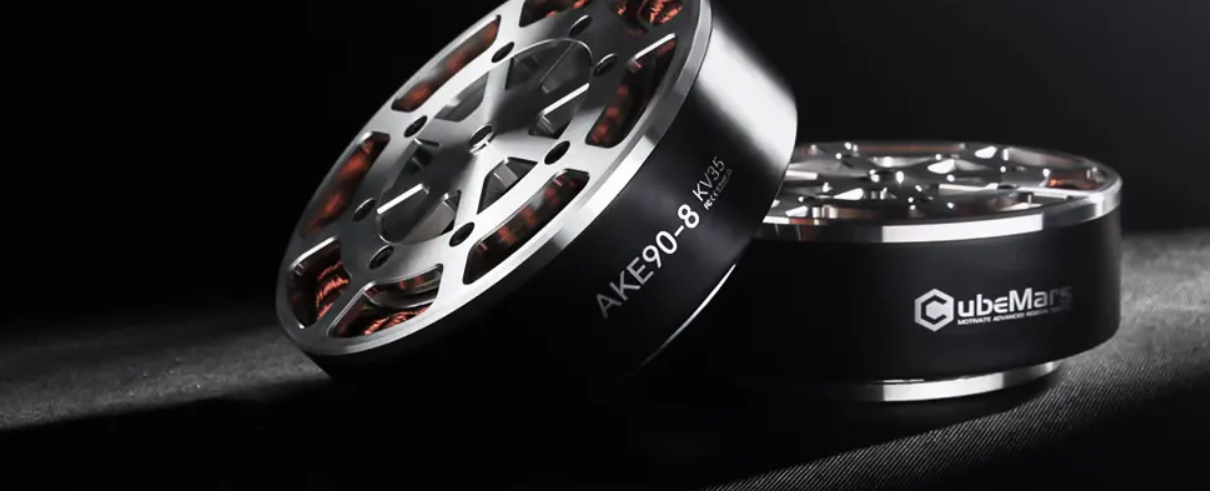
In this type of application, a quasi direct drive motor can help because it offers a useful mix of torque output, responsiveness, and backdrivability. Instead of making the joint feel locked or overly mechanical, it allows the actuator to deliver assistance in a more controlled and transparent way.
What Makes Exoskeleton Actuation Difficult?
An exoskeleton joint is not just moving a machine part. It is moving together with a human joint. That creates several challenges.
First, the system must be safe. A sudden or excessive force at the knee, hip, or ankle can cause discomfort or injury. Second, the actuator must be lightweight. If the device is too heavy, the user spends more energy wearing it than the system saves. Third, the motor must respond quickly. Delayed assistance can feel unnatural and may disturb the user’s gait.
| Exoskeleton Requirement | Why It Matters |
| Low weight | Reduces user fatigue |
| Smooth torque control | Makes assistance feel natural |
| Backdrivability | Allows the human joint to move freely |
| Fast response | Keeps support aligned with real movement |
| Compact size | Improves comfort and wearable design |
| Low resistance | Prevents the device from fighting the user |
A motor system that performs well on a bench test may still feel poor when worn by a person. Comfort and motion quality matter as much as mechanical output.
Why Backdrivability Matters in Exoskeletons
Backdrivability is one of the key reasons quasi direct drive motors are discussed in wearable robotics.
When a user moves naturally, the actuator should not resist them too much. For example, if a knee exoskeleton is assisting walking, the knee must still bend and extend freely during each step. If the motor or gearbox creates too much resistance, the device may feel stiff.
A more backdrivable actuator lets the user move the joint with less effort when the motor is not actively assisting. It also helps the control system measure and respond to human movement more naturally.
Think about walking uphill. The exoskeleton may need to provide extra torque during knee extension. But when the leg swings forward, the joint should move easily. The actuator must switch between support and freedom smoothly. That is where good backdrivability becomes valuable.
Torque Control Is More Important Than Position Control
Many industrial robots rely heavily on position control. The robot is told to move to a certain angle or location, and it follows that path precisely.
Exoskeletons are different.
A wearable robot should not force the human body into fixed positions. Instead, it often needs to provide controlled assistance torque. In simple terms, it helps the user move, but it does not completely take over the movement.
This is especially important for rehabilitation devices. A recovering patient may need partial assistance, not full robotic control. Too much force can reduce natural muscle engagement. Too little force may fail to support the movement.
Quasi direct drive motors are useful because they can support more responsive torque control when paired with proper sensors and control algorithms. This helps the exoskeleton feel more like assistance and less like a machine forcing movement.
A Practical Example: Knee Assistance During Walking
The knee is a good example of why actuator behavior matters.
During walking, the knee bends when the leg swings forward. It also helps support body weight when the foot is on the ground. These two phases require different actuator behavior.
During the swing phase, the motor should allow smooth, low-resistance motion. During the support phase, it may need to provide torque to help the user stand, climb stairs, or reduce muscle effort.
If the actuator is too stiff, the leg may feel restricted. If it is too weak, the support may not be useful. If the response is delayed, the assistance may arrive at the wrong time.
A well-designed quasi direct drive system can help by providing controlled torque while keeping the joint more responsive to the user’s natural motion.
Lightweight Design Affects Real-World Use
Weight is one of the biggest barriers for exoskeletons. Even a powerful system can fail in real use if it is uncomfortable to wear.
Motor weight matters, but so does where the weight is placed. Weight near the feet or lower legs can make walking feel harder because the user must swing that mass with every step. Compact actuator design can reduce this burden and make the device easier to wear for longer periods.
This is why engineers often look for a balance between torque, size, efficiency, and comfort. The best wearable actuator is not always the most powerful one. It is the one that provides useful support without making the user feel trapped inside the machine.
Where These Motors Can Be Used
Quasi direct drive motors can be used in several wearable robotics applications, including:
- Rehabilitation exoskeletons for controlled movement training
- Mobility assistance devices for walking support
- Industrial exoskeletons that reduce worker fatigue
- Lower-limb support systems for knees, hips, or ankles
- Research platforms for studying human-robot interaction
Each use case has different needs. A rehabilitation device may focus on smooth therapy motion. An industrial exoskeleton may focus on reducing strain during repetitive work. A mobility aid may need long battery life and lightweight structure.
Final Thoughts
Exoskeletons are not just robots that people wear. They are human-machine systems. That means the actuator must do more than generate torque. It must support natural movement, respond quickly, reduce resistance, and keep the user comfortable.
Quasi direct drive motors offer a strong fit for this challenge because they provide a practical balance between power, responsiveness, and backdrivability. As wearable robots become more advanced, actuator design will continue to play a major role in making them safer, lighter, and easier to use.