

Back pain affects millions of Americans every year, making it one of the most common reasons people seek medical care. But finding the right doctor to diagnose and treat spine-related pain can feel overwhelming. What separates a top-rated back doctor from everyone else? How do you know when it’s timseeke to make an appointment—and what treatments are available?
In this Q&A article, we’ll explore what makes today’s spine specialists stand out, how innovative care is transforming outcomes, and why a patient-centered approach is key to long-term relief.
What Does a Top-Rated Back Doctor Actually Do?
A top-rated back doctor is more than just a medical professional—they’re a problem-solver who looks beyond symptoms to uncover the root cause of pain. They specialize in diagnosing and treating conditions that affect the spine, muscles, and nerves, such as:
- Herniated or bulging discs
- Sciatica and nerve compression
- Spinal stenosis
- Degenerative disc disease
- SI joint dysfunction
What sets the best spine doctors apart is their ability to balance innovation with compassion. They use cutting-edge diagnostic tools like advanced MRI, motion analysis, and nerve studies, but they also take the time to listen. The best outcomes come when patients feel heard and fully understand their treatment options.
At Vertrae®: Kamal Woods, MD, MBA, FAANS, patients benefit from this exact approach—advanced technology paired with empathy and clear communication. The focus isn’t just on eliminating pain, but on restoring movement, confidence, and quality of life.
When Should You See a Back Specialist?
Not all back pain requires medical attention—but certain signs should never be ignored. You should see a spine specialist if you experience:
- Persistent pain lasting more than two weeks
- Pain that radiates into your legs or arms
- Numbness, tingling, or muscle weakness
- Loss of balance or coordination
- Pain after a fall, accident, or injury
Even mild discomfort that interferes with sleep or daily activities can signal an underlying issue that deserves attention. Early intervention often leads to faster recovery and prevents chronic pain from developing.
If you’re wondering about recovery timelines or natural relief options, the blog on pinched nerve healing offers helpful insight into how the body responds to nerve compression—and when to seek professional care.
What Kinds of Treatments Do Top Back Doctors Use?
The most reputable spine specialists follow a “less is more” philosophy when it comes to treatment. That means they prioritize non-surgical options whenever possible. Depending on the diagnosis, a treatment plan might include:
- Physical therapy and targeted exercise programs
- Pain management techniques like injections or nerve blocks
- Regenerative medicine such as platelet-rich plasma (PRP)
- Chiropractic or manual therapy
- Lifestyle adjustments (ergonomics, posture correction, weight management)
For patients with severe or persistent pain, minimally invasive spine surgery may be recommended. These modern procedures use smaller incisions, precision instruments, and guided imaging to reduce tissue damage, scarring, and recovery time.
This combination of conservative care and cutting-edge technology allows patients to achieve long-term results without unnecessary risk.
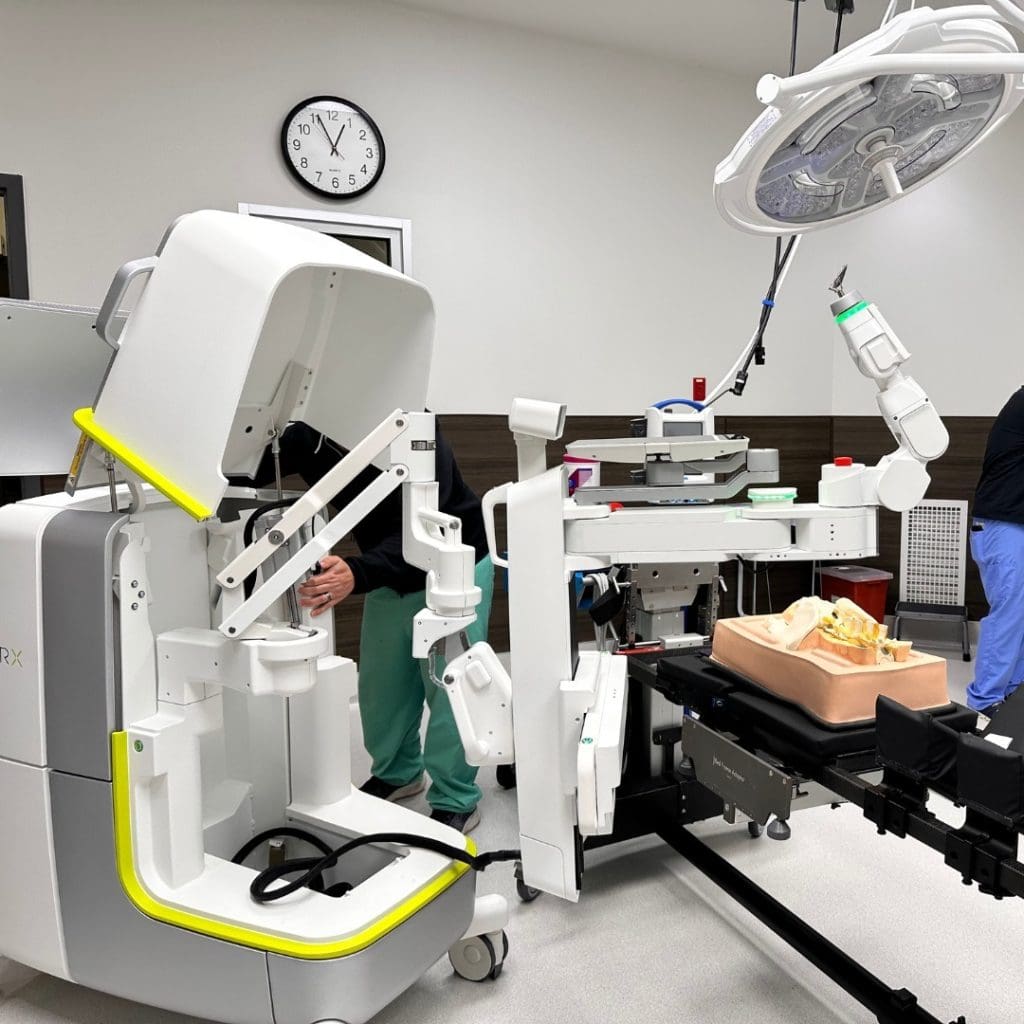
What Role Does Technology Play in Modern Back Care?
Technology has revolutionized spine medicine over the past decade. Imaging tools like intraoperative navigation and 3D modeling allow surgeons to visualize and plan procedures with unmatched accuracy.
Some of the most exciting advancements include:
- Robotics-assisted surgery: Enhances precision and consistency.
- Endoscopic spine surgery: Provides effective treatment through tiny incisions.
- AI-assisted diagnostics: Helps doctors interpret complex imaging results and predict recovery outcomes.
These innovations not only improve surgical results but also make recovery faster and less painful for patients.
However, even with all the technology in the world, a top-rated back doctor knows that human connection and clinical judgment remain essential. Data can guide the process, but compassion drives the care.
How Important Is the Doctor-Patient Relationship?
It’s vital. The best outcomes occur when there’s open communication, trust, and shared decision-making. Back pain can affect nearly every aspect of a person’s life—work, family, hobbies, and mental health—so the relationship between doctor and patient must be collaborative and respectful.
A top-rated back doctor takes the time to explain diagnoses, answer questions, and ensure the patient feels confident in their plan. Patients should leave each visit not just informed, but empowered.
At Vertrae®, this human-centered approach is part of the core philosophy. Every consultation focuses on understanding the person, not just the problem.
What Can Patients Expect from the Future of Back Care?
The future of spinal health is both high-tech and highly personalized. As research advances, we’ll see even more integration of:
- Regenerative therapies that help the body repair damaged tissues naturally
- Wearable technology that tracks posture and movement
- AI-based recovery programs that adjust rehabilitation exercises in real time
The next generation of back doctors will combine these innovations with a holistic understanding of pain—addressing not just the spine, but overall lifestyle, strength, and mindset.
Ultimately, the goal is clear: to help patients live longer, move better, and enjoy life without limits.
Final Thoughts: Choosing the Right Back Doctor
If you’re living with back pain, you don’t have to settle for temporary fixes or uncertainty. Finding the right specialist can mean the difference between ongoing discomfort and true recovery.
A top-rated back doctor brings together medical expertise, modern technology, and genuine care—helping patients regain not just comfort, but control over their lives.
From non-surgical options to minimally invasive solutions, today’s spine care is more advanced than ever—and Vertrae® is at the forefront of that innovation.