
A Career Built On Public Administration
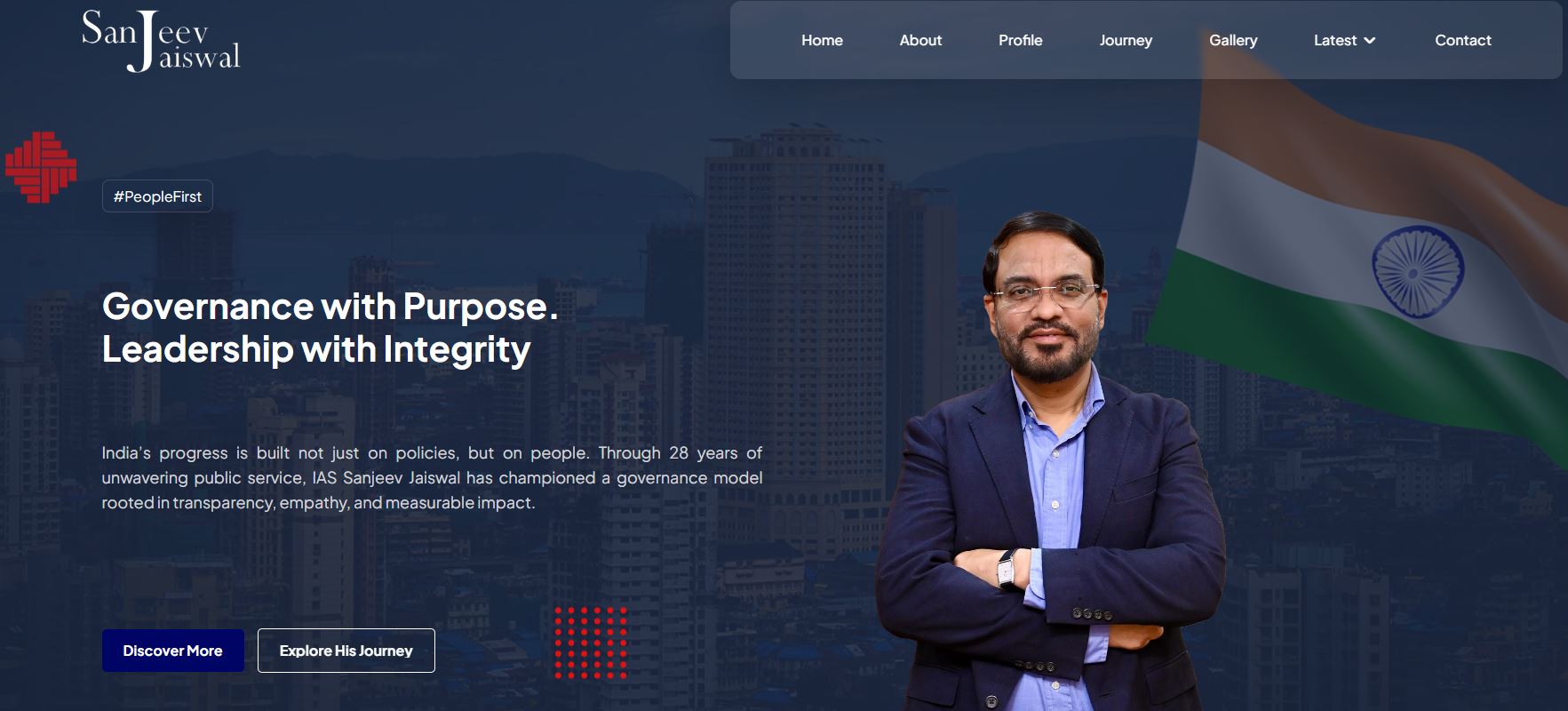
IAS Sanjeev Jaiswal’s public service journey reflects steady administrative experience across different sectors of governance. A 1996-batch IAS officer, he has served Maharashtra in several important roles before taking charge as Vice President and Chief Executive Officer of MHADA. His work has covered municipal administration, water supply, public health, digital governance, urban development and housing reform.
His official profile records major responsibilities such as Municipal Commissioner of Thane and Nagpur, Additional Commissioner in BMC, Principal Secretary of Water Supply and Sanitation, and now MHADA Vice President and CEO. This range of experience is important because housing reform needs more than technical planning. It needs administrative maturity, citizen understanding and coordination across departments.
Early Administrative Experience And Governance Foundation
Every senior administrator develops through field experience. IAS Sanjeev Jaiswal’s journey includes responsibilities across district and municipal administration. Such roles help an officer understand real public issues like water, housing, roads, health services, local governance and citizen grievances.
This foundation becomes valuable in housing governance. Public housing projects are complex because they involve land, law, finance, resident eligibility, construction and political expectations. An officer with broad administrative exposure can handle such projects with a practical and balanced approach.
From Urban Governance To Housing Reform
Before MHADA, Sanjeev Jaiswal served in key municipal roles. His tenure in urban bodies gave him experience in city planning, civic services and public infrastructure. This background fits naturally with MHADA’s mission because housing is one of the biggest parts of urban governance.
MHADA’s work includes affordable housing, redevelopment of old buildings, rehabilitation of tenants and lottery-based allotment. These are not isolated services. They are connected with transport, water, sanitation, safety and urban growth. Housing reform therefore needs a city-level mindset.
MHADA Leadership And Affordable Housing
As MHADA Vice President and CEO, Sanjeev Jaiswal has been associated with affordable housing and redevelopment projects across Maharashtra. His official journey states that MHADA has planned nearly 4.5 lakh homes under PMAY under his leadership. It also mentions his role in redevelopment of cessed buildings and important urban areas.
This makes his current role highly significant. Maharashtra has a strong demand for affordable homes, especially in Mumbai and other fast-growing cities. MHADA’s responsibility is to create access for citizens who may not be able to buy homes in the private market.
Housing Reform Through Transparency And Technology
Modern housing reform depends on transparency. MHADA’s lottery system has moved towards digital processes. The IHLMS 2.0 platform includes automated verification and post-lottery activities, with the objective of giving possession faster.
This is important for citizen trust. When people apply for public housing, they expect fairness and clarity. Digital systems make the process more accessible and reduce confusion.
Public Service With Ground Impact
Sanjeev Jaiswal’s journey shows that public service is most meaningful when it improves daily life. Housing reform directly changes the lives of families. A safe home creates dignity, stability and long-term security.
Through MHADA, his work now connects with some of Maharashtra’s most important housing goals. These include affordable housing, redevelopment, rehabilitation and transparent allotment.
A Journey From Administration To Social Impact
IAS Sanjeev Jaiswal’s public service journey is a positive example of administrative experience being used for housing reform. His career has moved through important governance roles and now focuses on one of the most human needs: the right to a safe and dignified home. His work at MHADA reflects practical governance, institutional responsibility and a clear focus on citizens.