
Introduction
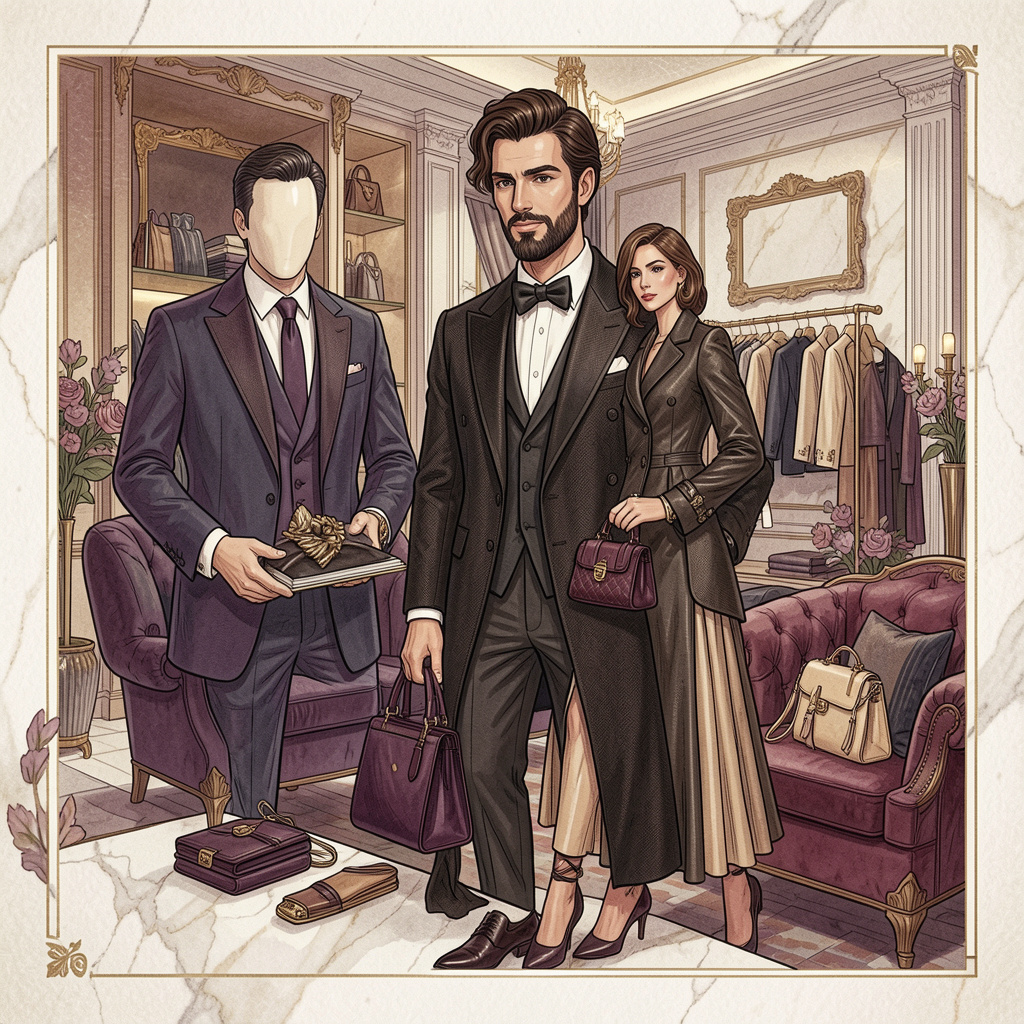
There’s a reason walking into a Bottega Veneta boutique feels fundamentally different from browsing a fast-fashion retailer — even before you’ve touched a single product. The lighting is softer. The air smells curated. A sales associate greets you by name if you’ve visited before. And somehow, before any transaction has taken place, you already feel like you belong to something elevated.
That feeling isn’t accidental. It’s architecture.
Premium fashion is as much a psychological experience as it is a commercial one. The world’s most successful luxury brands understand that customers don’t just buy clothes — they buy identity, emotion, belonging, and self-expression. For fashion business owners, boutique retailers, and apparel brands trying to move upmarket, understanding the psychology driving these experiences isn’t optional. It’s the difference between selling garments and building a brand that people would genuinely grieve losing.
Let’s unpack how the psychology of premium fashion actually works — and what that means for how you build, present, and scale your brand.
What Actually Creates a Premium Fashion Experience
Before diving into tactics, it’s worth addressing a common misconception: premium fashion experiences aren’t primarily about price. Price is a signal, not a creator, of perceived value. Brands that simply charge more without engineering the psychological cues around that price point often find customers resistant, skeptical, or worse — uninterested.
What genuinely creates a premium experience is the convergence of multiple psychological signals. These include:
- Sensory environment — how a space looks, smells, sounds, and feels
- Scarcity and exclusivity cues — limited editions, waitlists, private access
- Narrative and heritage — the story behind the brand and the craft
- Service quality — how staff communicate, anticipate, and personalize
- Visual and material presentation — packaging, product staging, photography
When these elements align, customers experience what psychologists call halo effect — the tendency to assume that one exceptional quality (a beautifully lit store, an impeccably wrapped box) signals excellence across all dimensions of a product or brand.
The Psychology of Exclusivity: Why Less Feels Like More
Scarcity is one of the most reliable levers in luxury fashion psychology. When something is harder to obtain, the human brain assigns it greater value — a cognitive bias known as the scarcity heuristic. Hermès has built an entire business model around this principle. You don’t simply walk in and buy a Birkin bag. You build a relationship with the brand, demonstrate purchase history, and eventually receive an invitation to purchase.
This isn’t just brand theater. It’s deeply rooted in how people process desire and status. The friction of acquisition becomes part of the product’s value proposition.
For emerging luxury brands, this translates into some practical thinking:
- Limit initial production runs rather than flooding the market, even if demand exists
- Use waitlists strategically — they signal demand and create social proof simultaneously
- Create tiered access — early collection previews for loyal customers, private sales, or members-only drops
- Communicate scarcity honestly — “only 40 pieces crafted this season” is powerful when it’s true
The critical mistake many brands make here is manufacturing false scarcity that customers can see through. Authenticity isn’t just an ethical position in luxury fashion — it’s a strategic one. Modern consumers are sophisticated, and the moment they feel manipulated, trust collapses.
Emotion First: How Fashion Buying Decisions Are Really Made
In most categories, we like to believe we buy rationally. In fashion — especially premium fashion — the emotional brain is almost entirely in charge.
Neuroscientist Antonio Damasio’s research famously demonstrated that people with damage to the emotional centers of the brain struggle to make decisions, even when their logical faculties remain intact. Decisions, in other words, require emotion. And in fashion, emotion isn’t a byproduct of the purchase — it’s the product.
Luxury fashion brands understand this intimately. When Chanel markets a fragrance, they’re not selling a bottle of scented liquid. They’re selling a version of yourself you want to inhabit. When a high-end menswear brand photographs its suits against the backdrop of a sun-drenched Italian piazza, the message isn’t “good fabric” — it’s “this is who you become.”
Emotional Triggers That Drive Premium Fashion Purchases
- Aspiration — the desire to embody a lifestyle or identity the brand represents
- Belonging — the wish to be recognized as part of an exclusive group
- Self-reward — high-end fashion purchases are often emotional acts of self-care
- Social signaling — the conscious or unconscious use of clothing to communicate status, taste, and values to others
For brands, the actionable insight here is that your marketing shouldn’t lead with features. It should lead with feeling. What does wearing your brand feel like? Who does the customer become? Answer those questions compellingly, and the rational justifications (quality, craftsmanship, longevity) can follow.
The Role of Presentation: Why Packaging Is Never “Just Packaging”
There’s a reason unboxing videos generate billions of views. The ritual of opening a luxury purchase is itself a sensory experience — and it profoundly shapes how customers perceive what’s inside before they’ve even seen the product.
Research in consumer psychology consistently shows that product presentation affects quality perception. In one classic study, wines served in heavier bottles were rated as higher quality — even when the wine was identical. The same principle applies to fashion. A garment presented in weighted tissue paper, nestled inside a rigid box with a silk ribbon, and accompanied by a handwritten note is experienced differently than the same garment stuffed in a poly mailer.
This matters especially in e-commerce, where the physical touchpoint between brand and customer is almost entirely mediated through packaging. For fashion brands selling online, the unboxing moment may be the only moment of sensory brand delivery. Treat it accordingly.
Practical elements worth investing in:
- Signature packaging materials that are immediately recognizable (Tiffany’s blue box, Net-a-Porter’s black box with white ribbon)
- Textural layering — tissue paper, dust bags, ribbon, cards — creates a sense of ritual
- Personalization within the package — a name card, a handwritten note, or even a tailored product recommendation creates emotional resonance
- Sustainable premium packaging — increasingly important to fashion consumers who equate environmental responsibility with brand sophistication
Store Atmosphere and the Sensory Architecture of Luxury Retail
For brands with physical retail presence, the in-store environment is arguably the most powerful psychological tool available. Luxury retail is designed to slow people down — wider aisles, lower product density, carefully chosen music tempo, and strategic lighting all contribute to a state of relaxed engagement that makes customers more receptive and more likely to spend.
The Science of Retail Atmosphere
Environmental psychology research shows that store environments directly influence:
- Time spent in-store — slower tempo music increases browsing time and average transaction value
- Product perception — warm, focused lighting on individual items increases perceived value and craftsmanship visibility
- Emotional state — ambient scent has a measurable effect on mood, and brands like Abercrombie (in its earlier luxury positioning) and high-end department stores have long used proprietary fragrances as brand signatures
For boutique fashion retailers especially, the physical environment is your most differentiated asset. An independent boutique can’t outspend a conglomerate on digital advertising, but it can create an atmosphere that no algorithm can replicate.
Personalization: The Luxury Expectation That’s Becoming the Standard
Personalization was once the exclusive domain of true luxury — bespoke tailoring, monogrammed luggage, made-to-order gowns. Today, it’s a core expectation across premium fashion at every scale.
What’s changed isn’t the desire for personalization — that’s always been part of luxury psychology — but the technology enabling it at scale. Brands that remember a customer’s size, their preferred silhouettes, and whether they prefer phone calls or emails aren’t just being efficient. They’re communicating: you matter to us specifically.
The psychological mechanism here is straightforward. Feeling individually known and valued activates reciprocity — a deeply human instinct to give back to those who give to us. Customers who feel genuinely recognized by a brand spend more, return more often, and advocate more enthusiastically.
Identity, Social Status, and the Fashion Consumer
Fashion has always been a language of social identity. What we wear communicates before we speak — signaling profession, values, tribe, and aspiration. Premium fashion amplifies this function, and luxury clothing branding is, at its core, in the business of identity construction.
This has important implications for how brands should position themselves. The question isn’t just “what do we make?” but “who does our customer become when they wear us?” The most powerful luxury brands have a coherent and aspirational answer.
It’s also worth understanding that fashion consumer behavior around status is shifting. Younger luxury consumers — particularly Millennials and Gen Z — are less interested in overt logos and more interested in insider signals: subtle details that are recognizable only to those in the know. This is often described as “stealth wealth” and it represents a significant psychological shift in how status is performed through fashion.
How Premium Experiences Build Long-Term Brand Loyalty
Customer loyalty in premium fashion is built on something deeper than satisfaction with a product. It’s built on emotional investment in a brand’s world.
Research from Harvard Business Review suggests that emotionally connected customers are more than twice as valuable as highly satisfied ones. They buy more, are less price-sensitive, and are far more likely to refer others. In luxury fashion, this emotional connection is nurtured through consistent, exceptional experiences delivered across every touchpoint — from the first Instagram impression to the fifth in-store visit.
Maintaining that consistency requires operational rigor. As brands scale, whether through additional retail locations, expanded product lines, or growing e-commerce operations — even as production decisions evolve, such as working with clothing manufacturers overseas to manage costs while preserving quality standards — the customer experience must remain seamlessly premium. Perceived value erodes the moment experience quality becomes inconsistent.
Common Mistakes Brands Make When Trying to Appear Premium
Many brands want the perception of luxury without doing the underlying work. The results are almost always counterproductive:
- Raising prices without raising experience — customers notice immediately and feel exploited
- Overloading product lines — scarcity and curation are foundational to luxury logic; too many SKUs signals mass market
- Inconsistent customer service — one dismissive interaction can undo years of brand investment
- Copying competitor aesthetics — premium customers are discerning; derivative visual identities read as exactly that
- Neglecting post-purchase touchpoints — the relationship shouldn’t end at checkout; follow-up care and communication are part of the premium experience
Future Trends in Luxury Fashion Customer Experience
The premium fashion experience is evolving rapidly. Several trends are reshaping what customers expect:
Digital-physical integration. The line between online and offline is dissolving. Brands like Burberry and Gucci have invested heavily in augmented reality try-ons, digital showrooms, and phygital retail experiences that blend the sensory richness of physical retail with digital convenience.
Community as luxury. Private client events, brand travel experiences, members-only forums — luxury brands are increasingly building communities that give customers access to each other, not just to products.
Sustainability as premium positioning. Environmental responsibility is increasingly embedded in the premium fashion narrative. Brands like Stella McCartney have made sustainability central to their luxury identity, attracting consumers for whom ethical production is inseparable from true quality.
Hyper-personalization through data. AI-driven personalization is making it possible to deliver genuinely bespoke experiences at scale — from curated product recommendations to personalized styling sessions — in ways that were previously only possible in the highest-end ateliers.
Conclusion
Premium fashion experiences don’t happen by accident. They’re the result of deliberate, psychologically informed decisions made across every dimension of a brand — from the weight of the packaging to the tone of a follow-up email, from the fragrance in a boutique to the narrative consistency of a decade of marketing.
The brands that win in luxury fashion aren’t necessarily those with the best product. They’re the ones that most compellingly answer the question at the heart of every premium purchase: Who do I become when I choose this?
For fashion business owners and brand builders, the opportunity is clear. Invest in experience as seriously as you invest in design. Build emotional resonance as deliberately as you build collections. And remember that your customer’s loyalty isn’t given — it’s earned, experience by experience, touchpoint by touchpoint, feeling by feeling.
That’s the psychology behind premium fashion. And it’s also the strategy behind the brands that endure.Share