
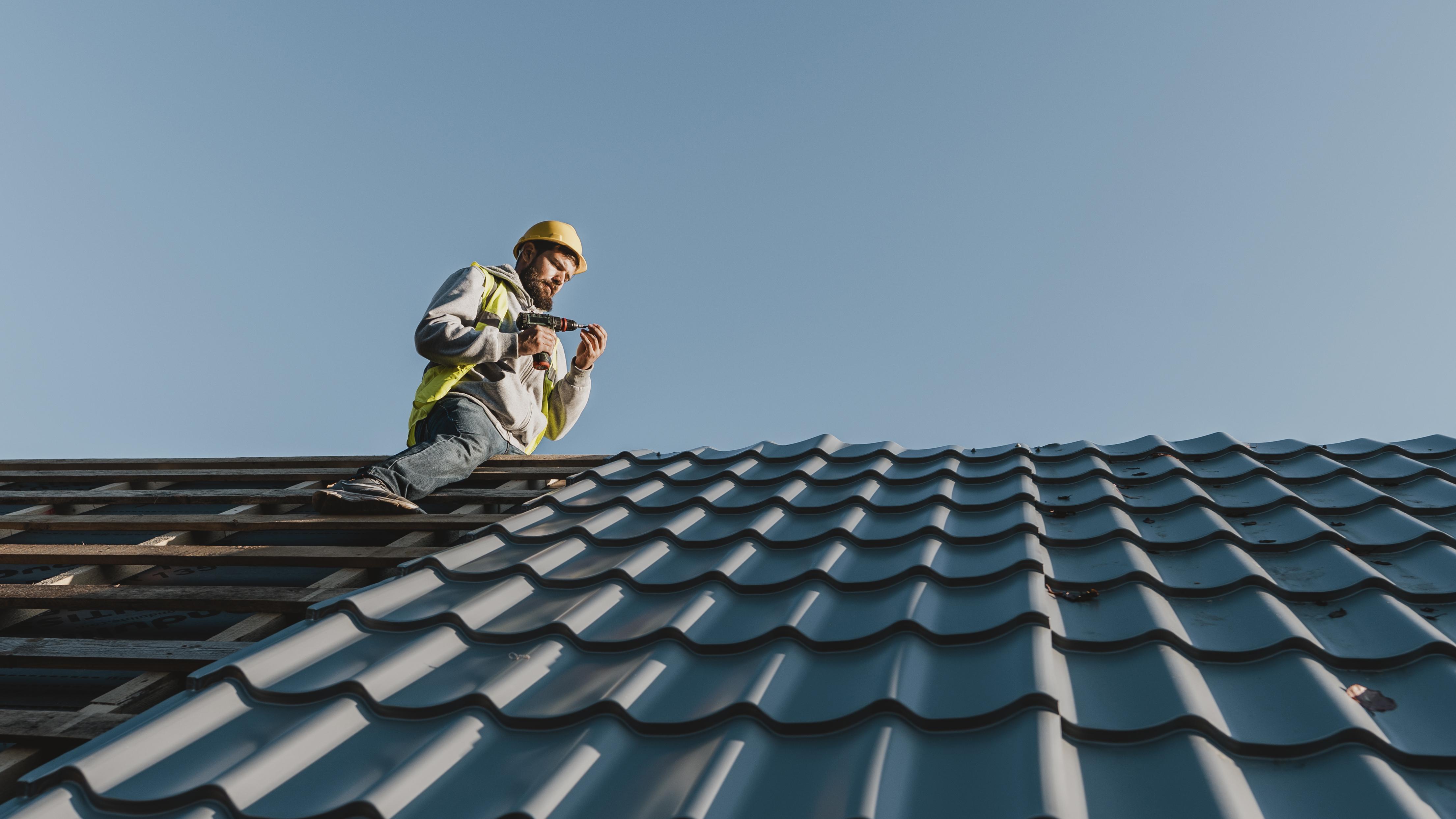
The roof of a building is far more than a simple covering; it is a complex, engineered system that serves as the primary shield for your home and family. In regions characterized by intense sunlight, high humidity, and seasonal storms, the demands placed on this structure are immense. Maintaining a roof in these conditions requires a strategic approach that prioritizes high-quality materials, proactive maintenance, and an understanding of the science behind moisture management. For any property owner, the roof represents one of the most significant investments in the building’s lifecycle, making informed decision-making essential for long-term financial and physical security.
The Role of Material Selection in Coastal Environments
Selecting the right material is the foundation of a successful roofing strategy. In coastal climates, materials are subjected to a constant cycle of thermal expansion and contraction. During the peak of the day, surface temperatures can soar, only to be rapidly cooled by afternoon rain. This “thermal shock” can cause lower-grade materials to become brittle and crack over time.
Asphalt shingles remain a popular choice due to their versatility and initial cost-effectiveness. However, modern architectural shingles are a significant upgrade over traditional 3-tab versions, offering better wind resistance and thicker profiles that can withstand the rigors of tropical weather. For those looking for even greater longevity, metal roofing has become a preferred option. Metal is highly reflective, which helps lower cooling costs by bouncing solar radiation away from the attic. Additionally, it is incredibly durable against high winds, often lasting fifty years or more with minimal maintenance. Tile roofing, whether clay or concrete, offers a classic aesthetic and excellent fire resistance, though it requires a reinforced structure to support its substantial weight.
The Importance of a Complete Roofing System
A common misconception among homeowners is that the shingles or tiles are the only parts of the roof that matter. In reality, a roof is a multi-layered system where the “hidden” components are often the most critical. Beneath the visible surface lies the underlayment, which acts as a secondary water barrier. In high-wind areas, if the primary covering is damaged during a storm, the underlayment is what prevents water from pouring into the home.
Flashing is another vital component. These are the metal transitions found around chimneys, dormers, and in the “valleys” where two roof sections meet. Because water naturally flows toward these areas, the flashing must be installed with absolute precision. A small error in how flashing is integrated with the shingles can lead to slow-moving leaks that rot the wooden roof deck before they are ever noticed inside the house. Working with a specialized Roofing Company Fort Lauderdale ensures that these technical details are handled according to local building codes, which are among the strictest in the country to account for hurricane-force winds.
Addressing the Science of Attic Ventilation
Ventilation is perhaps the most overlooked aspect of roofing health. A roof must be able to “breathe” to prevent the buildup of heat and moisture. In hot climates, an unventilated attic can reach temperatures exceeding 150°F. This trapped heat radiates downward into the living space, forcing the air conditioning system to work harder and increasing monthly utility bills. More importantly, extreme heat can bake the roofing materials from the underside, causing shingles to lose their protective granules and fail prematurely.
In addition to heat management, ventilation is essential for moisture control. Daily activities such as cooking, showering, and laundry release moisture into the air. Without proper airflow, this moist air rises into the attic and condenses on the wooden rafters and decking. Over time, this leads to mold growth and wood rot, which can compromise the structural integrity of the entire roof. A balanced system of intake vents (at the eaves) and exhaust vents (at the ridge) creates a natural flow of air that keeps the attic temperature closer to the outside air, preserving both the roof and the home’s air quality.
Identifying Signs of Wear and Damage
Property owners should not wait for a leak to appear on their ceiling to assess the health of their roof. By that point, the water has likely already damaged insulation, drywall, and potentially electrical wiring. Proactive visual inspections can reveal issues while they are still inexpensive to fix.
For shingle roofs, look for “balding” areas where the protective stone granules have washed away. These granules are designed to protect the asphalt from UV rays; without them, the shingle will quickly crack. On tile roofs, look for cracked or shifted tiles that could expose the underlayment to direct sunlight and rain. Inside the house, unexplained peeling paint near the ceiling or a sudden spike in cooling costs can indicate that the roof’s thermal envelope has been compromised. Early detection is the key to extending the life of the system and avoiding the five-figure cost of a premature full replacement.
The Financial Impact of Professional Maintenance
A well-documented, professionally maintained roof is a significant financial asset. In the real estate market, a new or high-condition roof is one of the top features that buyers look for. It provides a sense of security and often justifies a higher asking price because the buyer knows they won’t face a major capital expenditure immediately after moving in.
Furthermore, insurance companies have become increasingly focused on roof age and condition. In many regions, insurance providers may refuse to renew a policy or significantly increase premiums if a roof is over 15 years old. However, homes that have been upgraded with “wind mitigation” features, such as secondary water barriers and reinforced roof-to-wall attachments, often qualify for substantial premium credits. By partnering with a reputable Roofing Company Fort Lauderdale, homeowners can ensure their roof meets the necessary standards to maximize insurance savings and property value.
Long-Term Stewardship and Safety
Roofing is inherently dangerous work that requires specialized safety equipment and technical training. Attempting “DIY” repairs on a roof is not only a safety risk but can also void manufacturer warranties. Most high-end roofing materials come with 20 to 50-year warranties, but these are often contingent on the system being installed and repaired by licensed professionals.
Regular maintenance, such as cleaning out gutters and removing debris like branches or leaves from the roof surface, can be done by homeowners with caution, but the technical work should be left to experts. Debris left on a roof can trap moisture and promote the growth of algae or moss, which eats away at the roofing material. Keeping the surface clean and ensuring that water can flow freely off the roof and through the downspouts is the simplest way to prevent unnecessary wear.
Conclusion
The roof is the most important protective component of any building. By understanding the interaction between materials, ventilation, and professional installation, property owners can ensure their home remains safe and efficient for decades. Whether you are dealing with the aftermath of a storm or simply planning for the future, a proactive approach to roofing is the best way to protect your investment. A sturdy, well-maintained roof provides peace of mind, knowing that no matter what the weather brings, your sanctuary is secure from the top down.