
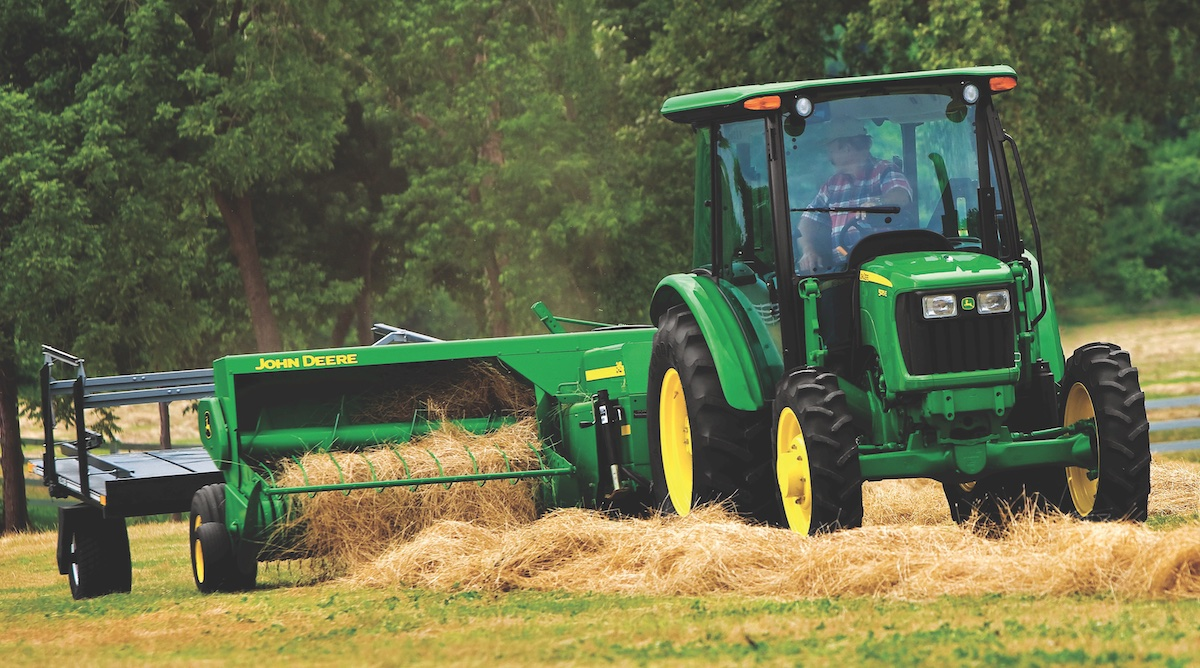
When it comes to high-quality livestock feed, choosing the right type of hay is essential for maintaining animal health, productivity, and overall farm efficiency. At Hollifield Hay, customers can find premium hay products tailored to different farming needs, including small square hay bales and large round hay bales. Each type offers unique advantages, making them suitable for various agricultural operations, from small hobby farms to large-scale ranches.
In this article, we’ll explore the differences, benefits, and applications of these hay bale types, helping you make an informed decision for your livestock feeding strategy.
Understanding Hay and Its Importance
Hay is a crucial component of livestock nutrition, consisting of dried grasses, legumes, or other forage crops. It is harvested, dried, and stored to provide animals with essential nutrients during times when fresh pasture is unavailable. Properly baled hay preserves its nutritional value and ensures easy handling and storage.
Hay bales come in various shapes and sizes, but the most common are small square bales and large round bales. These forms have evolved over time to meet the needs of farmers and improve efficiency in harvesting, storage, and feeding.
What Are Small Square Hay Bales?
Small square hay bales are traditional rectangular bales that are compact, lightweight, and easy to handle manually. Typically tied with twine, these bales are designed for convenience and versatility.
Key Features of Small Square Hay Bales
- Manageable size and weight: Usually between 25 to 100 pounds, allowing easy lifting and transport by hand
- Rectangular shape: Makes stacking efficient in barns or storage areas
- Portion control: Can be easily broken into flakes for feeding
- Ideal for small operations: Perfect for horse owners, hobby farms, and small livestock setups
Benefits of Small Square Hay Bales
One of the biggest advantages of small square hay bales is their ease of use. Farmers and animal owners who manage a limited number of animals often prefer these bales because they don’t require heavy machinery for handling. This makes them highly practical for daily feeding routines.
Additionally, these bales allow for better monitoring of feed quality. Since they can be opened and inspected easily, users can ensure their animals are consuming clean, mold-free hay.
Best Uses
- Feeding horses, goats, and sheep
- Small farms and backyard livestock
- Retail hay sales and transport
- Situations requiring manual handling
What Are Large Round Hay Bales?
Large round hay bales are cylindrical bales designed for efficiency in large-scale farming operations. These bales are produced using specialized machinery and are significantly larger and heavier than small square bales.
Key Features of Large Round Hay Bales
- High weight and density: Can weigh between 500 to over 1,000 pounds depending on size and moisture
- Cylindrical shape: Helps shed water and reduces spoilage
- Machine handling required: Typically moved using tractors and bale spears
- Efficient production: Ideal for producing large quantities of hay quickly
Benefits of Large Round Hay Bales
Large round hay bales are designed for efficiency. Their size allows farmers to store and transport large volumes of hay with fewer bales, reducing labor costs and handling time. The rounded design also offers better protection against weather, as water tends to run off rather than soak into the bale.
These bales are especially useful for feeding large herds, as they can be unrolled or placed in feeders for continuous access.
Best Uses
- Feeding cattle and large herds
- Large-scale farming and ranching operations
- Outdoor storage environments
- Mechanized feeding systems
Small Square Hay Bales vs Large Round Hay Bales
Choosing between small square hay bales and large round hay bales depends on your specific needs, resources, and farm size.
Handling and Labor
Small square hay bales are ideal for manual labor, while large round hay bales require machinery. If you lack equipment like tractors or bale handlers, small bales are the better option.
Storage Considerations
Square bales are easier to stack neatly in barns, maximizing indoor storage space. On the other hand, round bales can be stored outdoors due to their weather-resistant shape, reducing the need for covered storage.
Feeding Efficiency
For smaller animals or controlled feeding, small square hay bales provide precise portions. Large round hay bales are better suited for free-feeding systems, where animals can access hay continuously.
Cost and Efficiency
Large round hay bales are generally more cost-effective for large farms because they reduce labor and handling time. Small square hay bales may cost more per ton but offer convenience and flexibility.
Why Choose Hollifield Hay?
Hollifield Hay is dedicated to providing high-quality hay products that meet the diverse needs of farmers and livestock owners. Whether you require small square hay bales for easy handling or large round hay bales for efficient large-scale feeding, the company ensures consistent quality and reliability.
Commitment to Quality
High-quality hay is essential for animal health. Proper harvesting, drying, and storage techniques help preserve nutrients and prevent mold or spoilage.
Wide Range of Options
By offering both small square and large round hay bales, Hollifield Hay caters to a wide customer base—from individual horse owners to commercial ranchers.
Customer-Focused Service
Understanding customer needs is key. Whether you need help choosing the right bale type or determining the quantity required, Hollifield Hay provides guidance to ensure you get the best value.
Tips for Choosing the Right Hay Bales
Selecting the right hay bale type can significantly impact your farm’s productivity and efficiency. Here are some tips to help you decide:
1. Consider Your Livestock
Different animals have different feeding requirements. Horses often benefit from small square hay bales, while cattle are better suited for large round hay bales.
2. Evaluate Your Equipment
If you have access to tractors and bale handlers, large round hay bales can save time and labor. Without machinery, small square hay bales are more practical.
3. Assess Storage Space
Limited indoor storage favors small square hay bales, while large outdoor areas can accommodate round bales.
4. Think About Labor Costs
Manual handling of small bales can be labor-intensive. Large bales reduce labor but require equipment investment.
5. Check Hay Quality
Always inspect hay for color, smell, and texture. High-quality hay should be green, fresh-smelling, and free of mold or dust.
Conclusion
Both small square hay bales and large round hay bales play an essential role in modern agriculture. Each type offers unique advantages, making them suitable for different farming operations and livestock needs.
Small square hay bales provide convenience, flexibility, and ease of handling, making them ideal for smaller farms and individual animal care. In contrast, large round hay bales offer efficiency, durability, and cost-effectiveness, making them the preferred choice for large-scale operations.
By understanding the differences and benefits of each option, you can choose the right hay solution for your farm. With a trusted provider like Hollifield Hay, you can be confident in receiving high-quality hay that supports the health and productivity of your livestock.